10 Pro Tips How to Grow Hoya Carnosa
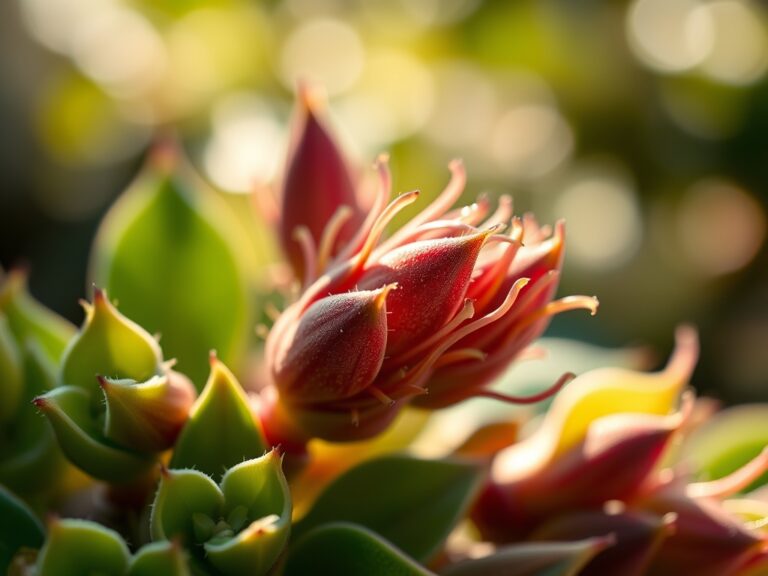
The waxy, star-shaped flowers of Hoya carnosa release fragrance at night, their nectar pooling in the corona like drops of honey. This epiphytic vine, native to the monsoon forests of eastern Asia and Australia, thrives indoors when growers replicate its natural niche: bright indirect light, coarse media with high cation exchange capacity, and strategic drought periods that trigger blooming. Learning how to grow hoya carnosa begins with understanding its physiology as an understory climber that stores water in thick leaves and relies on symbiotic root fungi for nutrient uptake.
Materials
Select a substrate with pH 6.0 to 7.0 and an aeration-to-moisture ratio of approximately 40:60. Combine two parts orchid bark (medium grade), one part perlite, and one part coco coir. Add one tablespoon of worm castings per quart of mix to establish baseline nitrogen. For containerized plants, apply a diluted liquid fertilizer at 2-2-2 (half-strength) every two weeks during active growth from April through September. Organic alternatives include a 4-4-4 feather or kelp meal top-dressed at one tablespoon per six-inch pot, replenished every eight weeks.
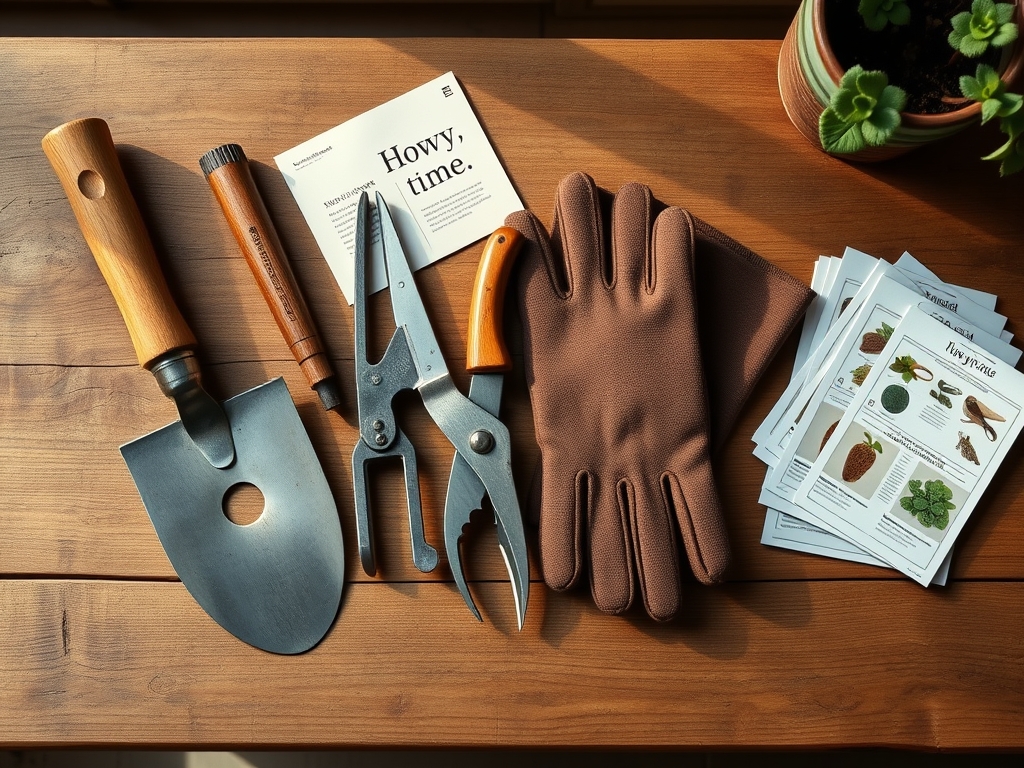
Terra cotta pots with drainage holes 0.5 inches in diameter prevent waterlogging. Use containers only one inch wider than the root ball. Hoya carnosa prefers mild root restriction to promote flowering. Install a bamboo trellis or moss pole coated with sphagnum to encourage aerial root attachment. Incorporate mycorrhizal fungi granules (Glomus intraradices or Rhizophagus irregularis) at 0.25 teaspoon per gallon of substrate during potting to enhance phosphorus availability and drought tolerance.
Timing
Hoya carnosa tolerates USDA Hardiness Zones 10b to 12 outdoors year-round. In Zones 9 and lower, grow as a houseplant or move containers indoors when nighttime temperatures approach 50 degrees Fahrenheit. Frost kills exposed foliage within hours. Cuttings root fastest when ambient temperature remains between 70 and 80 degrees Fahrenheit, typically from late April through early August.
Blooming occurs on photoperiods longer than twelve hours and after the plant experiences four to six weeks of reduced watering. Initiate the dry-down phase in late winter (February through March) when daylight extends but heating systems still reduce indoor humidity. Resume normal irrigation when peduncles (flower stalks) emerge, usually within six to ten weeks.
Phases
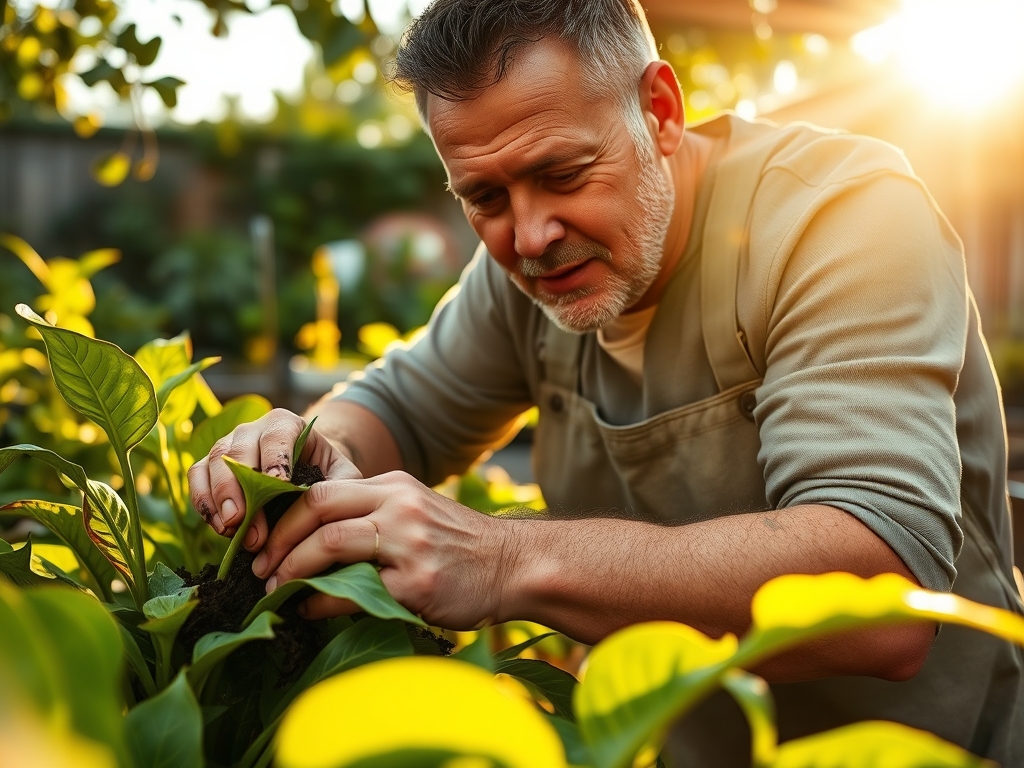
Propagation: Select stem cuttings with at least two nodes and one set of mature leaves. Sever the stem 0.25 inches below a node using a sterile blade at a 45-degree angle to maximize cambium exposure. Dip the cut end in rooting hormone powder containing 0.3 percent indole-3-butyric acid (IBA). Insert cuttings one inch deep into moist perlite or sphagnum moss. Enclose the container in a clear plastic bag to maintain 80 percent relative humidity. Roots develop in three to five weeks at 75 degrees Fahrenheit.
Pro-Tip: Wound the basal node lightly with a razor before applying hormone. A 2-millimeter scrape stimulates auxin distribution and accelerates callus formation by 30 percent.
Transplanting: Move rooted cuttings to the prepared substrate when roots reach 1.5 inches in length. Handle roots minimally to avoid breaking fragile root hairs. Bury the stem to the first leaf node to stabilize the cutting. Water with 0.5 cups of diluted seaweed extract (1 teaspoon per quart of water) to reduce transplant shock.
Pro-Tip: Position the plant so the vine grows upward. Gravitropic bending places mechanical stress on stems, encouraging thicker petioles and tighter internodal spacing.
Establishing: Provide 400 to 800 foot-candles of light, equivalent to a position three feet from an east-facing window or under a full-spectrum LED grow light (6500K color temperature) for twelve hours daily. Maintain daytime temperatures between 70 and 80 degrees Fahrenheit and nighttime lows of 60 to 65 degrees Fahrenheit. Mist foliage weekly to rinse dust from stomatal pores, but avoid wetting flowers.
Pro-Tip: Never remove spent peduncles. Hoya carnosa reblooms on the same spur for up to five years. Cutting the stalk eliminates future flowering sites.
Troubleshooting
Symptom: Yellow leaves with green veins. Solution: Interveinal chlorosis indicates iron deficiency exacerbated by alkaline substrate. Drench soil with chelated iron (Fe-EDTA) at 1 teaspoon per gallon. Adjust future watering with rainwater or distilled water to lower pH.
Symptom: Black, mushy roots. Solution: Root rot from Pythium or Phytophthora requires immediate repotting. Trim affected roots with sterile shears. Soak remaining roots in a hydrogen peroxide solution (one part 3 percent peroxide to four parts water) for ten minutes. Replant in fresh, dry substrate. Withhold water for one week.
Symptom: Sticky residue on leaves. Solution: Honeydew excretion from mealybugs (Pseudococcidae family). Dab insects with a cotton swab soaked in 70 percent isopropyl alcohol. Spray foliage with insecticidal soap (potassium salts of fatty acids at 1 percent concentration) weekly for three weeks.
Symptom: Leaf drop without yellowing. Solution: Ethylene gas exposure from ripening fruit or gas appliances causes abscission. Relocate plant away from the source. Recovery occurs in two to three weeks.
Maintenance
Water when the top two inches of substrate feel dry to the touch. Apply 0.5 cups per six-inch pot until moisture seeps from drainage holes. In summer, this translates to watering every seven to ten days. In winter, extend the interval to fourteen to twenty-one days. Hoya carnosa tolerates slight dehydration better than saturation.
Prune only to remove damaged foliage or to control size. Cut stems just above a node at a 45-degree angle. Sterilize blades between cuts with a flame or 10 percent bleach solution to prevent viral transmission. Fertilize from April through September only. Excess nitrogen produces foliage at the expense of flower buds.
FAQ
How long until Hoya carnosa blooms?
Plants grown from cuttings require two to three years to reach maturity. Seedlings take four to five years. Blooming depends on light intensity, root-bound conditions, and seasonal drought cycles.
Can I grow Hoya carnosa in water permanently?
No. Semi-hydroponic systems work short-term, but the plant requires oxygen at the root zone. Root rot develops within eight to twelve weeks in stagnant water.
Why do flowers drop prematurely?
Movement during blooming disrupts pollinator attraction mechanisms. Avoid rotating the pot once buds form. Sudden temperature swings below 55 degrees Fahrenheit also abort flowers.
Is Hoya carnosa toxic to pets?
The plant is non-toxic according to the ASPCA. Sap may cause mild skin irritation in sensitive individuals due to latex proteins.
How often should I repot?
Every three to four years or when roots circle the pot perimeter twice. Repot in early spring before new growth begins. Use the same substrate formula to avoid acclimation stress.