5 Easy Ways How to Care for Nest Ferns
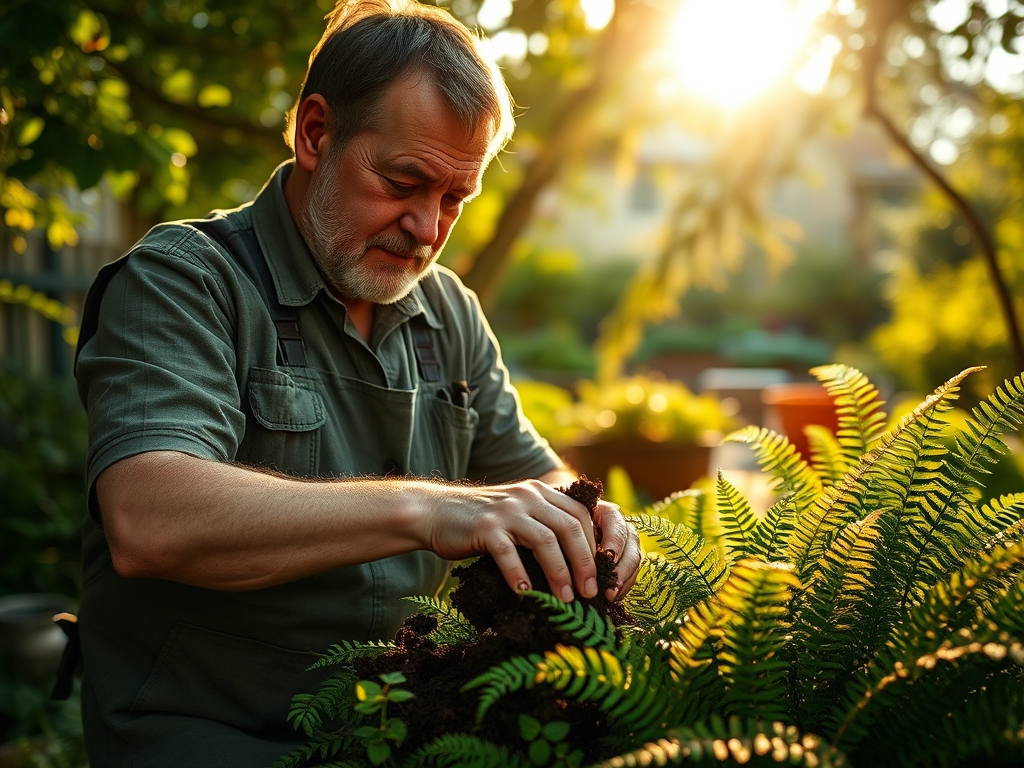
Crushing a handful of well-rotted leaf mold releases a sharp, geosmin-rich scent that signals a healthy rhizosphere. For the Asplenium nidus, a healthy leaf displays high turgor pressure; it is rigid, glossy, and resists bending. Understanding how to care for nest ferns requires a shift from standard terrestrial gardening to an epiphytic mindset. These plants do not sit in soil so much as they anchor to organic debris. Proper care ensures the central rosette remains a functional catchment for nutrients and hydration.
Materials:
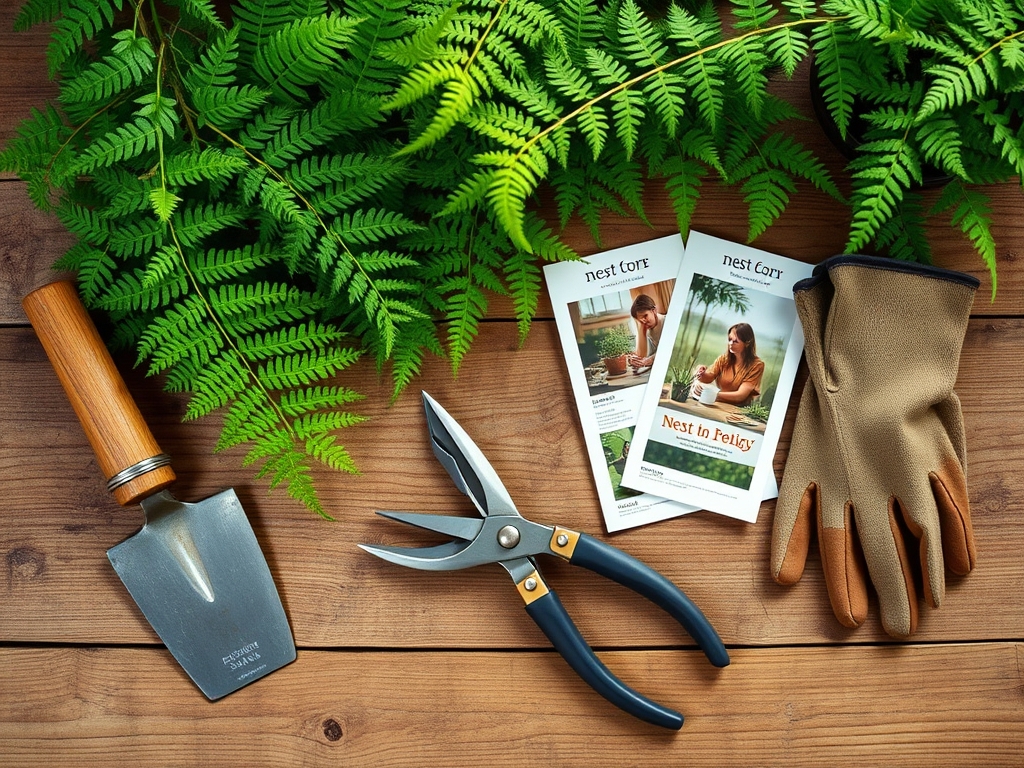
The substrate must be a friable loam with high porosity to prevent root anoxia. Aim for a pH range between 5.0 and 5.5. Nest ferns are acidophiles that thrive when the Cation Exchange Capacity (CEC) of the medium allows for steady nutrient availability without salt buildup.
- Substrate Composition: Mix two parts orchid bark, one part coarse perlite, and one part sphagnum peat moss. This simulates the detritus found in tree crotches.
- Fertilizer: Use a water-soluble macro-nutrient blend with an NPK ratio of 20-10-20. The higher nitrogen content supports frond expansion, while the potassium regulates stomatal conductance.
- Water Quality: Use rainwater or distilled water. These ferns are sensitive to fluoride and chlorine, which cause marginal necrosis on the fronds.
Timing:
Nest ferns are primarily suited for USDA Hardiness Zones 10 through 11. In these regions, they can remain outdoors year-round. In cooler zones, they must be transitioned indoors when ambient temperatures drop below 55 degrees Fahrenheit.
The biological clock of the nest fern is governed by the photoperiod and humidity levels. The vegetative stage is most active during the long days of spring and summer. Growth slows significantly during the winter dormancy period. Avoid heavy fertilization during this phase; the plant's metabolic rate cannot process high nutrient loads when light levels are low. Reproductive stages are marked by the appearance of linear sori on the undersides of mature fronds. This is a natural progression of senescence for individual leaves and does not indicate a health crisis.
Phases:
Sowing and Spore Propagation
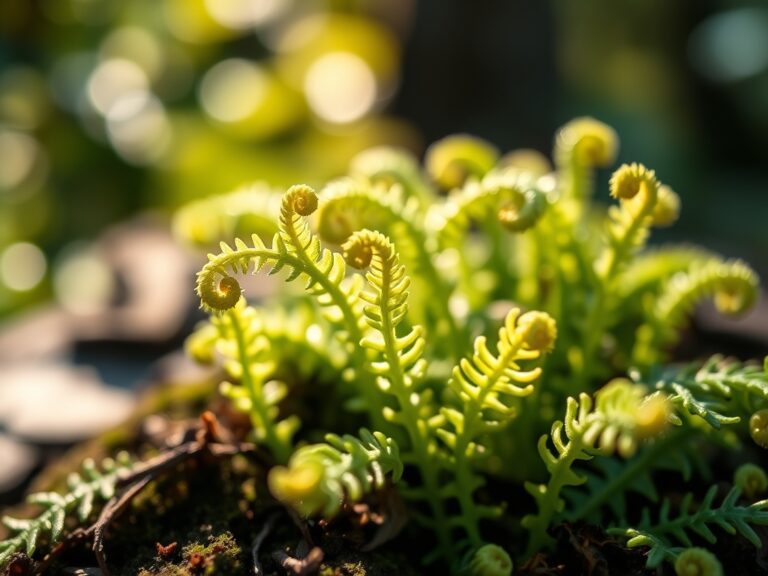
Propagation from spores requires a sterile, moist environment. Scrape the brown sori into a glassine envelope. Spread them over a bed of sterilized peat moss. Cover with a plastic dome to maintain 100 percent humidity.
Pro-Tip: Maintain a constant temperature of 70 to 80 degrees Fahrenheit. This heat triggers the germination of the prothallus, the gametophyte stage of the fern. This is a biological necessity because liquid water must be present for the sperm to swim to the egg for fertilization.
Transplanting
When the fern outgrows its container, typically every 24 to 36 months, move it to a pot only one size larger. Nest ferns prefer to be slightly pot-bound. Use a hori-hori knife to gently loosen the root ball if it has become compacted.
Pro-Tip: Do not bury the central "nest" or crown. This area is a specialized structure designed to collect water and organic matter. Deep planting leads to crown rot because the lack of airflow encourages fungal pathogens to colonize the meristematic tissue.
Establishing
During the first six weeks after transplanting, focus on stabilizing the microclimate. Keep the plant in a location with filtered light (1,000 to 1,500 foot-candles). Avoid direct solar radiation, which causes photo-oxidation and bleaches the chlorophyll.
Pro-Tip: Use a soil moisture meter to ensure the core of the root ball stays at a "4" or "5" on a 10-point scale. This consistency prevents hydraulic failure in the xylem, ensuring the plant can maintain the internal pressure required for upright growth.
The Clinic:
Physiological disorders in Asplenium are often related to environmental stressors rather than pathogens.
- Symptom: Nitrogen Chlorosis. The oldest fronds turn a uniform pale yellow.
- Solution: Apply a half-strength 20-10-20 fertilizer directly to the substrate. Nitrogen is a mobile nutrient; the plant pulls it from old growth to support new meristematic development.
- Symptom: Tip Burn. The distal ends of the fronds turn brown and brittle.
- Solution: This is typically caused by low humidity or high salt accumulation. Flush the substrate with three volumes of fresh water to leach out excess minerals. Aim for an ambient humidity of 60 to 80 percent.
- Symptom: Soft Brown Spots. Circular, mushy lesions on the foliage.
- Solution: This indicates a bacterial or fungal infection, often Pseudomonas. Increase air circulation and avoid overhead watering. Remove infected tissue with sterilized bypass pruners.
Maintenance:
Precision is the hallmark of professional maintenance. Nest ferns require approximately 1.5 inches of water per week, delivered directly to the substrate and the outer edges of the crown. Never pour water directly into the center of the nest during low-light conditions, as standing water can induce rot.
Use bypass pruners to remove spent, brown fronds at the base. This redirects the plant's energy from maintaining dying tissue to producing new croziers. Every three months, wipe the fronds with a damp cloth. This removes dust that can block the stomata and reduce photosynthetic efficiency. If the plant becomes top-heavy, use a heavy ceramic pot to prevent the center of gravity from shifting and causing the plant to tip.
The Yield:
While nest ferns are primarily ornamental, their "yield" is measured in the production of healthy, spore-bearing fronds. If you are harvesting spores for propagation, wait until the sori are dark brown and slightly fuzzy. Place a mature frond on a piece of white paper for 24 hours. The spores will drop, leaving a "print" of the sori pattern. These spores should be used immediately or stored in a cool, dry environment to maintain viability.
FAQ:
How much light does a nest fern need?
Nest ferns require bright, indirect light. Aim for 1,000 to 1,500 foot-candles. Avoid direct midday sun, which causes leaf scorch and destroys chlorophyll. North or east-facing windows provide the most consistent light levels for these epiphytes.
Why are the leaves on my fern turning yellow?
Yellowing is often a sign of nitrogen deficiency or overwatering. If the lower leaves yellow first, it is likely a nutrient issue. If the entire plant looks wilted and yellow, check for root rot caused by poor drainage.
How often should I fertilize my nest fern?
Apply a balanced, water-soluble fertilizer at half-strength every four to six weeks during the spring and summer. Cease fertilization during the winter months when the plant's metabolic rate slows and it enters a semi-dormant state.
Can I grow a nest fern in regular potting soil?
Standard potting soil is too dense and retains too much moisture. This leads to root suffocation. Use a porous, bark-based mix with a pH of 5.0 to 5.5 to ensure proper aeration and drainage for the roots.