6 Best Scree Mix for Alpines
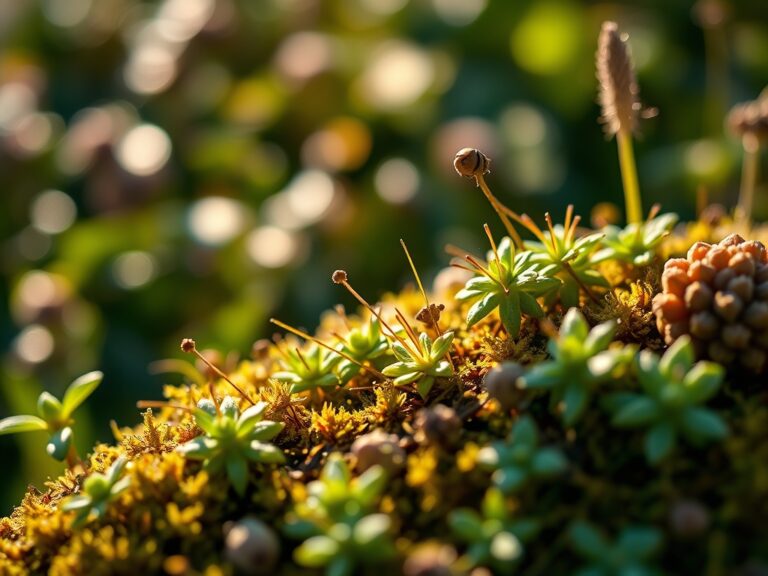
Crushed granite grit rasping against a steel trowel signals the start of a proper alpine installation. The scent of damp basalt and the cold, mineral-rich air of a high-altitude simulation define the workspace. To maintain the turgor pressure required for high-elevation flora, the substrate must mimic the harsh, fast-draining slopes of the Himalayas or the Andes. Achieving the best scree mix for alpines requires a radical departure from standard garden loam. You are engineering a medium where water moves via gravity at a rate of several inches per minute; stagnation leads to immediate root senescence. These plants are evolved for lean, inorganic environments where the Cation Exchange Capacity (CEC) is low but mineral availability is constant. A successful mix balances structural integrity with microscopic pockets of air, ensuring the rhizosphere remains oxygenated even during torrential spring thaws. Failure to calibrate this ratio results in crown rot within forty-eight hours of a rain event. We focus on the physical geometry of the aggregate and the chemical stability of the fines to ensure these high-altitude specialists thrive in lowland conditions.
Materials:
The chemical profile of your scree must align with the lithology of the plant's native range. Most alpines require a pH range of 5.5 to 7.2, though calciphiles like Saxifraga demand a limestone-heavy base. The physical texture should be a friable loam mixed with sharp aggregates.
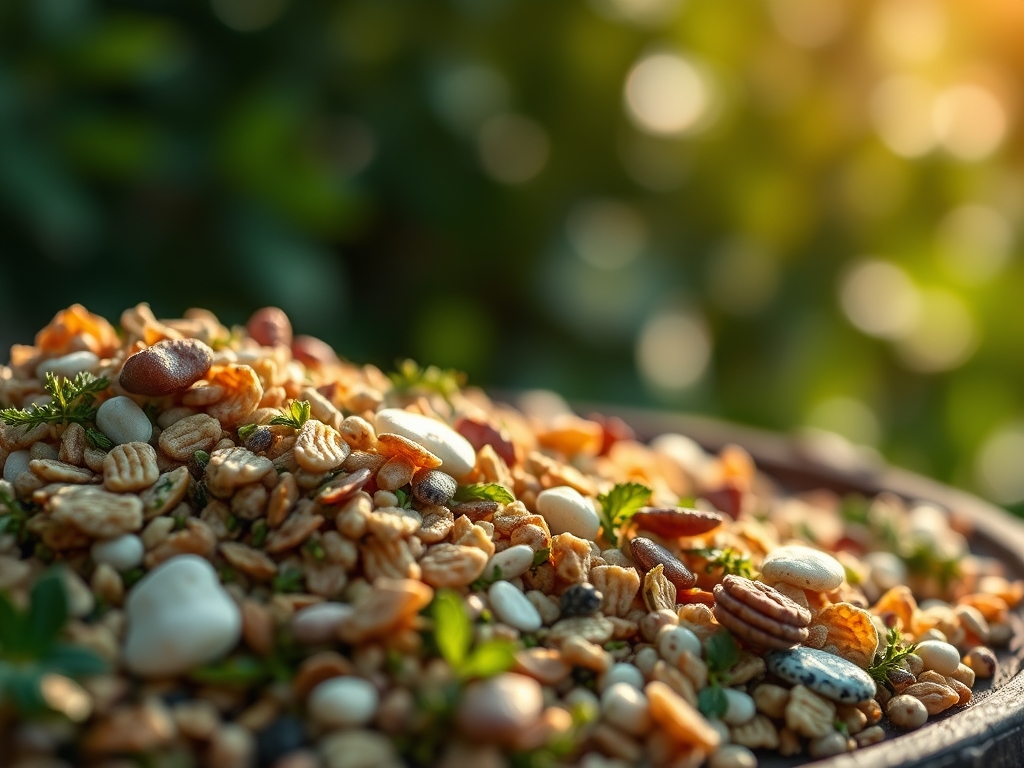
- Inert Sharp Grit: Use 4mm to 6mm crushed granite or flint. This provides the structural skeleton.
- Horticultural Pumice or Perlite: These porous volcanic rocks increase aeration and provide internal water storage without waterlogging.
- Loam Base: A sterilized, low-organic-matter soil. It should have a baseline NPK ratio of 5-10-10. High nitrogen levels are avoided to prevent "soft" growth that cannot survive winter desiccation.
- Leaf Mold: Well-rotted beech or oak leaf mold provides the minimal organic carbon needed for microbial activity.
- Limestone Chippings: Necessary for specific genera to maintain a pH of 7.5 or higher.
- River Sand: Coarse, washed sand to fill the interstitial spaces between larger grits.
Timing:
Successful alpine establishment is dictated by the Hardiness Zone and the specific Biological Clock of the species. Most alpines thrive in Zones 3 through 7. Planting must occur during the dormant or early vegetative phase, typically six weeks before the first autumn frost or immediately after the spring thaw.
The transition from vegetative to reproductive stages is triggered by the photoperiod and a required period of vernalization (cold treatment). If you plant too late in the spring, the rising soil temperatures will stress the root system before it can anchor. Aim for soil temperatures between 45 and 55 degrees Fahrenheit for optimal root initiation. Monitoring the "Biological Clock" ensures the plant has sufficient carbohydrate reserves to survive the transition into winter dormancy.
Phases:

Sowing
Alpines often require stratification to break seed dormancy. Sow seeds in a mix of 70 percent grit and 30 percent loam. Cover with a thin layer of 3mm chicken grit to prevent moss growth and stabilize the seeds.
Pro-Tip: Utilize cold stratification to mimic mountain winters. This process triggers the breakdown of abscisic acid, a growth inhibitor, allowing gibberellins to initiate germination once temperatures rise.
Transplanting
When moving seedlings to the scree bed, ensure the root ball is not compacted. Dig a hole twice the width of the root system using a hori-hori knife. Position the plant so the crown sits slightly above the soil line, then mulch with 1 inch of pure grit.
Pro-Tip: Inoculate the planting hole with mycorrhizal fungi. This symbiotic relationship increases the surface area of the root system, enhancing phosphorus uptake in nutrient-poor scree environments.
Establishing
During the first growing season, maintain consistent moisture without saturation. The goal is to encourage deep taproot penetration. Use a soil moisture meter to ensure the top 2 inches are dry while the lower 6 inches remain slightly damp.
Pro-Tip: Avoid high-nitrogen fertilizers to prevent auxin suppression. Excessive nitrogen can lead to elongated, weak stems that lack the cellular density required to withstand high winds or heavy snow loads.
The Clinic:
Physiological disorders in alpines are usually a result of "metabolic luxury" or poor drainage.
- Symptom: Yellowing of lower leaves (Chlorosis).
- Solution: This often indicates Nitrogen deficiency or high pH blocking iron uptake. If the pH is correct, apply a low-dose, slow-release 5-10-10 fertilizer.
- Symptom: Soft, mushy crown or blackened leaf bases.
- Solution: This is Crown Rot caused by excess moisture. Remove the affected tissue with sterilized bypass pruners and replace the top layer of soil with pure 6mm granite grit.
- Symptom: Stretched, pale growth (Etiolation).
- Solution: The plant is receiving insufficient light. Alpines require high UV exposure. Relocate to a south-facing aspect with at least 8 hours of direct sun.
- Fix-It: For Magnesium deficiency (interveinal chlorosis), apply a solution of Epsom salts (1 tablespoon per gallon of water) to restore chlorophyll production.
Maintenance:
Precision is the hallmark of alpine care. Provide 1.5 inches of water per week during the active growing season, delivered at the drip line to avoid wetting the foliage. Use a soil moisture meter every three days during heatwaves.
Weeding must be done manually with a hori-hori knife to ensure the entire taproot of the weed is removed without disrupting the delicate alpine root structures. In late autumn, clear any fallen deciduous leaves immediately. If left to rot, they create a nitrogen-rich "mat" that can suffocate the alpine crown and invite fungal pathogens. Check the structural integrity of the scree annually; heavy rains may wash away the fine particles, requiring a "top-dress" of fresh grit and loam mix.
The Yield:
While most alpines are grown for their architectural form, flowering species like Gentiana or Primula require specific deadheading to prolong the bloom cycle. Use bypass pruners to snip spent flower stalks at the base. This prevents the plant from diverting energy into seed production, allowing it to focus on rhizome expansion and carbohydrate storage in the roots. For "day-one" freshness in rock garden displays, ensure the plant is fully turgid before the heat of the day by watering at 5:00 AM. This maximizes the hydraulic pressure within the cell walls, keeping the flowers upright and resilient against wind.
FAQ:
What is the best ratio for a general scree mix?
A standard ratio is 1 part loam, 1 part leaf mold, and 2 to 3 parts sharp grit. This ensures the 70 to 80 percent mineral content required for rapid drainage and low nutrient availability.
Can I use builders sand in my alpine mix?
No. Builders sand is too fine and contains rounded grains that pack together, destroying pore space. Always use sharp, horticultural-grade grit or crushed stone to maintain aeration and structural drainage.
How do I know if my scree is draining fast enough?
Pour a gallon of water onto the surface. It should disappear within 15 to 30 seconds. If water puddles for more than a minute, the mix contains too many fines and requires more coarse aggregate.
Why are my alpine plants dying in the winter?
Winter death is usually caused by excessive moisture at the crown, not cold. Ensure the plant is mulched with at least one inch of pure grit to keep the foliage dry and away from damp soil.