6 Simple Steps to Find Pet Friendly Houseplants
The smell of damp peat and the crisp snap of a leaf with high turgor pressure define a healthy indoor ecosystem. For the serious horticulturalist, the primary challenge is balancing botanical diversity with the safety of domestic animals. Navigating the steps to find pet friendly houseplants requires more than a casual glance at a nursery tag. It demands a rigorous analysis of plant chemistry and taxonomic classification. You must identify species that lack insoluble calcium oxalate crystals or toxic alkaloids. Success begins with understanding the rhizosphere and the specific physiological needs of non toxic specimens. By focusing on the structural integrity of the plant and the chemical composition of its sap, you can cultivate a collection that thrives without endangering your pets. This guide provides the technical framework for selecting, establishing, and maintaining a safe indoor canopy.
Materials:
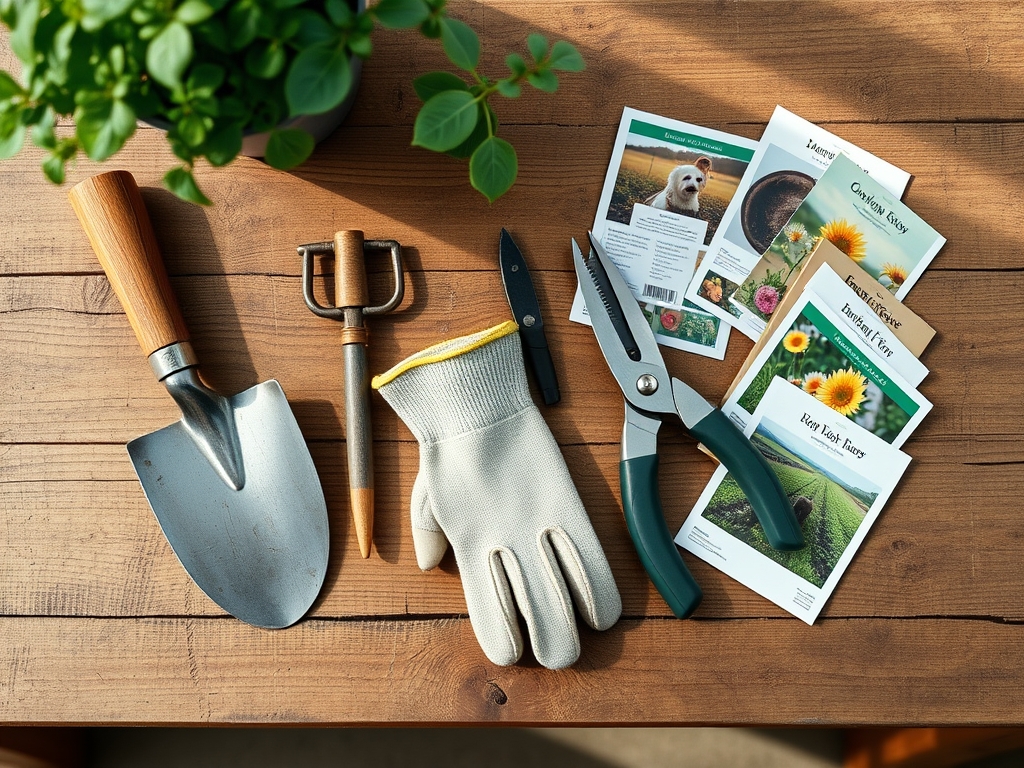
The foundation of a pet friendly indoor garden is a **friable loam** substrate with a **Cation Exchange Capacity (CEC)** high enough to retain essential nutrients without salt buildup. Most non toxic tropicals, such as the *Chlorophytum comosum*, prefer a **soil pH between 6.0 and 7.0**.
For vegetative growth, utilize a water soluble fertilizer with an NPK ratio of 10-10-10 or a specialized 3-1-2 ratio for foliage heavy species. The substrate must consist of 40 percent peat moss or coconut coir, 30 percent perlite for aeration, and 30 percent sterilized topsoil. This composition ensures oxygen reaches the root zone while maintaining sufficient moisture. Avoid blends containing systemic pesticides or high concentrations of uncomposted manure, which can cause ammonia toxicity in confined indoor spaces.
Timing:
While indoor environments are climate controlled, plants still respond to external photoperiods and seasonal shifts. In Hardiness Zones 3 through 7, the transition from winter dormancy to the spring vegetative stage typically occurs when daylight exceeds 12 hours per day.
The biological clock of a houseplant is governed by phytochrome receptors. During the spring equinox, increase irrigation frequency as the plant exits senescence and enters a period of rapid cell division. If you are transitioning plants from an outdoor nursery to your home, do so when outdoor temperatures are between 65 and 75 degrees Fahrenheit to minimize transplant shock and maintain cellular turgor.
Phases:
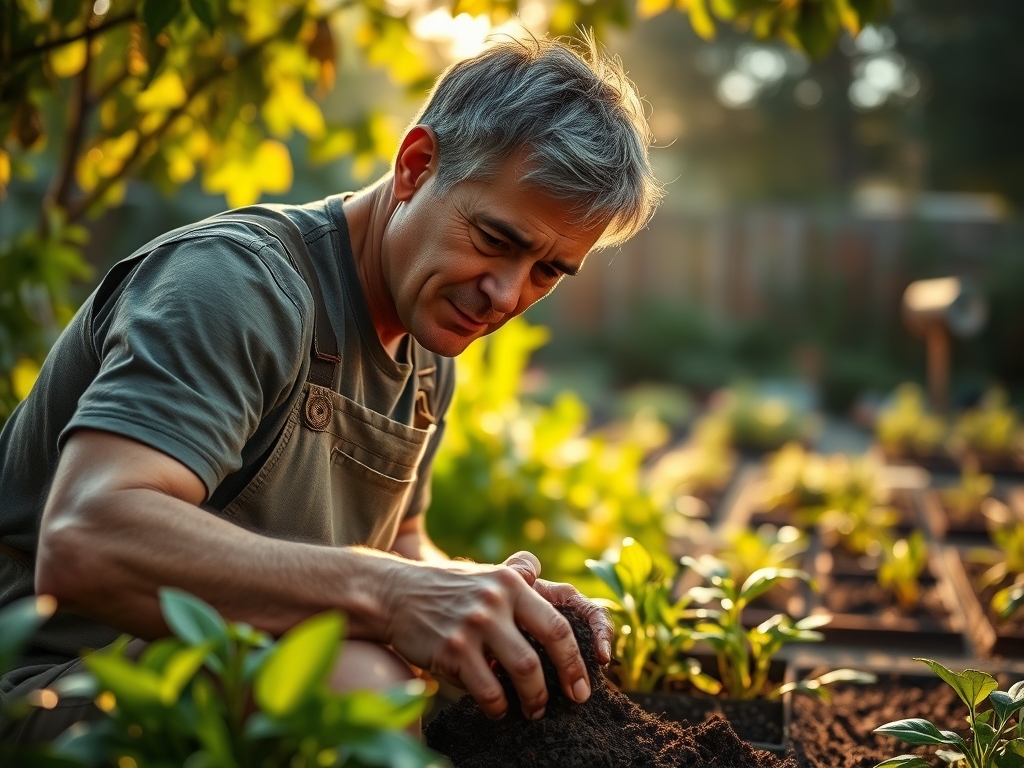
Sowing and Propagation
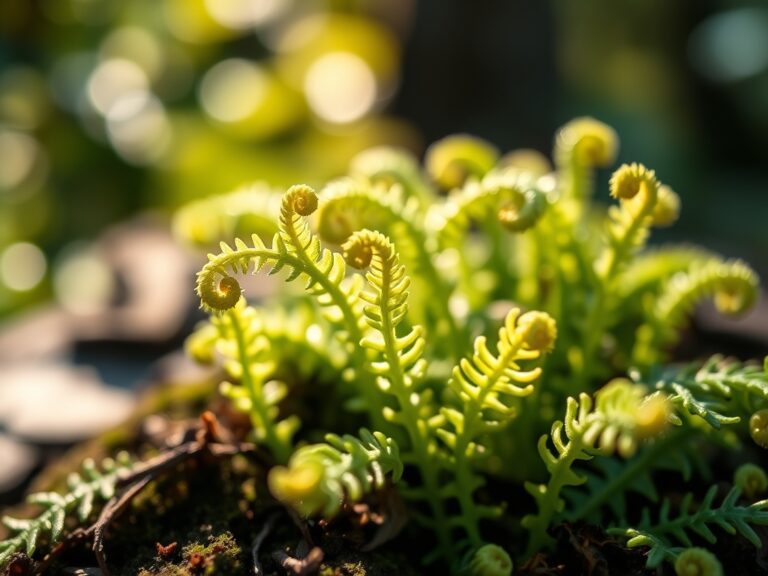
For pet friendly options like the Nephrolepis exaltata (Boston Fern), propagation via runners or spores is more effective than seeds. Ensure the propagation medium stays at a constant 72 degrees Fahrenheit. Use a sterilized hori-hori knife to divide rhizomes, ensuring each section has at least two healthy fronds.
Pro-Tip: Maintain high humidity around new divisions to prevent excessive transpiration. This supports adventitious root development, which is the plant's biological response to physical separation from the parent organism.
Transplanting
When moving a plant to a permanent vessel, select a pot only 2 inches wider than the current root ball. Inspect the roots for a healthy white or tan color. Prune any necrotic, black tissue using bypass pruners sterilized with 70 percent isopropyl alcohol. Place the plant at the same depth it sat in its previous container to avoid stem rot.
Pro-Tip: Do not pack the soil too tightly. Maintaining macropores in the soil structure is essential for mycorrhizal symbiosis, where beneficial fungi assist the roots in phosphorus uptake.
Establishing
The first 30 days post transplant are critical for establishing a robust root system. Monitor the plant for signs of phototropism, where the stem leans toward the light source. Rotate the pot 90 degrees weekly to ensure even distribution of auxins, the hormones responsible for cell elongation.
Pro-Tip: Avoid fertilizing for the first four weeks after transplanting. This forces the root system to expand into the new substrate in search of nutrients, strengthening the overall architecture of the plant.
The Clinic:
Physiological disorders often mimic pest damage but are usually rooted in environmental stress or nutrient imbalances.
- Symptom: Interveinal Chlorosis. The leaf veins remain green while the tissue between them turns yellow.
- Solution: This indicates a Magnesium deficiency. Apply a solution of 1 tablespoon of Epsom salts per gallon of water to restore chlorophyll production.
- Symptom: Leaf Tip Burn. Brown, crispy edges on the tips of spider plants or ferns.
- Solution: This is often caused by fluoride or chlorine toxicity in tap water. Switch to distilled water or let tap water sit for 24 hours to allow gases to dissipate.
- Symptom: Epinasty. Downward curling or twisting of leaves.
- Solution: This is frequently a result of overwatering, which leads to anaerobic conditions in the rhizosphere. Increase drainage and reduce irrigation frequency.
Fix-It for Nitrogen Chlorosis: If older leaves turn a uniform pale yellow, the plant is likely suffering from Nitrogen deficiency. Apply a high Nitrogen fertilizer (e.g., NPK 20-10-10) at half strength to rapidly increase vegetative vigor.
Maintenance:
Precision is the difference between a surviving plant and a thriving one. Use a soil moisture meter to ensure you only irrigate when the top 2 inches of soil are dry. For most pet friendly tropicals, provide approximately 1 cup of water per gallon of soil volume per week.
Prune dead or senescing foliage immediately using bypass pruners to prevent the spread of fungal pathogens. Dust the leaves monthly with a damp cloth; accumulated particulate matter can reduce the rate of photosynthesis by up to 30 percent. Monitor the ambient humidity; most pet friendly ferns and palms require a relative humidity of 50 to 60 percent to prevent desiccation of the leaf margins.
The Yield:
While most pet friendly houseplants are grown for aesthetic value, some, like the Chlorophytum, produce "plantlets" that can be harvested for expansion. Harvest these when the plantlet has developed at least three distinct root nodules approximately 0.5 inches long. Use a sharp blade to sever the stolon. To maintain day one freshness and ensure successful establishment, immediately place the roots in a glass of dechlorinated water for 48 hours before transitioning to a solid substrate. This hydration period ensures the vascular system is fully charged before the plant must extract moisture from soil.
FAQ:
How do I identify a pet friendly plant at a nursery?
Cross reference the scientific name with the ASPCA toxic plant database. Look for species like Calathea, Nephrolepis, or Beaucarnea recurvata. Avoid any plants in the Araceae family if you have cats or dogs that chew foliage.
What is the best light for pet friendly palms?
Most pet friendly palms, such as the Chamaedorea elegans, thrive in 150 to 250 foot-candles of light. This equates to bright, indirect sunlight. Direct southern exposure can cause leaf scorch and permanent cellular damage to the fronds.
Can I use coffee grounds as fertilizer for these plants?
No. Coffee grounds are highly acidic and can drop the soil pH below 5.0, which inhibits nutrient uptake. They also retain too much moisture, increasing the risk of Pythium root rot in an indoor environment.
Why are the leaves on my ponytail palm turning yellow?
Yellowing is typically a sign of overwatering or poor drainage. The Beaucarnea recurvata stores water in its bulbous base. It requires a well draining cactus mix and should only be watered once every three to four weeks.