7 Best Peperomia Obtusifolia Tips
The waxy leaves of Peperomia obtusifolia fold gently under your thumb, thick enough to store water for weeks but delicate enough to bruise under rough handling. This semi-succulent native to Central and South American rainforests has adapted to dappled light and sporadic moisture, making it one of the most forgiving houseplants for beginners. The best peperomia obtusifolia tips center on mimicking its understory habitat: indirect light, well-aerated substrate, and restrained watering that respects its fleshy root system.
Materials
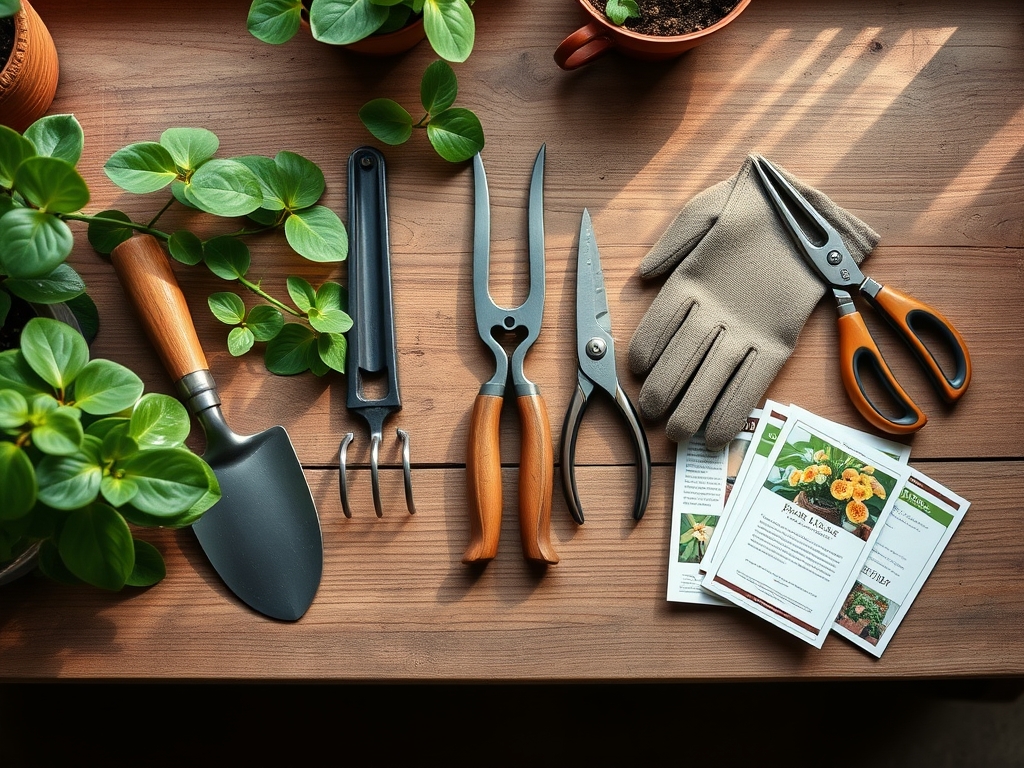
Select a potting medium with pH 6.0-6.5 and high cation exchange capacity. A base of peat moss or coco coir (50%) blended with perlite (30%) and orchid bark (20%) provides adequate drainage while retaining trace moisture. Avoid dense potting soil formulated for annuals.
For fertilization, apply a 4-4-4 organic slow-release blend or a liquid 3-1-2 formulation diluted to one-quarter strength. Peperomia obtusifolia exhibits minimal nutrient demands due to its slow growth rate, typically adding only 3-4 inches per year under optimal conditions. Excess nitrogen drives etiolated growth and weakens stem integrity.
Incorporate mycorrhizal fungi inoculant at planting. These symbiotic associations colonize the cortical cells of peperomia roots and extend phosphorus uptake by up to 300%, particularly beneficial in peat-based mixes where phosphorus availability declines over time.
Choose terracotta or unglazed ceramic containers with drainage holes. These materials wick excess moisture from the root zone and prevent anaerobic conditions that favor Pythium and Phytophthora root rot.
Timing
Peperomia obtusifolia thrives year-round indoors in USDA Hardiness Zones 10-12 but remains strictly a container specimen in cooler climates. Outdoor acclimation should occur only when nighttime temperatures stabilize above 55°F. In Zones 8-9, move containers outdoors from mid-April through September, returning them before the first frost date.
Repotting occurs optimally in March through May, when lengthening photoperiods trigger auxin distribution and active root initiation. Avoid repotting during the November-to-February dormancy window, when cellular activity drops and wound healing slows.
Propagation timing follows the same spring schedule. Stem and leaf cuttings root most reliably when soil temperatures reach 68-72°F and ambient humidity hovers near 60%.
Phases
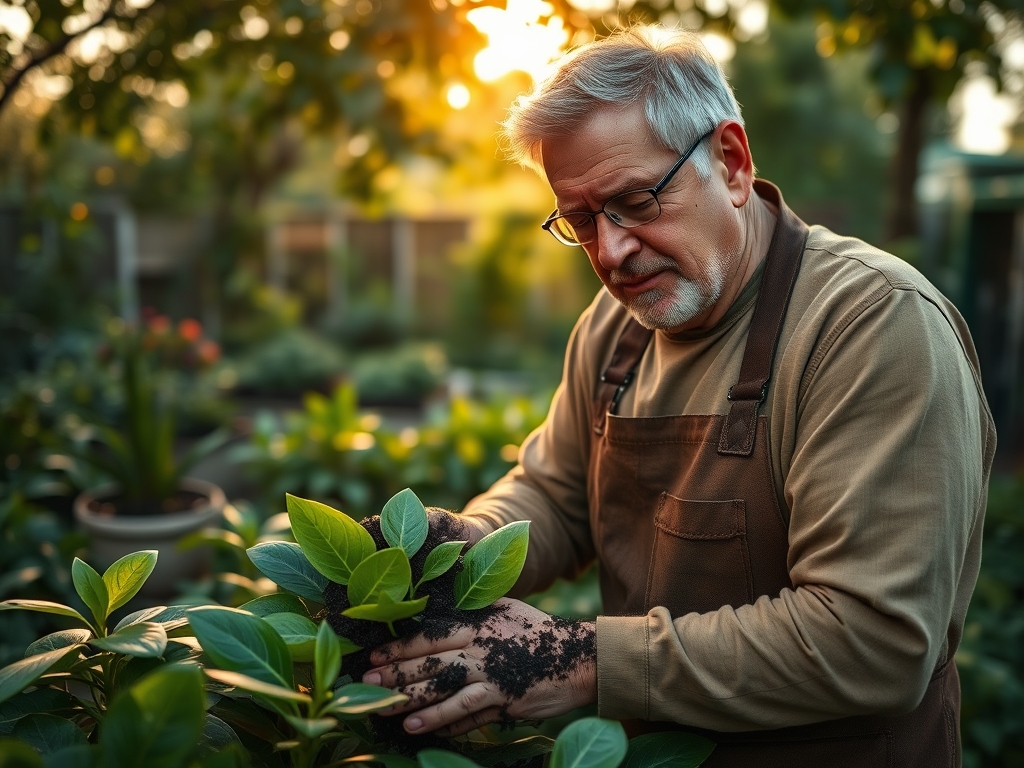
Establishment (Weeks 1-4)
Position the plant 4-6 feet from an east or north-facing window where light intensity measures 100-200 foot-candles. Direct sun scorches the cuticle layer within hours, leaving bleached patches that never regenerate pigment. Monitor soil moisture by inserting your index finger to the second knuckle; water only when substrate feels dry at that depth.
Pro-Tip: Water with room-temperature filtered or distilled water. Tap water containing fluoride concentrations above 1 ppm causes marginal necrosis in sensitive cultivars like 'Variegata.'
Vegetative Growth (Months 2-6)
Apply diluted liquid fertilizer once every four weeks during active growth. Flush the pot with plain water between feedings to prevent salt accumulation, which manifests as white crusty deposits on the soil surface and pot rim.
Rotate the container 90 degrees weekly to ensure even auxin distribution and prevent phototropic leaning. Peperomia obtusifolia grows toward its light source at roughly 15 degrees per week if left stationary.
Pro-Tip: Prune terminal stems at a 45-degree angle just above a node to encourage lateral branching. Use sterilized shears dipped in 70% isopropyl alcohol between cuts.
Maturity and Maintenance (Months 7+)
Mature plants produce slender cream-colored flower spikes in spring and summer. These inflorescences drain energy reserves; remove them at the base if compact foliage is preferred over flowering.
Repot every 18-24 months or when roots circle the interior pot wall more than twice. Choose a container only 1-2 inches larger in diameter; oversized pots retain excess moisture and delay the wet-dry cycle critical for root health.
Pro-Tip: Dust leaves monthly with a damp microfiber cloth. Surface particulates block stomatal pores and reduce gas exchange efficiency by up to 40%.
Troubleshooting
Symptom: Yellowing lower leaves with soggy stems.
Solution: Root rot from overwatering or poor drainage. Unpot immediately, trim blackened roots with sterile shears, and repot in fresh medium. Reduce watering frequency by 30%.
Symptom: Brown leaf edges with corky texture.
Solution: Edema caused by rapid moisture uptake in high humidity after drought stress. Increase air circulation with a low-speed fan and stabilize watering intervals.
Symptom: Sticky residue on leaf undersides with yellowing stippling.
Solution: Mealybug or scale infestation. Dab individual insects with a cotton swab soaked in 70% isopropyl alcohol. Follow with a foliar spray of insecticidal soap at 2% concentration, applied weekly for three weeks.
Symptom: Pale new growth with elongated internodes.
Solution: Insufficient light. Relocate to a brighter position or supplement with a 20-watt LED grow light positioned 12 inches above the canopy for 10-12 hours daily.
Symptom: Wilting despite moist soil.
Solution: Fungal vascular wilt. No cure exists; discard the plant and sterilize the pot with a 10% bleach solution before reuse.
Maintenance
Water every 10-14 days during spring and summer, every 18-21 days in fall and winter. Apply 1/2 cup per 6-inch pot, adjusting for container size. Empty the saucer 15 minutes post-watering to prevent root suffocation.
Maintain ambient temperatures between 65-75°F. Exposure below 50°F causes chilling injury; cell membranes lose integrity and leaves turn glassy before collapsing.
Humidity between 40-60% suffices. Levels above 70% promote fungal growth on dense foliage clusters; ensure adequate spacing between plants.
Prune dead or damaged leaves at the petiole base. Leave no stub tissue, as partial removal invites bacterial soft rot.
FAQ
How fast does peperomia obtusifolia grow?
Expect 3-4 inches annually under ideal conditions. Growth slows to 1 inch per year in low light or when rootbound.
Can peperomia obtusifolia tolerate low light?
It survives but does not thrive below 75 foot-candles. Leaf spacing increases and coloration fades to pale green.
Why are my peperomia leaves falling off?
Sudden leaf drop indicates temperature shock, overwatering, or root disturbance. Check for soggy soil and relocate away from drafts.
Is peperomia obtusifolia toxic to pets?
No. The American Society for the Prevention of Cruelty to Animals lists all peperomia species as non-toxic to cats and dogs.
How do I propagate peperomia obtusifolia?
Sever a 3-inch stem tip with at least two nodes. Insert the cut end 1 inch deep into moist perlite. Roots develop in 4-6 weeks at 70°F.