7 Easy Ways How to Side Dress Fertilizer
The afternoon sun beats down on your tomato rows, and mid-July nitrogen deficiency announces itself in pale, yellowing lower leaves. You planted with precision, watered on schedule, yet your crops signal hunger. Learning how to side dress fertilizer transforms this moment of deficiency into strategic intervention. The technique delivers supplemental nutrients directly to the root zone during active growth, bypassing the limitations of pre-plant incorporation.
Side dressing differs fundamentally from broadcast fertilization. It concentrates amendments in a narrow band 4 to 6 inches from plant stems, where feeder roots proliferate. This targeted approach increases nutrient uptake efficiency by 30 to 40 percent compared to surface scattering, particularly in soils with low cation exchange capacity. The method proves essential for heavy feeders such as corn, brassicas, and solanaceous crops that exhaust soil nitrogen reserves by mid-season.
Materials
Select amendments based on crop requirements and existing soil chemistry. Blood meal (12-0-0) provides rapid nitrogen release in alkaline soils above pH 7.0. Feather meal (12-0-0) mineralizes slowly, sustaining nitrogen availability for 8 to 10 weeks in acidic conditions below pH 6.5. Balanced organic blends rated 4-4-4 combine alfalfa meal, bone meal, and kelp to address multiple macronutrient demands simultaneously.
For heavy nitrogen feeders, calcium nitrate (15.5-0-0) offers immediate availability without soil pH disruption. Fish emulsion (5-1-1) supplies trace elements alongside nitrogen, correcting micronutrient deficiencies in sandy, low-organic-matter substrates. Compost aged for 6 months contributes 1.5 to 2.5 percent nitrogen by dry weight while improving soil structure and moisture retention.
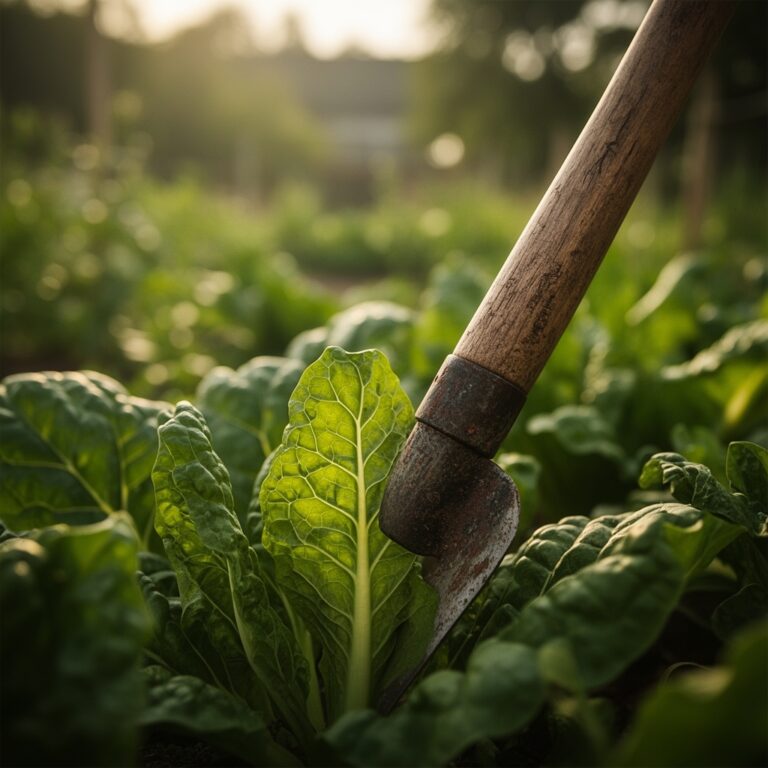
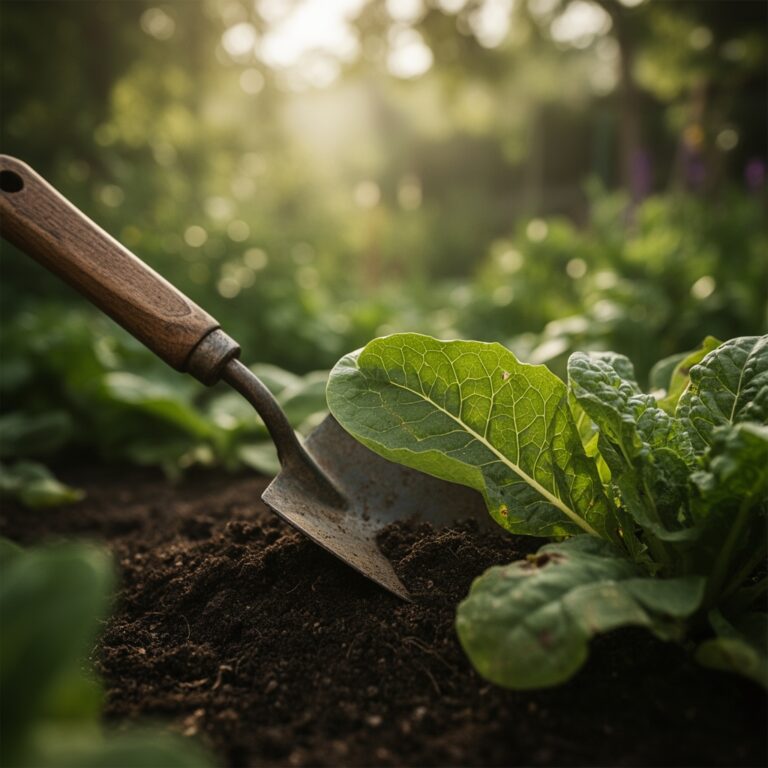
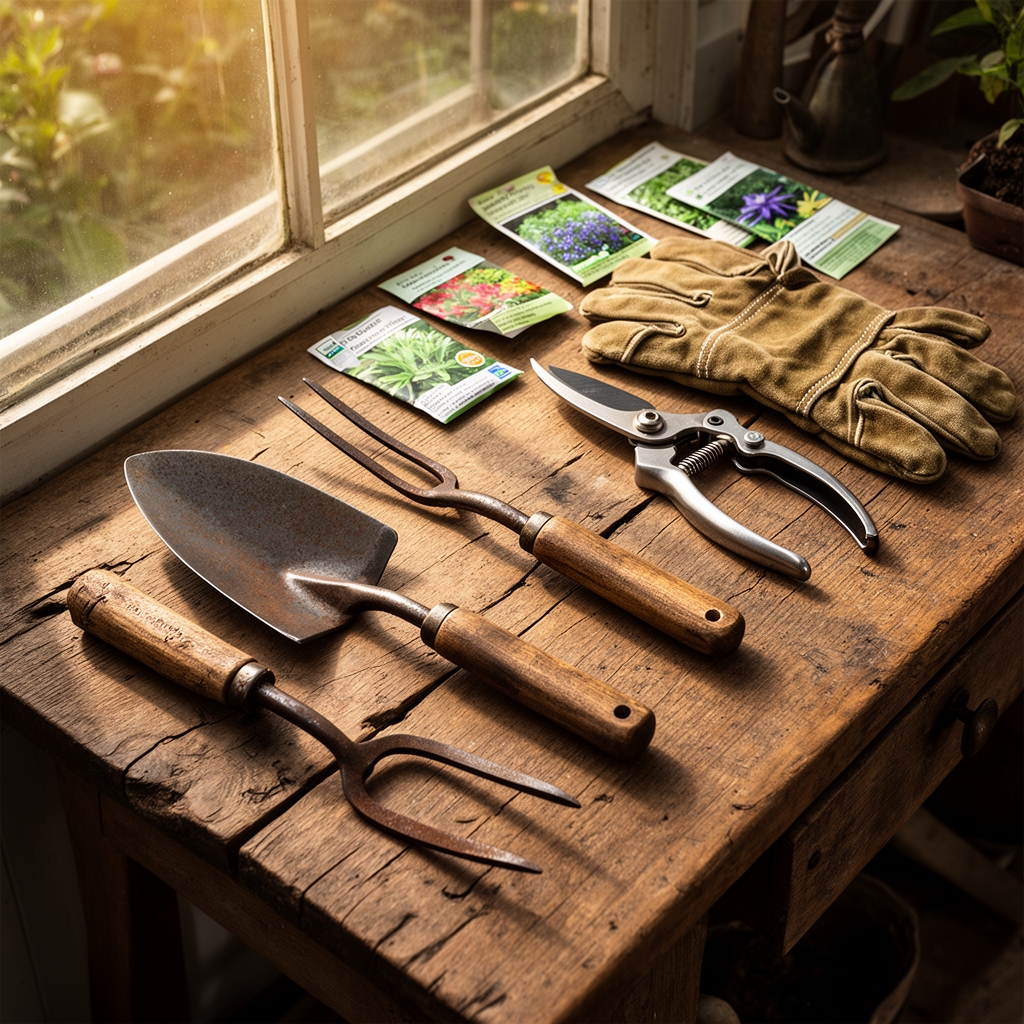
Application tools determine precision. A hoe creates narrow trenches for granular amendments. A bulb planter removes cylindrical soil cores for deep placement near taproots. A watering can fitted with a breaker rose distributes liquid fertilizers evenly across root zones. Measure amendments with a calibrated scoop, calculating rates per linear foot rather than per square yard to prevent concentration burns.
Timing
Match applications to crop phenology and hardiness zone temperature patterns. In Zones 3 through 5, side dress cool-season brassicas when night temperatures stabilize above 45°F, typically 3 to 4 weeks after transplanting. This coincides with active root expansion into the top 8 inches of soil.
Warm-season crops require different windows. Tomatoes and peppers benefit from first application 2 weeks after transplanting in Zones 6 through 9, when soil temperatures reach 65°F and mycorrhizal colonization establishes. Second applications occur at first flower formation, supporting fruit set without promoting excessive vegetative growth.
Corn demands side dressing when plants reach 12 inches tall, before rapid stem elongation begins. This timing in late spring, approximately 4 to 5 weeks post-emergence, aligns with peak nitrogen demand. A second application at tasseling supports ear development. Avoid fertilizing within 3 weeks of expected frost dates, as late-season nitrogen delays cold hardening.
Application Phases

Sowing Phase: Direct-seeded crops require side dressing when seedlings develop true leaves. Create shallow furrows 3 inches from seed rows using a hoe blade angled at 45 degrees. Distribute granular fertilizer at 2 tablespoons per 10 linear feet. Cover with 1 inch of soil to prevent volatilization losses.
Pro-Tip: Dust furrows with mycorrhizal inoculant powder before fertilizer placement. Beneficial fungi form symbiotic relationships with roots, extending phosphorus uptake range by 10 to 15 times normal root hair reach.
Transplanting Phase: Established transplants tolerate closer nutrient placement. Position fertilizer bands 4 inches from stems at depths matching the primary root ball, typically 3 to 4 inches below surface. For determinate tomatoes, apply 1/4 cup of 4-4-4 blend per plant. Indeterminate varieties require 1/3 cup due to extended growth periods.
Pro-Tip: Mix kelp meal at 10 percent of total fertilizer weight. Kelp supplies cytokinins that enhance stress tolerance during transplant establishment, reducing wilt duration by 2 to 3 days.
Establishing Phase: Perennials and long-season annuals benefit from mid-season supplementation. Apply liquid fish emulsion diluted 1:4 with water at 1 pint per square yard, irrigating immediately after to move nutrients into the root zone. Repeat every 14 days until plants initiate reproductive structures.
Pro-Tip: Monitor petiole nitrate levels with test strips during this phase. Readings below 1000 ppm indicate deficiency, while levels exceeding 2500 ppm suggest luxury consumption that delays maturity without yield benefits.
Troubleshooting
Symptom: Leaf tip burn and brown margins appearing 3 to 5 days post-application.
Solution: Salt damage from over-concentration. Flush soil with 2 inches of water daily for 3 consecutive days to leach excess nutrients below the root zone.
Symptom: Stunted growth with dark green foliage and purple leaf undersides.
Solution: Phosphorus lockout in soils above pH 7.5. Apply elemental sulfur at 1 pound per 100 square feet to lower pH, then side dress with rock phosphate (0-3-0) at 2 pounds per 100 square feet.
Symptom: Rapid vegetative growth but delayed flowering.
Solution: Excessive nitrogen promoting auxin dominance over reproductive hormones. Withhold nitrogen fertilizers. Side dress with bone meal (3-15-0) at 1/2 cup per plant to shift nutrient balance toward phosphorus.
Symptom: Yellowing between leaf veins while veins remain green.
Solution: Iron chlorosis in alkaline soils. Apply chelated iron (Fe-EDDHA) as foliar spray at 1 teaspoon per gallon weekly until symptoms resolve.
Maintenance
Irrigate with 1 inch of water immediately after granular applications to initiate nutrient dissolution and downward movement. Avoid overhead watering; drip irrigation or soaker hoses deliver moisture without washing fertilizer from root zones.
Cultivate shallowly with a stirrup hoe 7 days post-application to incorporate any surface residue without disturbing feeder roots. Maintain 3-inch mulch layers around crops to moderate soil temperature fluctuations that affect mineralization rates.
Test soil every 30 days during growing season using a standard soil test kit. Adjust subsequent side dressing rates based on nutrient drawdown patterns rather than calendar dates.
FAQ
How often should I side dress fertilizer?
Heavy feeders require applications every 3 to 4 weeks during active growth. Light feeders need only one mid-season application.
Can I side dress in containers?
Yes. Apply liquid fertilizers at half-strength every 10 days, as container substrates leach nutrients rapidly through drainage holes.
What distance from stems prevents root burn?
Maintain 4 inches minimum for established plants, 6 inches for seedlings. Root sensitivity decreases with plant maturity.
Do organic fertilizers work as side dressing?
Organic amendments require soil temperatures above 55°F for microbial breakdown. Mineralization takes 7 to 14 days compared to immediate synthetic availability.
Should I side dress before or after rain?
Apply granular fertilizers 24 hours before predicted rainfall. Natural irrigation moves nutrients into root zones without runoff common in post-rain saturated soils.