7 Technical Steps to Wire a Garden Shed
The scent of damp, disturbed earth carries the sharp, metallic tang of minerals as you break ground for a new utility run. Maintaining high turgor pressure in your nearby perennials requires consistent moisture; however, the physical infrastructure of your landscape demands a different kind of precision. When you begin the steps to wire a garden shed, you are integrating a permanent electrical system into a living, respiring ecosystem. This requires a calculated approach to depth, insulation, and safety to ensure the rhizosphere remains undisturbed while providing power for irrigation timers or supplemental lighting.
Materials:
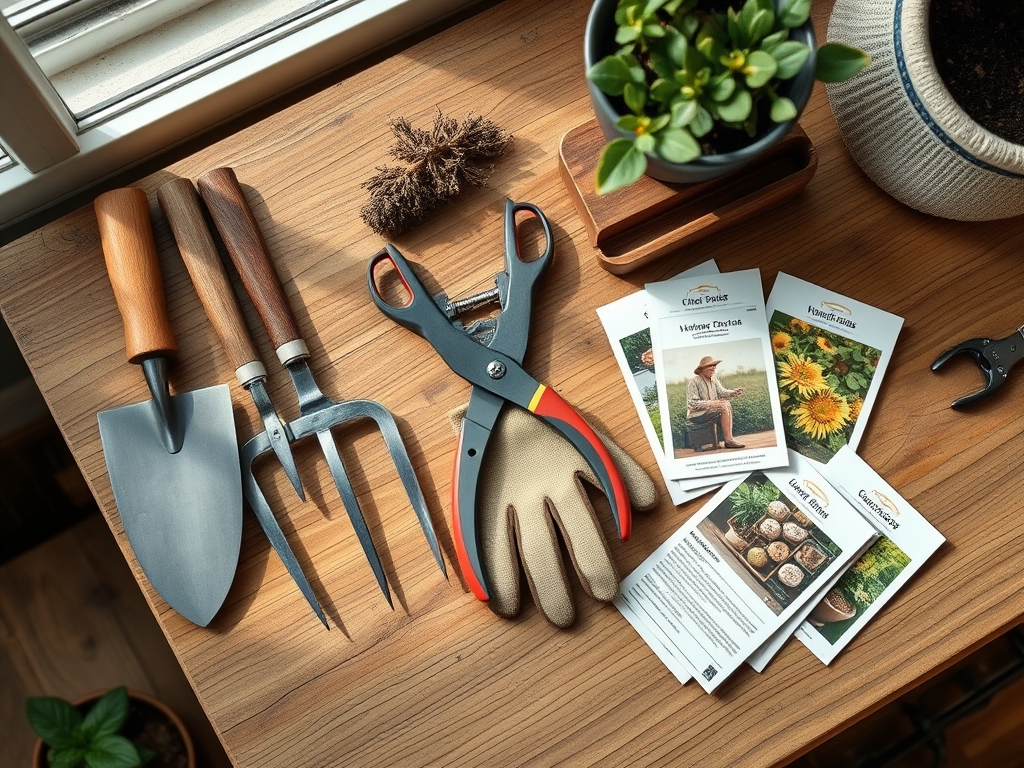
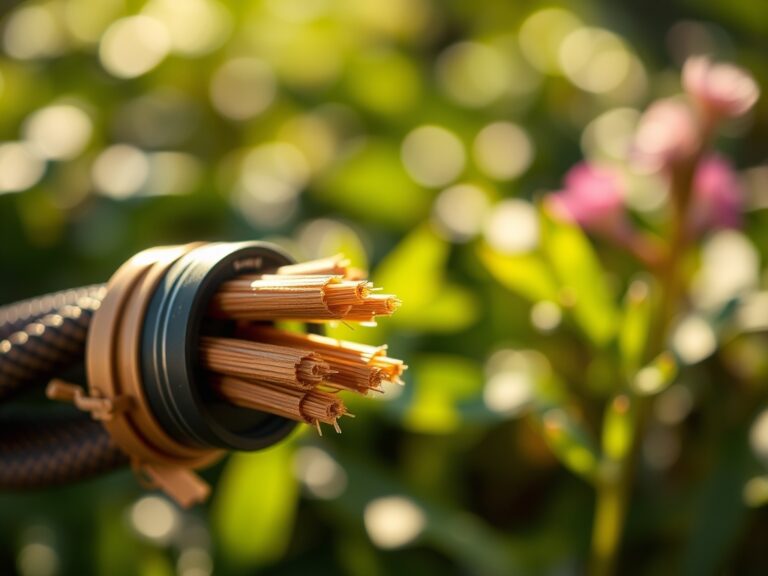
Before trenching, assess the substrate. The ideal environment is a **friable loam** with a high Cation Exchange Capacity (CEC) to ensure structural stability around the conduit. If your soil is heavy clay, drainage is poor; if it is sandy, the trench may collapse. For the surrounding vegetation, maintain a **soil pH between 6.0 and 7.0** to optimize nutrient uptake. Use a balanced **10-10-10 NPK ratio** fertilizer for any turf or groundcover displaced during the installation. You will need **UF-B (Underground Feeder) cable** or **THWN-2 wires** inside **Schedule 40 PVC conduit**. Ensure you have a **GFCI (Ground Fault Circuit Interrupter)** outlet to prevent surges in humid, high-moisture environments.
Timing:
Schedule this project during the dormant season or early spring before the "Biological Clock" triggers the transition from vegetative growth to reproductive stages. In Hardiness Zones 5 through 7, this window typically falls between late February and early April, before the ground thaws completely and root respiration increases. Avoid working during the "frost heave" period when soil volume fluctuates. Wiring must be completed before the photoperiod extends beyond 12 hours, as active root elongation makes trenching near the drip line of trees dangerous for the plant's structural integrity.
Phases:

Sowing the Infrastructure
The first step involves excavating a trench at least 18 inches deep for PVC conduit or 24 inches for direct-burial cable. Use a sharp spade to cut clean edges through the sod to minimize trauma to the grass stolons.
Pro-Tip: Minimize root disturbance to avoid auxin suppression. When you sever a root, the plant's hormonal balance shifts; keeping the trench narrow prevents a systemic growth lag.
Transplanting Power
Run the conduit from the main service panel to the shed. Use a "fish tape" to pull the wires through the pipe. Ensure all connections are housed in weather-proof junction boxes. If you are passing near a large specimen tree, tunnel under the roots rather than cutting through them to preserve the mycorrhizal symbiosis essential for nutrient transport.
Pro-Tip: Use a soil moisture meter to ensure the backfilled earth reaches the same compaction level as the surrounding area. Air pockets in the soil can lead to root desiccation and fungal pathogens.
Establishing the Circuit
Install the sub-panel inside the shed. Wire the lights and outlets in parallel circuits. Mount the fixtures high to avoid contact with moisture or fertilizers stored on the floor. Once the wiring is inspected, backfill the trench in 6-inch lifts, tamping down each layer to prevent future settling.
Pro-Tip: Re-seed the disturbed area immediately. Rapid colonization by groundcover prevents soil erosion and maintains the phototropism of nearby ornamental plants by preventing light reflection off bare dirt.
The Clinic:
Symptom: Interveinal Chlorosis
Solution: This is often a sign of Nitrogen deficiency caused by high-carbon organic matter (like sawdust or wood chips) being mixed into the trench backfill. The microbes consume nitrogen to break down the carbon, stealing it from the plants.
Fix-It: Apply a quick-release high-nitrogen (20-0-0) fertilizer to the affected strip.
Symptom: Marginal Leaf Scorch
Solution: This indicates potassium deficiency or salt buildup. If you used treated lumber or certain electrical lubricants, they may have leached into the soil.
Fix-It: Flush the area with 2 inches of water to leach excess salts and apply potash (0-0-60).
Symptom: Wilting despite moist soil
Solution: This is likely root rot (Phytophthora) caused by soil compaction in the trench. Compacted soil lacks the pore space necessary for oxygen to reach the roots.
Fix-It: Use a garden fork to aerate the soil around the trench without hitting the conduit.
Maintenance:
Post-installation care is vital for the recovery of the landscape. Provide 1.5 inches of water per week at the drip line of any trees or shrubs within ten feet of the trench. Use a hori-hori knife to remove deep-rooted weeds that may attempt to colonize the freshly turned soil. Prune any broken branches with bypass pruners to ensure clean cuts that heal quickly through compartmentalization. Monitor the soil surface for any "sinkholes" that indicate the trench was not packed tightly enough; these can collect water and drown the root systems of nearby plants.
The Yield:
While a shed does not produce a harvest in the traditional sense, the "yield" is the increased efficiency of your horticultural operations. With power, you can run heating mats for seed starting, maintaining a consistent 70 degree Fahrenheit soil temperature for optimal germination. You can also install timers for a drip irrigation system, which delivers water directly to the rhizosphere, reducing evaporation by 40 percent compared to overhead watering. This infrastructure allows for a controlled environment that extends the growing season by several weeks in both spring and autumn.
FAQ:
How deep should I bury the electrical lines?
For residential garden sheds, Schedule 40 PVC conduit must be buried at a minimum depth of 18 inches. If using direct-burial UF cable without conduit, the depth must increase to 24 inches to prevent accidental contact during cultivation.
Can I run wire through my vegetable garden?
Yes, but avoid areas where you use a tiller. Maintain a distance of at least 12 inches from the root zones of deep-rooted perennials. Ensure the soil is amended with organic matter to restore the cation exchange capacity after backfilling.
What is the best way to protect wires from moisture?
Use THWN-2 wire, which is rated for wet locations. Always install a GFCI outlet as the first point of contact in the shed. This prevents electrical surges if water enters the system through high humidity or accidental splashing.
Will trenching kill my nearby trees?
Trenching within the Critical Root Zone (one foot for every inch of trunk diameter) can cause significant stress. To minimize damage, use a "bore" tool to go under major roots rather than cutting through the primary structural supports.