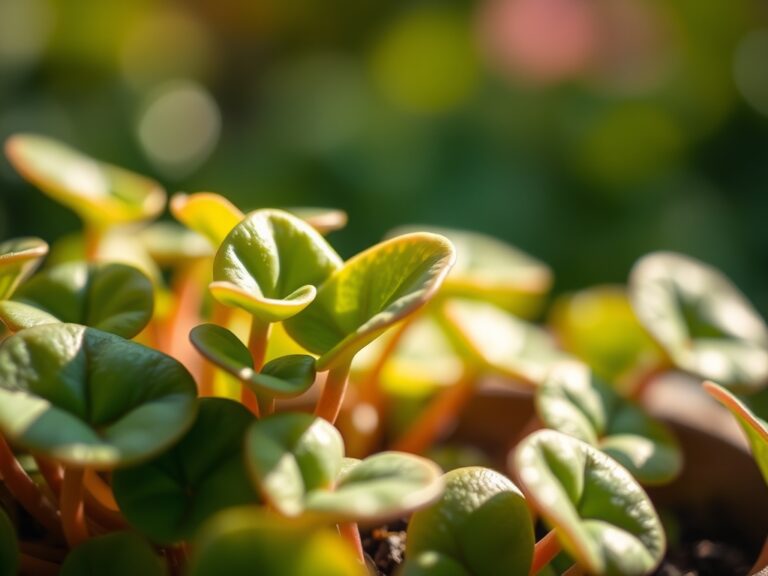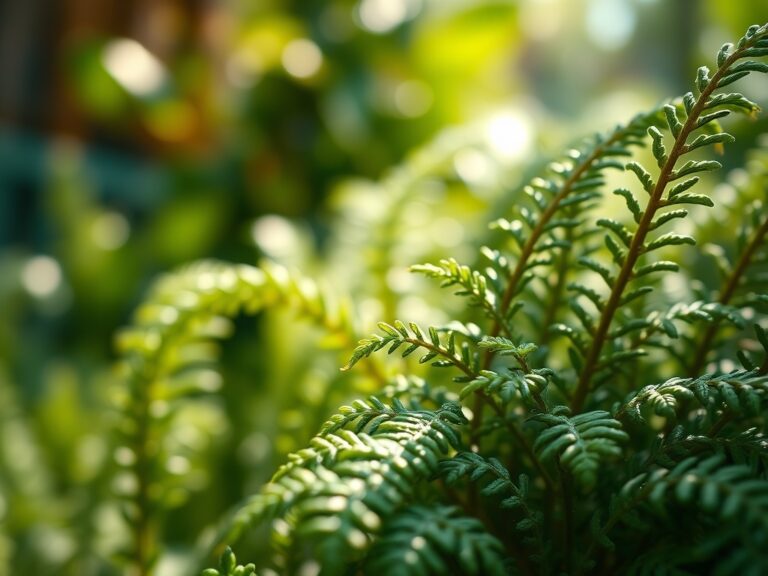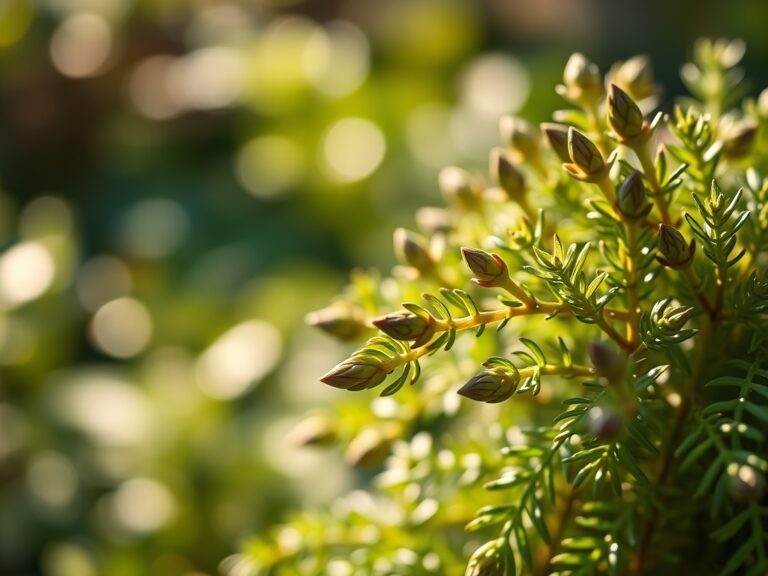
8 Best Hoya Linearis Vine Tips
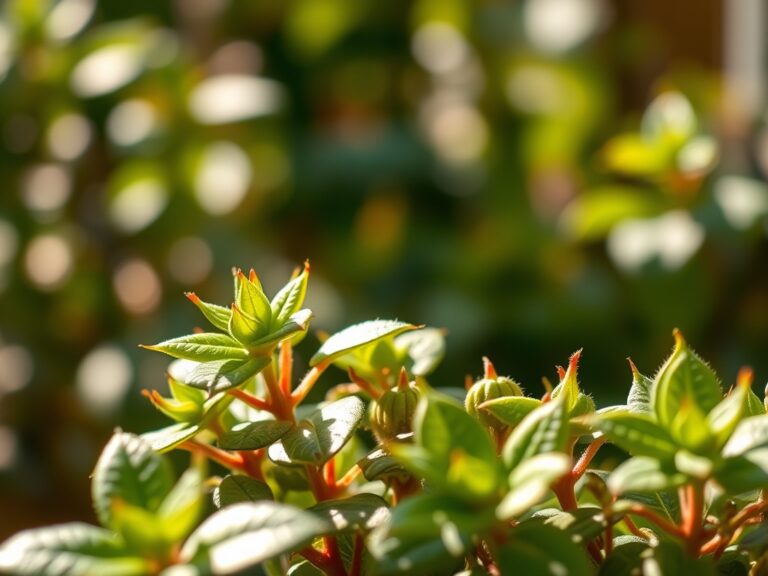
Crushing a dried leaf of Hoya linearis between your fingers should yield a brittle snap; however, a healthy specimen maintains a fleshy, cylindrical turgor that feels like cool wax. This epiphytic species from the Himalayan foothills demands a specific atmospheric equilibrium to thrive in a domestic setting. Achieving the best hoya linearis vine tips requires a shift from standard potting logic to a focus on oxygen availability within the rhizosphere. These plants do not grow in soil in their native habitat; they cling to trees where humidity is high but drainage is instantaneous. To mimic this, you must manage the delicate balance of high ambient moisture and low substrate saturation. If the soft, pendulous vines begin to pucker or lose their deep olive pigment, the plant is likely suffering from a collapse in osmotic pressure. Mastering this species is a lesson in precision hydrology and light filtration. Success is measured by the steady elongation of the stems and the eventual emergence of wax-like, lemon-scented umbels.
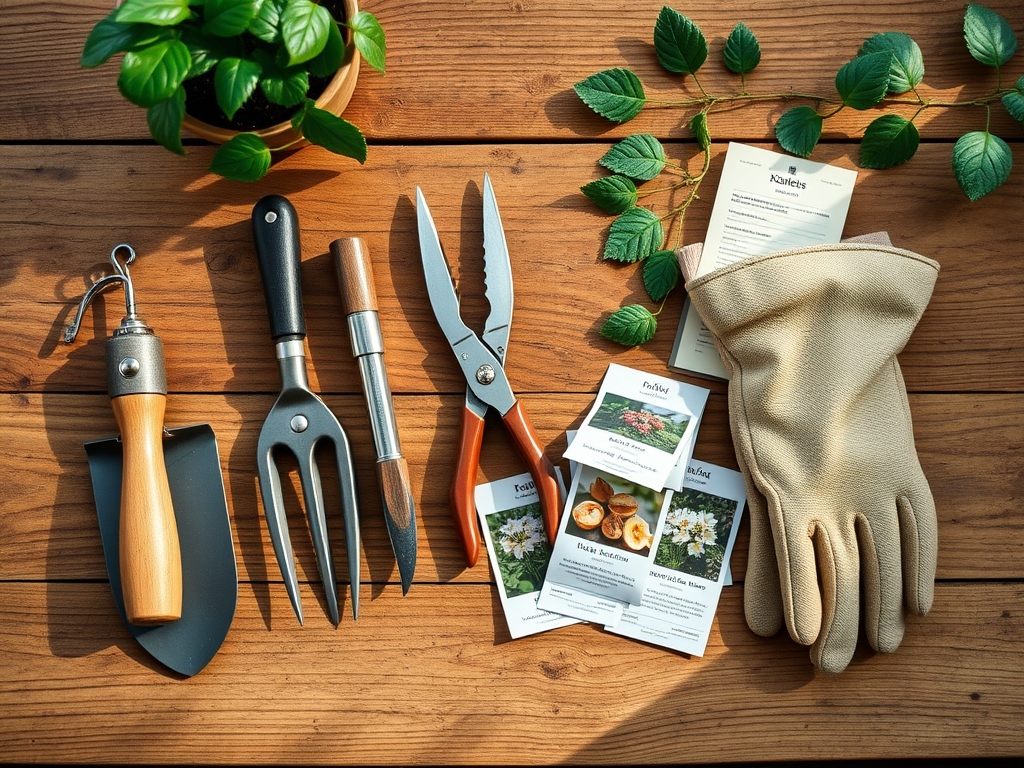
Materials:
The substrate must be a friable, coarse-textured medium that prioritizes air porosity over water retention. A standard potting mix will suffocate the fine root hairs. Construct a medium with a pH range of 6.0 to 7.0. The ideal blend consists of 40 percent orchid bark, 30 percent perlite, 20 percent chopped sphagnum moss, and 10 percent horticultural charcoal. This configuration ensures a high Cation Exchange Capacity (CEC) while preventing the accumulation of anaerobic bacteria.
Nutrient requirements are specific. During the active growing season, utilize a water-soluble fertilizer with an NPK ratio of 15-15-15 diluted to quarter strength. For mature plants intended for flowering, pivot to a high-phosphorus 10-30-10 formula in early spring to stimulate the development of peduncles. Avoid heavy salts; Hoya linearis is sensitive to mineral buildup which can lead to leaf tip burn and root desiccation.
Timing:
Hoya linearis is generally suited for USDA Hardiness Zones 10 through 11 if grown outdoors; however, it is primarily managed as an indoor specimen in temperate climates. The plant enters a semi-dormant state when temperatures drop below 55 degrees Fahrenheit (12.7 degrees Celsius). Growth accelerates significantly when daytime temperatures fluctuate between 65 and 80 degrees Fahrenheit.
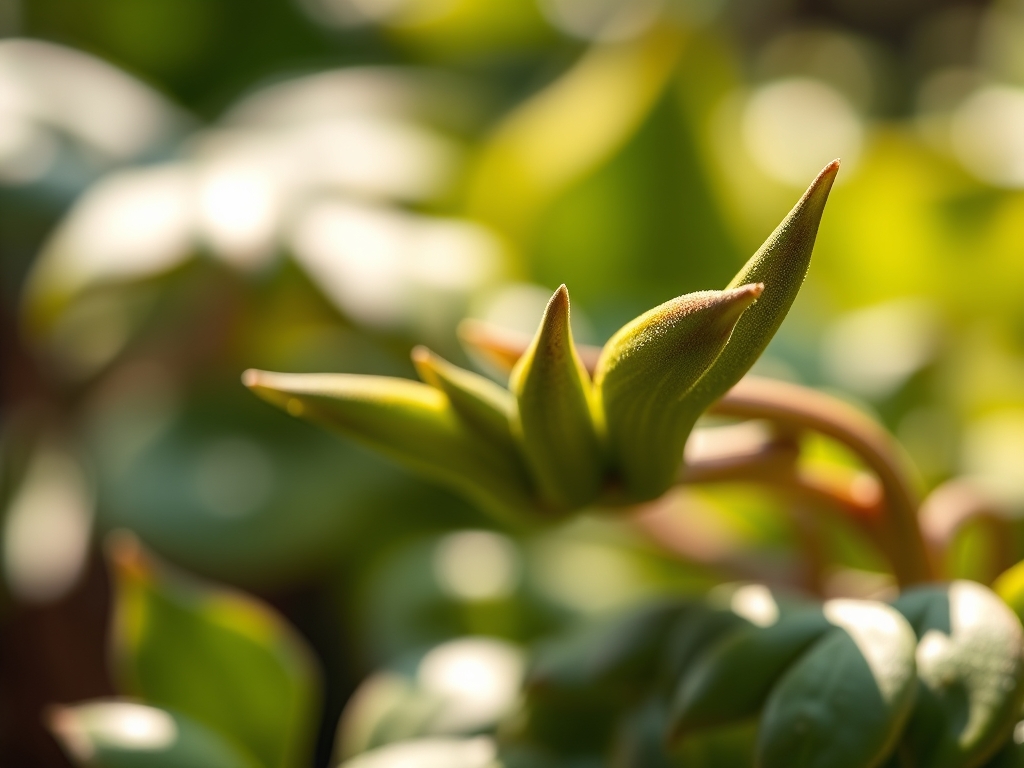
The biological clock of this species is governed by the photoperiod. It transitions from the vegetative stage to the reproductive stage as day length increases in the spring. To trigger flowering, the plant requires a cooling period in the winter where nights are consistently around 60 degrees Fahrenheit. This thermal dip signals the plant to shift energy from foliar elongation to the synthesis of florigen, the hormone responsible for budding.
Phases:
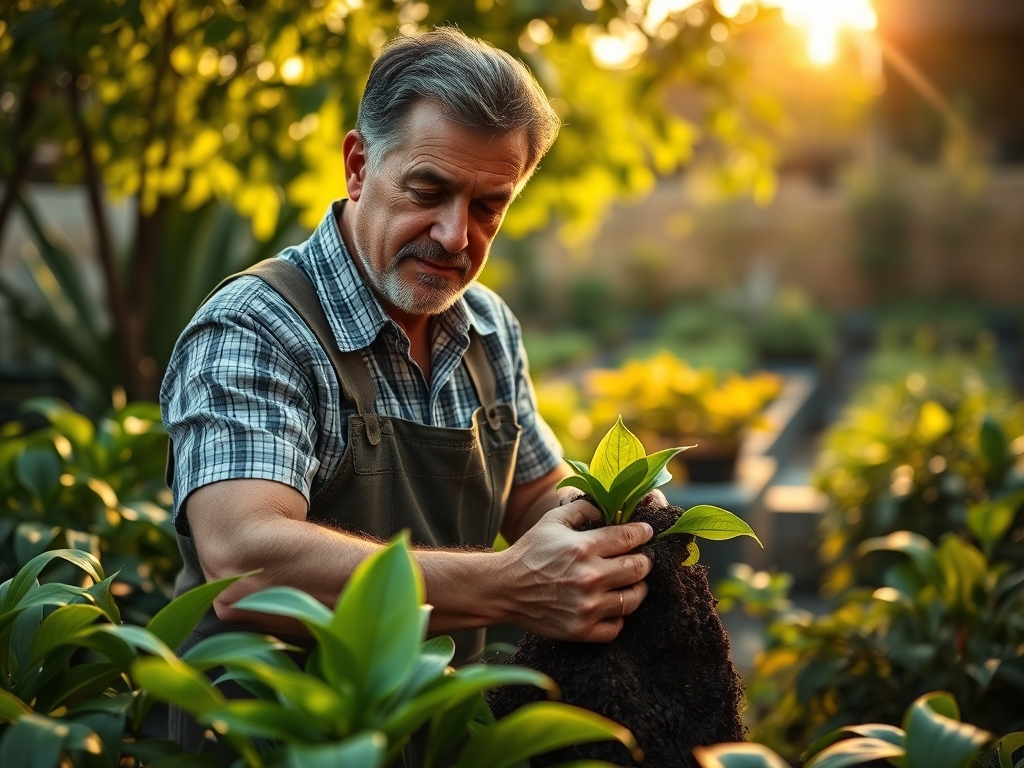
Sowing and Propagation
Propagation is more effective than sowing seeds, which have a short viability window. Take 4-inch stem cuttings from healthy, non-flowering vines. Ensure each cutting has at least two nodes. Submerge the nodes in a sterile medium or water.
Pro-Tip: Dip the cut end in a rooting hormone containing Indole-3-butyric acid (IBA). This mimics the natural auxin concentration at the wound site, accelerating the differentiation of undifferentiated cells into root tissue.
Transplanting
Move rooted cuttings or nursery starts into their permanent vessels once the root system reaches 2 inches in length. Use a pot with multiple drainage holes. Epiphytes prefer to be slightly root-bound; this restriction limits excess moisture in the center of the root ball.
Pro-Tip: Incorporate a handful of worm castings during transplanting to introduce beneficial microbes. These microbes establish a mycorrhizal symbiosis, extending the root system's reach and improving the uptake of micronutrients like zinc and copper.
Establishing
During the first six weeks post-transplant, maintain high humidity above 60 percent. Avoid moving the plant. Hoya linearis is highly sensitive to changes in light direction.
Pro-Tip: Position the plant so it receives bright, filtered light but never direct midday sun. This prevents photoinhibition, a state where excessive light energy damages the photosynthetic apparatus, leading to bleached foliage and stunted growth.
The Clinic:
Physiological disorders in Hoya linearis often manifest through the foliage. Monitoring the texture and color of the vines is the first line of defense.
Symptom: Yellowing of the oldest leaves (Nitrogen Chlorosis).
Solution: Apply a balanced liquid fertilizer at half-strength. Nitrogen is a mobile nutrient; the plant will pull it from older leaves to support new growth if the substrate is depleted.
Symptom: Shriveled, limp vines despite wet soil (Root Rot/Anoxia).
Solution: This indicates the roots have died due to a lack of oxygen. Remove the plant, prune away blackened roots with sterilized bypass pruners, and repot in a fresh, bark-heavy medium.
Symptom: Premature bud drop (Abscission).
Solution: Usually caused by sudden temperature fluctuations or inconsistent watering. Maintain a stable environment and do not move the pot once peduncles have formed.
Fix-It for Magnesium Deficiency: If leaves show interveinal chlorosis (yellowing between green veins), apply a solution of one teaspoon of Epsom salts per gallon of water. Magnesium is the central atom in the chlorophyll molecule; its absence halts photosynthesis.
Maintenance:
Precision is mandatory for long-term health. Use a soil moisture meter to verify that the top 2 inches of substrate have dried before adding water. On average, this plant requires a deep soak every 7 to 10 days, depending on ambient evaporation rates. When watering, apply enough volume so that it flows freely from the drainage holes, flushing out accumulated salts.
Pruning should be minimal. Use a hori-hori knife or sharp snips to remove only dead or diseased tissue. Never cut off the peduncles (the small stalks where flowers emerge). Hoya linearis blooms from the same peduncles year after year; removing them eliminates future flowering sites. For dust management, mist the vines bi-weekly with distilled water to keep the stomata clear for gas exchange.
The Yield:
While not an edible crop, the "yield" of a Hoya linearis is its cascading foliage and fragrant blooms. For maximum aesthetic impact, allow the vines to reach lengths of 3 to 6 feet. If you must harvest cuttings for sharing, do so in the early morning when turgor pressure is at its peak. This ensures the cells are fully hydrated, increasing the success rate of the subsequent propagation. Place the cut ends in a damp paper towel immediately to prevent the milky latex sap from sealing the wound prematurely, which can hinder water uptake in the new medium.
FAQ:
Why are my Hoya linearis leaves falling off?
This is typically a response to overwatering or cold shock. If the soil is saturated, the roots are suffocating from a lack of oxygen. Ensure the temperature remains above 55 degrees Fahrenheit and the substrate is highly porous.
How do I get my Hoya linearis to bloom?
Ensure the plant receives bright, indirect light and a distinct drop in nighttime temperatures during winter. Use a high-phosphorus fertilizer (10-30-10) starting in early spring to support the development of flower clusters on existing peduncles.
Can Hoya linearis grow in low light?
While it may survive, low light leads to etiolation, where the stems become thin, weak, and stretched between nodes. For dense, lush growth, provide at least 12 hours of bright, filtered light per day.
What is the best pot for Hoya linearis?
A terracotta pot is ideal because the porous clay allows for lateral evaporation, preventing the substrate from staying damp for too long. Ensure the pot has a large drainage hole to prevent water stagnation at the root zone.