8 Best Timber for Garden Stairs
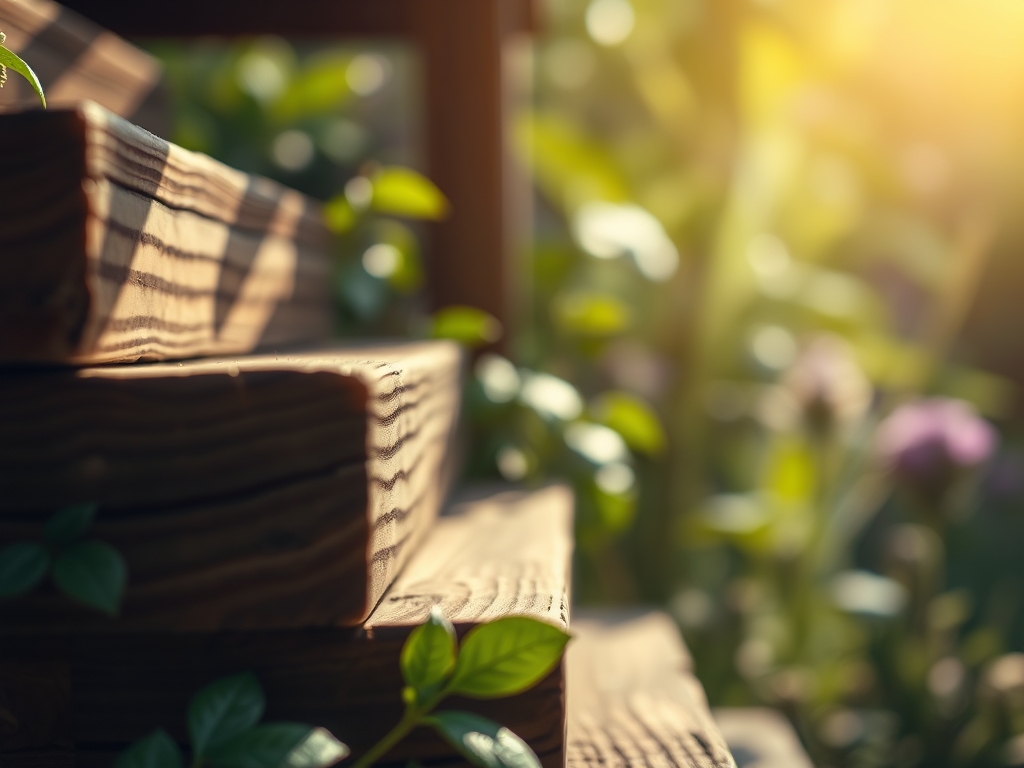
The smell of damp earth and the sharp, metallic scent of bruised foliage signal the beginning of any serious structural landscape project. When you install steps into a slope, you are managing the intersection of gravity, hydrology, and biological pressure. Selecting the best timber for garden stairs requires a technical understanding of cellulose density and fungal resistance. Wood in contact with the ground faces constant anaerobic stress and microbial attack. You need a material that maintains structural integrity while the surrounding rhizosphere remains active. Whether you are navigating a 15 percent grade or a steep 45 percent incline, the timber must resist the hydraulic force of saturated soil. Failure to select the correct species results in rapid senescence of the wood fibers; this leads to structural collapse within five years. A professional installation relies on the physical properties of the wood to withstand the constant turgor pressure of the encroaching bank.
Materials:
Before selecting your timber, analyze the soil chemistry surrounding the installation site. Soil pH directly impacts the rate of wood decay. In acidic soils with a **pH below 5.5**, certain fungal pathogens thrive; these fungi accelerate the breakdown of lignin. Conversely, alkaline soils can cause mineral buildup on the wood surface. The ideal substrate for backfilling timber stairs is a **friable loam** with a high Cation Exchange Capacity (CEC). This ensures that water moves away from the wood quickly rather than pooling.
If you are planting around your stairs, maintain a balanced NPK ratio of 10-10-10 for general establishment. For heavy feeders near the staircase, increase the Nitrogen to a 20-10-10 ratio to support rapid vegetative growth. Ensure the soil has a high percentage of organic matter to facilitate mycorrhizal symbiosis. This biological network helps stabilize the soil around the timber, reducing the risk of erosion that could expose the stair footings.
- Black Locust: This is the gold standard for rot resistance. It has a high density and contains natural toxins that repel wood-boring insects.
- Western Red Cedar: Known for its high tannin content, it resists moisture and decay. It is best used in Hardiness Zones 5 through 9.
- Redwood: Exceptional dimensional stability. It does not warp or twist easily under fluctuating moisture levels.
- Pressure-Treated Pine (UC4B Grade): Must be rated for ground contact. It uses copper-based fungicides to prevent rot.
- White Oak: A closed-cell structure makes it nearly waterproof. Historically used in shipbuilding.
- Ipe: An extremely dense tropical hardwood. It has a fire rating similar to concrete and steel.
- Teak: High oil content provides a natural barrier against water infiltration.
- Cypress: Contains "cypressene," a natural preservative oil that prevents fungal colonization.
Timing:
Hardiness Zones dictate the window for structural garden work. In Zones 3 through 6, installation must occur after the final spring thaw but before the first autumn freeze. Ground heave caused by the freeze-thaw cycle can displace timber that has not yet settled. In Zones 7 through 11, work can proceed year-round, though peak summer heat can cause rapid wood contraction.
Understand the "Biological Clock" of your landscape. If you are installing stairs through an established garden, time your construction during the plant's dormant phase. This prevents disrupting the transition from vegetative to reproductive stages. Disturbing the root zone during peak flowering can cause immediate abscission of blooms due to ethylene stress. Aim for late winter or early spring when sap flow is minimal.
Phases:

Sowing the Foundation
Excavate the site to a depth of 6 inches below the intended base of the first step. Fill this void with compacted angular gravel. This creates a capillary break, preventing moisture from wicking upward into the timber.
Pro-Tip: Use a soil moisture meter to ensure the sub-base is dry before installation. Maintaining a dry foundation prevents anaerobic respiration in the soil, which can produce alcohols that damage nearby plant roots.
Transplanting the Structure
Secure each timber using 12-inch galvanized steel spikes or rebar. The timbers must be level across the width but sloped forward by 1/8 inch to allow for water runoff. This prevents "puddling," which leads to localized soft rot.
Pro-Tip: When backfilling, integrate mycorrhizal inoculants into the soil. This encourages mycorrhizal symbiosis, creating a fungal net that binds the soil particles together; this reduces the mechanical pressure against the timber walls.
Establishing the Grade
Once the timbers are set, pack the "tread" area with a mixture of crushed stone and topsoil. If planting into the steps, ensure the soil depth is at least 8 inches to allow for proper root expansion.
Pro-Tip: If planting groundcovers like creeping thyme between steps, trim the lead shoots to encourage auxin suppression. This forces the plant to grow laterally rather than vertically, creating a dense mat that prevents soil erosion around the wood.
The Clinic:
Physiological disorders in the landscape often manifest as physical damage to the timber or the surrounding flora.
- Symptom: Soft, spongy wood texture with white or brown discoloration.
- Solution: This is fungal decay. Remove the affected timber and improve drainage by increasing the gravel substrate to 8 inches.
- Symptom: Yellowing of leaves (chlorosis) in plants immediately adjacent to pressure-treated wood.
- Solution: This may be Nitrogen chlorosis. The carbon-heavy wood can "tie up" nitrogen as microbes work to break it down. Apply a high-nitrogen fertilizer (30-0-0) to the rhizosphere.
- Symptom: Timbers "kicking out" or leaning forward.
- Solution: Hydrostatic pressure. Drill 1/2-inch weep holes every 2 feet in the timber to allow trapped water to escape from behind the structure.
Maintenance:
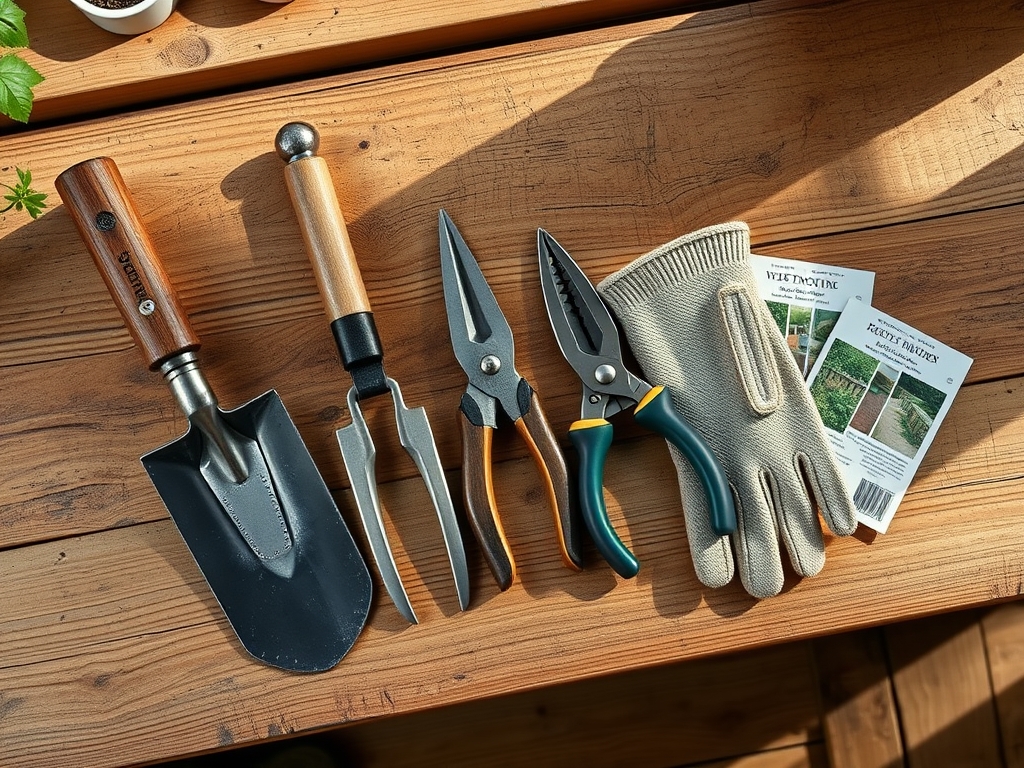
Structural integrity requires consistent monitoring. Use a hori-hori knife to check for soft spots in the wood every six months. If the blade penetrates more than 1/4 inch with minimal force, the timber is failing. Maintain the surrounding vegetation with bypass pruners to ensure airflow; stagnant air increases humidity and fungal load.
Irrigation must be precise. Apply 1.5 inches of water per week at the drip line of nearby plants. Avoid spraying the timber directly. Use a soil moisture meter to verify that the soil behind the stairs is not remaining saturated for more than 24 hours after a rain event.
The Yield:
If your garden stairs serve a kitchen garden, the "yield" is the ease of harvest. Proper stair spacing (12-inch tread, 6-inch rise) prevents physical fatigue. When harvesting herbs or greens along the path, use sharp snips to ensure clean cuts. This maintains "day-one" freshness by minimizing cellular trauma and preventing rapid water loss through jagged wound sites.
FAQ:
What is the longest-lasting timber for garden stairs?
Black Locust and Ipe are the most durable. Both species can last 20 to 40 years in direct ground contact due to high density and natural rot-resistant compounds.
How do I prevent wood stairs from becoming slippery?
Apply a clear anti-slip coating containing fine aggregate. Alternatively, use a hori-hori knife to score shallow grooves into the wood surface to increase mechanical friction and improve drainage.
Should I use pressure-treated wood near edible plants?
Modern ACQ (Alkaline Copper Quaternary) treated wood is generally considered safe. However, for organic certification, use natural rot-resistant species like Cedar or Redwood to avoid synthetic chemical leaching into the rhizosphere.
How deep should the footings be for timber stairs?
Set the base timber at least 4 inches below grade on a compacted gravel bed. This prevents shifting from frost heave and provides a stable anchor for subsequent steps.