8 Simple Ways How to Adjust Soil Acidity
Most gardeners confront the stubborn reality of soil pH only after watching azaleas yellow or blueberries fail. Acidity governs nutrient availability, microbial populations, and cation exchange capacity. Knowing how to adjust soil acidity transforms a marginal plot into a thriving ecosystem. Aluminum solubility spikes below pH 5.0. Iron locks out above 7.5. Between these thresholds, billions of bacteria and mycorrhizal fungi negotiate every uptake event. This guide provides eight field-tested methods to shift pH in either direction, complete with amendment rates, timing windows, and troubleshooting protocols.
Materials
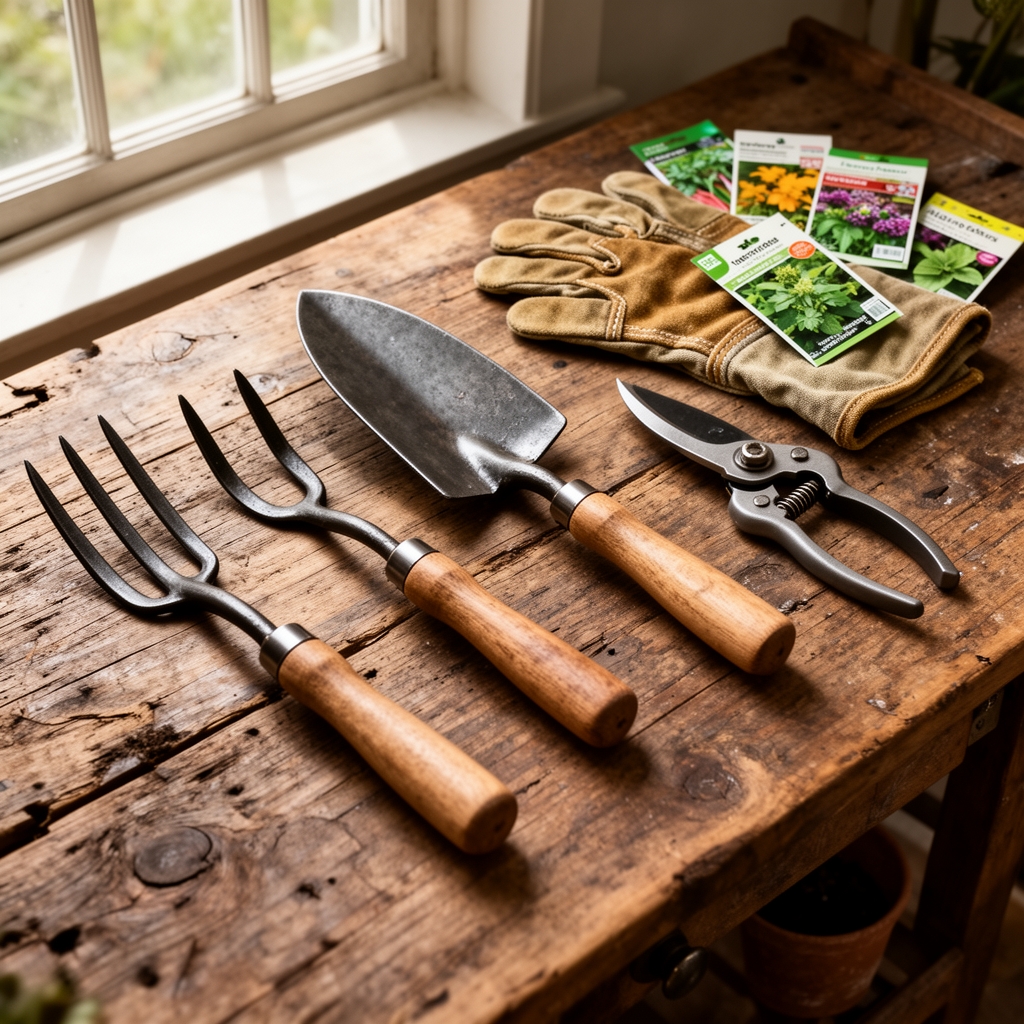
Lowering pH demands elemental sulfur (90% purity), aluminum sulfate (51% aluminum by weight), or acidic organic amendments. Elemental sulfur converts through bacterial oxidation into sulfuric acid over 6 to 12 weeks. Apply 1.2 pounds per 100 square feet to drop one full pH point in loam. Aluminum sulfate acts within days but risks aluminum toxicity above 2 pounds per 100 square feet annually. Sphagnum peat moss (pH 3.5 to 4.5) adds organic matter while gradually acidifying; incorporate 2 cubic feet per 100 square feet for a 0.3-point reduction. Pine needle mulch (pH 3.2 to 3.8) sustains acidity in the top 2 inches. Cottonseed meal (6-2-1 NPK, pH 5.0) feeds acid-loving crops and inches pH downward over successive seasons.
Raising pH requires agricultural lime. Calcitic limestone (pure calcium carbonate) moves pH upward without adding magnesium. Dolomitic limestone (calcium-magnesium carbonate) corrects magnesium deficiency simultaneously. Grind size matters: particles smaller than 60-mesh (0.25 mm) react within 30 days; coarser grades take six months. Apply 5 pounds per 100 square feet to lift sandy soil one point. Clay demands 7 pounds for the same shift. Hydrated lime (calcium hydroxide) reacts in 7 to 14 days but burns roots if over-applied; limit to 1 pound per 100 square feet. Wood ash (pH 10 to 13, 0-1-3 NPK) works fast but carries soluble salts. Use 1 pound per 100 square feet and retest in 30 days.
Timing
Adjusting soil acidity aligns with dormancy and microbial activity. In USDA Hardiness Zones 3 through 6, apply elemental sulfur or lime in early spring (4 to 6 weeks before last frost) or late autumn (after first hard freeze). Soil bacteria oxidize sulfur most efficiently between 55 and 85 degrees Fahrenheit. Fall applications allow rain and snowmelt to dissolve amendments before root flush. Zones 7 through 10 permit mid-winter amendments during brief warm windows. Aluminum sulfate and hydrated lime act regardless of microbial populations, enabling emergency corrections in summer. Retest pH 60 days after sulfur application, 30 days after lime, and 14 days after fast-acting amendments.
Phases

Sowing Phase
Test soil pH with a calibrated probe or laboratory analysis (accurate to ±0.1 units). Broadcast elemental sulfur or lime evenly. Rototill amendments into the top 6 inches. Water lightly to initiate microbial or chemical reactions. Avoid seed contact with raw amendments; wait 21 days before sowing. Inoculate legume seeds with Rhizobium bacteria tailored to target pH.
Pro-Tip: Mix mycorrhizal spores (endo- or ecto-, depending on crop family) into the amended zone at 1 ounce per 10 square feet to accelerate root colonization and phosphorus uptake.
Transplanting Phase
Retest pH at planting depth. Adjust individual planting holes if broadcast amendments proved insufficient. For acid-loving transplants (blueberries, camellias, rhododendrons), backfill holes with a 1:1 blend of native soil and sphagnum peat. Drench root balls with 0.1% chelated iron sulfate solution to prevent transplant chlorosis. Space transplants according to mature canopy diameter to minimize root competition and localized pH drift.
Pro-Tip: Shear feeder roots at a 45-degree angle during transplant to stimulate auxin distribution and lateral branching within the amended zone.
Establishing Phase
Monitor pH monthly for six months. Soil buffers resist change; undershoot initial amendment rates and add incrementally. Mulch acid-preferring plants with 2 inches of pine bark (pH 4.0). Top-dress alkaline beds with compost (pH 6.5 to 7.0) quarterly. Deep-water every 7 days to leach salts and distribute soluble amendments. Foliar-feed micronutrients (iron, manganese, zinc) if pH swings lock them out.
Pro-Tip: Install PVC access tubes to 12 inches depth for quick pH sampling without disturbing roots.
Troubleshooting
Symptom: Interveinal chlorosis (yellow leaves, green veins) on new growth.
Solution: Iron deficiency from high pH. Chelated iron EDDHA (6% iron) at 1 ounce per gallon as a soil drench. Lower pH with sulfur.
Symptom: Leaf-tip necrosis and marginal browning.
Solution: Aluminum or manganese toxicity from pH below 5.0. Broadcast dolomitic lime at 3 pounds per 100 square feet. Leach soil with 1 inch of water weekly for three weeks.
Symptom: Stunted growth, dark blue-green foliage, and purpling stems.
Solution: Phosphorus lockout at pH below 5.5 or above 7.5. Adjust to 6.0 to 7.0. Apply triple superphosphate (0-46-0) at 0.5 pounds per 100 square feet.
Symptom: Blossom-end rot on tomatoes, peppers, squash.
Solution: Calcium deficiency exacerbated by fluctuating pH. Stabilize pH at 6.5. Side-dress with gypsum (calcium sulfate, pH neutral) at 2 pounds per 100 square feet.
Symptom: Weak stems, poor flowering, susceptibility to lodging.
Solution: Potassium deficiency common in sandy, acidic soils. Potassium sulfate (0-0-50) at 1 pound per 100 square feet. Retest in 45 days.
Maintenance
Retest soil pH annually in late winter. Acidic soils drift upward in regions with alkaline irrigation water; counter with 0.5 pounds sulfur per 100 square feet every 18 months. Alkaline soils creep lower from organic decomposition and acid rain; refresh lime every 24 months. Apply 1 inch of water per week to maintain consistent moisture and microbial activity. Mulch with 2 inches of shredded hardwood bark (pH 6.0) for neutral beds. Rotate crops to prevent localized pH depletion. Side-dress established perennials with compost (1 cubic foot per 100 square feet) each spring to buffer pH swings. Avoid over-fertilization with ammonium-based nitrogen sources (urea, ammonium sulfate), which acidify soil faster than elemental sulfur.
FAQ
How quickly does lime raise pH?
Calcitic or dolomitic limestone requires 60 to 90 days for full reaction in moist soil. Hydrated lime acts in 14 days but demands careful dosing.
Can I use vinegar to lower soil pH?
Vinegar (acetic acid) offers a transient drop lasting days. Elemental sulfur provides stable, long-term acidification through microbial oxidation.
What pH suits vegetable gardens?
Most vegetables thrive at pH 6.0 to 7.0. Potatoes prefer 5.0 to 6.0 to suppress scab. Brassicas tolerate 6.5 to 7.5 without clubroot.
Do coffee grounds acidify soil?
Spent coffee grounds measure pH 6.5 to 6.8, nearly neutral. Fresh grounds (pH 4.9 to 5.1) acidify slightly but contain tannins that inhibit germination.
How do I test soil pH at home?
Electronic probes (calibrated quarterly) offer ±0.2-unit accuracy. Laboratory tests (cooperative extension services) provide precise pH and buffer capacity for $15 to $25.