9 Vital Steps to Build a Rockery
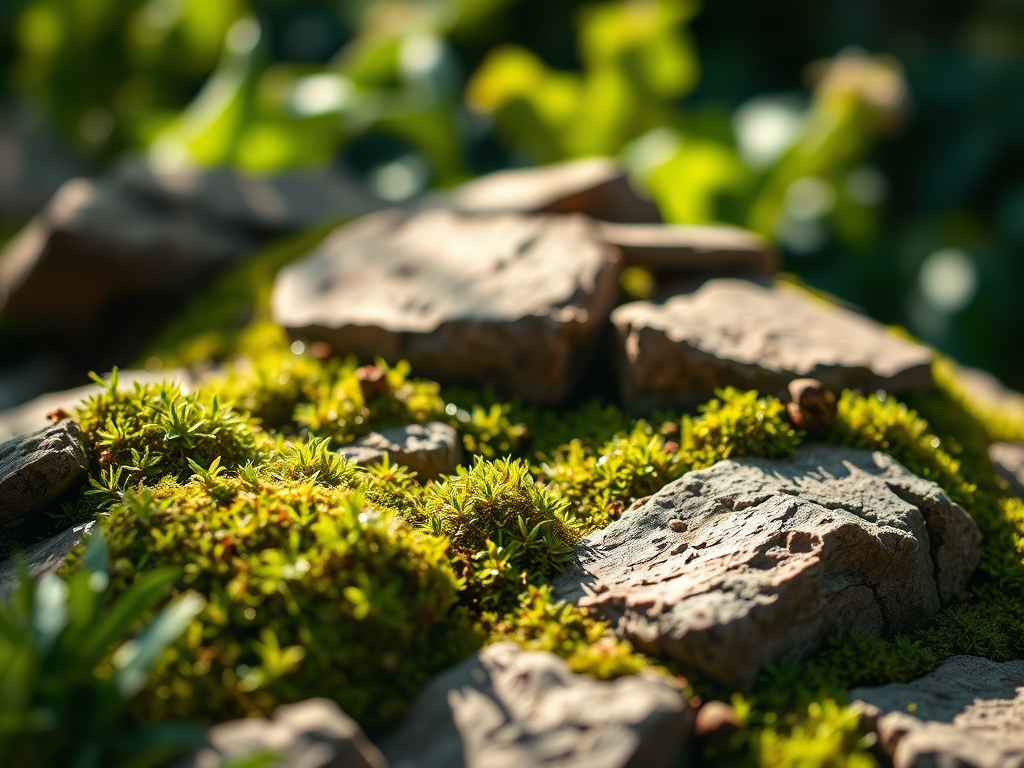
Damp earth releases a sharp, geosmin-heavy scent when the shovel first breaks the sod. The success of a rock garden depends entirely on the turgor pressure of your chosen alpines and the structural integrity of your substrate. To master the steps to build a rockery, you must move beyond aesthetic arrangement and focus on the hydrological demands of high-elevation flora. These plants require rapid drainage and high mineral content to prevent root rot in the rhizosphere. You are not merely placing stones; you are engineering a micro-environment that mimics a scree slope or mountain outcrop. Every stone must be seated deep enough to remain thermally stable, providing a cool root run while the foliage absorbs intense solar radiation. Precision in the initial excavation and the subsequent layering of drainage materials dictates whether your specimens thrive or succumb to crown rot within the first season.
Materials:
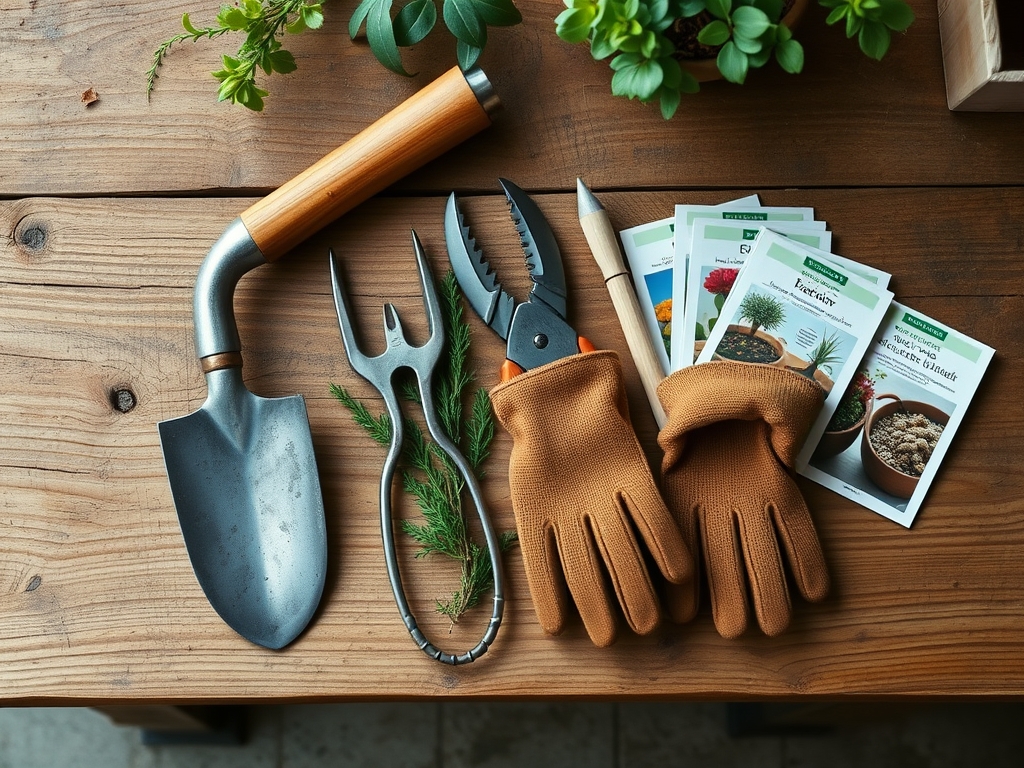
The foundation of a rockery is the substrate, which must be a **friable loam** mixed with high-porosity aggregates. Aim for a soil pH between **5.5 and 6.5** for most alpine species, though limestone-loving plants may require a shift toward **7.0 to 7.5**. Your primary growing medium should consist of one part sterilized topsoil, one part sharp horticultural grit, and one part composted leaf mold.
Nutrient management requires a low-nitrogen approach to prevent leggy, weak growth. Use a slow-release fertilizer with an NPK ratio of 5-10-10. High phosphorus levels encourage robust root development and floral initiation without compromising the plant's compact form. The Cation Exchange Capacity (CEC) of your mix should be moderate; enough to hold essential micronutrients like magnesium and iron, but porous enough to ensure water does not stagnate. Select weathered limestone, sandstone, or granite. Avoid mixing rock types, as this disrupts the geological consistency of the site.
Timing:
Successful installation depends on your USDA Hardiness Zone. In Zones 4 through 7, the ideal window for construction is early autumn or very early spring. This allows plants to establish a root system before the stress of summer heat or deep winter dormancy. The biological clock of alpine plants is triggered by the photoperiod and temperature fluctuations.
Most rockery species enter their vegetative stage as soil temperatures reach 50 degrees Fahrenheit. Planting during the "shoulder seasons" ensures that the transition from vegetative growth to reproductive stages (flowering) occurs under optimal moisture conditions. Avoid planting during the heat of mid-summer, as the high evapotranspiration rates will lead to cellular collapse and permanent wilting point before the roots can interface with the new soil.
Phases:
Sowing and Site Preparation
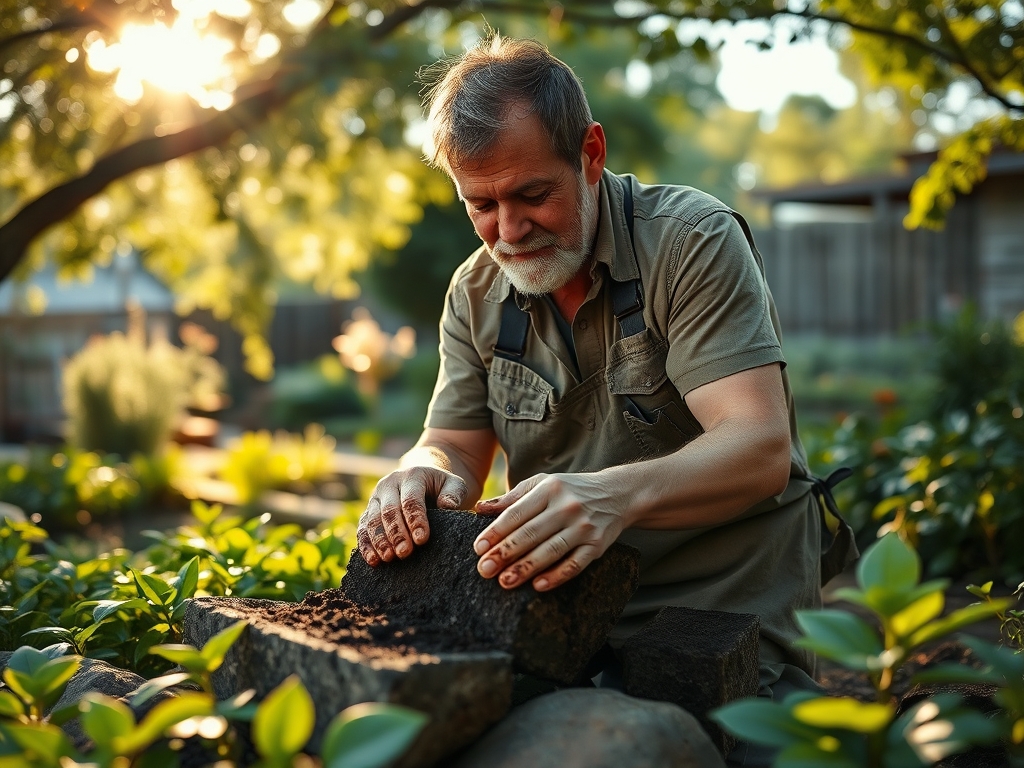
Clear all perennial weeds using a hori-hori knife to ensure the taproots are completely removed. Excavate the area to a depth of 12 inches. Fill the bottom 6 inches with coarse rubble or broken bricks to act as a drainage layer. Cover this with a permeable landscape fabric to prevent the fine soil particles from leaching into the drainage layer and clogging it.
Pro-Tip: Proper drainage prevents anaerobic conditions in the soil. Without oxygen, roots cannot perform cellular respiration, leading to a buildup of ethanol and subsequent root death.
Transplanting
Position your largest "keystone" rocks first, burying at least one-third of their volume below the soil line. This provides structural stability and mimics natural outcrops. When placing plants, tease the roots gently to encourage outward growth. Ensure the crown of the plant sits slightly higher than the surrounding soil to prevent water from pooling against the stem.
Pro-Tip: Utilize the principle of thigmotropism. Firming the soil around the roots provides the mechanical stimulus necessary for the plant to "anchor" itself, signaling the production of stronger structural tissues.
Establishing
After planting, apply a 1-inch layer of horticultural grit or gravel over the entire soil surface. This mulch layer serves three purposes: it suppresses weed germination, reflects excess heat away from the plant base, and prevents soil splashing onto the foliage, which reduces the transmission of fungal pathogens.
Pro-Tip: Mycorrhizal fungi inoculation during this phase improves the plant's ability to uptake phosphorus and water. This symbiotic relationship expands the effective root surface area by up to 100 times.
The Clinic:
Physiological disorders in a rockery often stem from moisture imbalances or nutrient lockout.
- Symptom: Yellowing of younger leaves while veins remain green (Interveinal Chlorosis).
- Solution: This indicates an Iron deficiency, often caused by high pH levels. Apply chelated iron to lower the localized pH and restore chlorophyll production.
- Symptom: Soft, blackened tissue at the base of the plant (Crown Rot).
- Solution: This is a result of excessive moisture. Improve drainage by adding more grit to the rhizosphere and reducing irrigation frequency.
- Symptom: Stunted growth and purple tinting on older leaves.
- Solution: Phosphorus deficiency. Apply a bone meal supplement or a high-phosphorus liquid feed to support ATP production and energy transfer.
- Fix-It for Nitrogen Chlorosis: If older leaves turn pale green or yellow uniformly, the plant is scavenging nitrogen for new growth. Apply a light dressing of blood meal to provide an immediate nitrogen boost.
Maintenance:
Rock gardens are low-maintenance but high-precision environments. Use a soil moisture meter to ensure the substrate remains at a "moist but not saturated" state. Most established rockery plants require approximately 1.5 inches of water per week, delivered directly at the drip line to avoid wetting the foliage.
Pruning should be performed with sharp bypass pruners to ensure clean cuts that heal quickly. Remove spent flower stalks (deadheading) to prevent the plant from diverting energy into seed production, which triggers senescence. In late winter, clear away any fallen leaves or debris that could harbor pathogens or cause "damping off" in the early spring.
The Yield:
If your rockery includes medicinal or culinary herbs like Thymus serpyllum (Creeping Thyme) or Lavandula angustifolia (Lavender), harvest timing is critical. Collect stems just as the flower buds begin to show color but before they fully open. This is when the essential oil concentration is at its peak.
Use a sharp knife to cut the top one-third of the growth. To maintain "day-one" freshness, place the stems in a cool, shaded area immediately. For long-term storage, hang them in small bundles in a well-ventilated space out of direct sunlight to preserve the volatile aromatic compounds.
FAQ:
What is the best soil for a rockery?
A mix of one part topsoil, one part grit, and one part organic matter is ideal. This ensures a high Cation Exchange Capacity while maintaining the rapid drainage necessary for alpine root health.
How deep should I bury the rocks?
Bury at least one-third to one-half of each rock. This provides structural stability, prevents shifting during freeze-thaw cycles, and creates a thermally stable environment for the roots underneath.
How often should I water a new rockery?
Newly transplanted specimens require frequent monitoring. Water whenever the top 0.5 inches of soil feels dry. Once established, most plants only need 1.5 inches of water per week during dry spells.
Can I build a rockery in the shade?
Yes, but you must select shade-tolerant species like Saxifraga or certain ferns. Most traditional alpine plants require at least six hours of direct sunlight to maintain their compact form and trigger flowering.