9 Vital Steps to Find Dog Friendly Greenery
Damp earth carries the scent of geosmin; it is the olfactory signature of a healthy rhizosphere. When you crush a leaf between your thumb and forefinger, the turgor pressure should resist the snap. This indicates a cellular structure saturated with water and nutrients. For the canine owner, this sensory evaluation must be coupled with botanical rigor. Implementing the correct steps to find dog friendly greenery requires moving beyond aesthetic appeal to analyze chemical profiles and structural integrity. You must identify species that lack toxic alkaloids or irritating saponins while maintaining a robust growth habit. This process begins with a soil analysis and ends with a curated selection of non-toxic cultivars. Every plant added to the landscape must serve a dual purpose: it must thrive in its specific microclimate and remain inert if ingested by a domestic animal. Horticulture is a discipline of precision; selecting the wrong specimen can disrupt the local ecology or compromise the safety of your home environment.
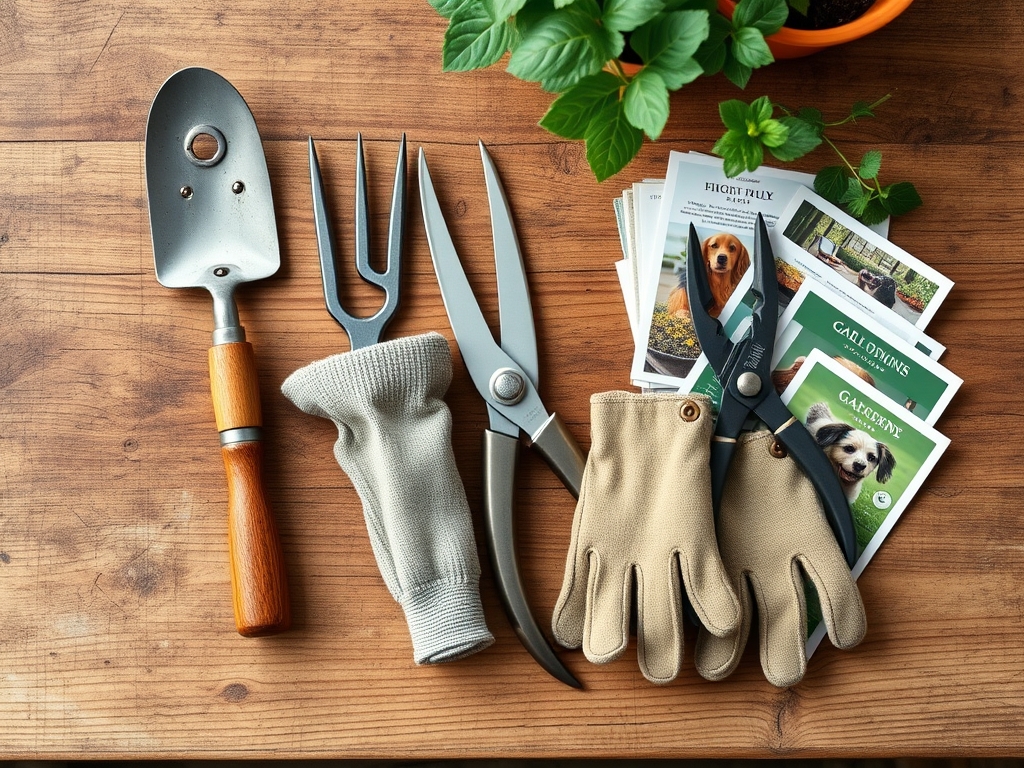
Materials:
The foundation of a safe garden is the substrate. You require a **friable loam** with a Cation Exchange Capacity (CEC) between **15 and 25 meq/100g**. This ensures the soil can retain essential nutrients like calcium and magnesium without leaching. The ideal soil pH for a broad range of dog-friendly species, such as *Nephrolepis exaltata* (Boston Fern) or *Chlorophytum comosum* (Spider Plant), is **6.0 to 7.0**.
For established perennials, utilize an NPK ratio of 10-10-10 to provide balanced support for root development and foliar health. If you are focusing on leafy greens or ornamental grasses, a higher nitrogen ratio of 20-10-10 encourages rapid vegetative growth. Avoid synthetic fertilizers with high concentrations of heavy metals or blood meal; the latter can attract dogs to dig in the root zone. Instead, incorporate organic matter with a carbon-to-nitrogen ratio of 30:1 to improve soil structure and microbial activity.
Timing:
Success is dictated by the United States Department of Agriculture (USDA) Hardiness Zones. Most dog-friendly ornamentals thrive in Zones 4 through 11, but planting windows are narrow. You must wait for the soil temperature to reach a consistent 60 degrees Fahrenheit before transplanting. This typically occurs two weeks after the last predicted frost date in your region.
The biological clock of the plant determines its resilience. During the vegetative stage, the plant focuses energy on biomass production through photosynthesis. As the photoperiod shifts and days shorten, the plant enters the reproductive stage or prepares for senescence. To ensure a dog-friendly landscape survives the winter, woody perennials must be established at least six weeks before the first hard freeze to allow for lignification of the stems.
Phases:
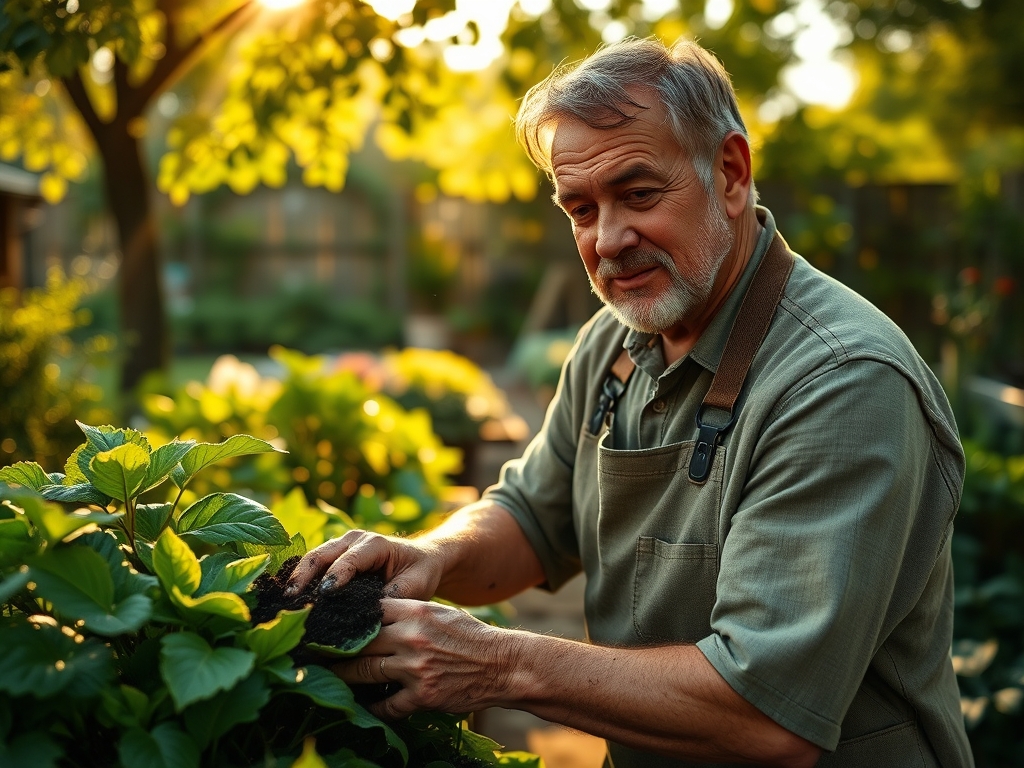
Sowing
Start seeds in a sterile medium to prevent "damping off" caused by fungal pathogens. Maintain a consistent moisture level without saturating the soil. For species like Zinnia, sow at a depth of 0.25 inches.
Pro-Tip: Monitor phototropism by rotating seed trays 180 degrees daily. This prevents the elongation of cells on the shaded side of the stem, ensuring a sturdy, upright seedling that can withstand a dog's physical contact.
Transplanting
When moving a plant from a container to the field, the hole must be twice as wide as the root ball but no deeper. Ensure the crown of the plant sits flush with the soil line to prevent stem rot.
Pro-Tip: Inoculate the planting hole with mycorrhizal fungi. This symbiotic relationship expands the root system's surface area; the fungi trade phosphorus for plant sugars, significantly increasing the plant's drought tolerance and nutrient uptake efficiency.
Establishing
The first 21 days are critical for root integration. Apply a 2-inch layer of untreated wood chips to regulate soil temperature and suppress weed competition.
Pro-Tip: Practice auxin suppression by pinching off the terminal buds on young plants. This disrupts apical dominance and forces the plant to redirect growth hormones to lateral buds, resulting in a bushier, more resilient specimen that is less likely to snap if bumped.
The Clinic:
Physiological disorders often mimic disease but are usually environmental.
Symptom: Interveinal chlorosis (yellowing between green veins) on new growth.
Solution: This indicates an Iron (Fe) deficiency, often caused by high soil pH locking up micronutrients. Lower the pH using elemental sulfur.
Symptom: Marginal leaf burn or necrosis on older foliage.
Solution: This suggests Potassium (K) deficiency. Apply a potassium sulfate supplement to restore osmotic regulation within the plant cells.
Symptom: Blossom end rot or stunted terminal growth.
Solution: This is a Calcium (Ca) deficiency. Check soil moisture levels; calcium is immobile and requires consistent transpiration to reach the plant's extremities.
Fix-It for Nitrogen Chlorosis: If the entire leaf turns pale green or yellow, apply a liquid seaweed extract or a high-nitrogen fish emulsion. Nitrogen is a mobile nutrient; the plant will pull it from old leaves to support new growth, causing the base of the plant to yellow first.
Maintenance:
Precision watering is the difference between a thriving garden and a fungal breeding ground. Provide 1.5 inches of water per week at the drip line. Avoid overhead irrigation to minimize leaf wetness, which reduces the risk of powdery mildew. Use a soil moisture meter to verify that the root zone is damp at a depth of 4 inches before re-watering.
For pruning, use sharpened bypass pruners to make clean, slanted cuts above a node. This promotes rapid callousing and prevents pathogens from entering the vascular system. When dividing overgrown perennials like Hosta (ensure the specific variety is non-toxic), use a hori-hori knife to slice through the dense rhizome mat. Always clean your tools with a 10 percent bleach solution between plants to prevent the cross-contamination of soil-borne viruses.
The Yield:
If your dog-friendly greenery includes edible herbs like Basil or Parsley, harvest in the early morning when essential oil concentration is at its peak. Use a sharp blade to remove no more than one-third of the plant's biomass at a time. This prevents the plant from entering a stress-induced dormant state.
Post-harvest handling is vital for freshness. Submerge the stems in 40-degree Fahrenheit water immediately. This maintains turgor pressure and slows the metabolic rate. For ornamental flowers, a diagonal cut under water prevents air embolisms from blocking the xylem, extending the vase life by several days.
FAQ:
How do I verify if a plant is dog-friendly?
Consult the ASPCA toxic plant database and cross-reference with the botanical Latin name. Common names are often misleading; always use the genus and species to confirm the chemical profile of the plant before installation.
What is the best mulch for a dog-friendly garden?
Use untreated cedar or hemlock chips. Avoid cocoa mulch, which contains theobromine, a compound toxic to canines. Ensure the mulch is spread to a depth of 3 inches to suppress weeds while allowing gas exchange in the soil.
Can I use pesticides in a dog-friendly space?
Focus on Integrated Pest Management (IPM). Use mechanical controls or horticultural oils that dissipate quickly. Avoid systemic insecticides, as these chemicals remain in the plant tissue and can be ingested by pets or beneficial pollinators.
Why are my plants dying despite regular watering?
Check for soil compaction or poor drainage. Saturated soil lacks oxygen, leading to anaerobic conditions and root rot. Use a garden fork to aerate the soil and improve the pore space for better gas exchange.