
10 Basic Steps to Foliar Feeding Spray
Leaf surfaces absorb nutrients faster than roots under certain conditions. When soil pH locks out iron, manganese, or zinc, or when plants demand rapid correction during flowering, the steps to foliar feeding spray deliver targeted nutrition through stomata and cuticle pathways. This technique bypasses root-zone limitations and provides immediate metabolic support. Growers apply diluted fertilizer solutions directly to foliage during early morning hours when stomatal apertures open widest. Absorption rates reach 90 percent within 24 hours for micronutrients like chelated iron, compared to 7-10 days for soil applications.
Materials
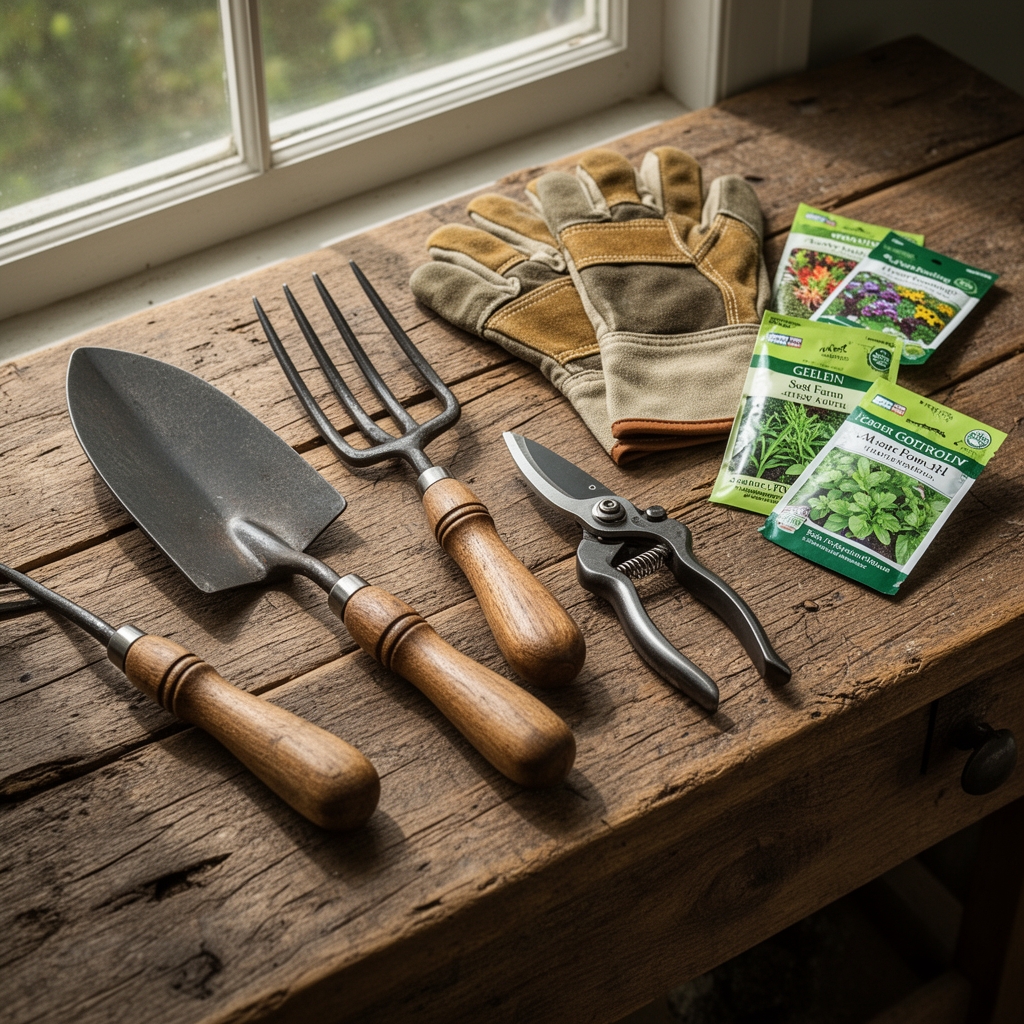
Select water-soluble fertilizers with NPK ratios matching growth stage requirements. Vegetative growth benefits from 3-1-2 formulations emphasizing nitrogen, while bloom phases require 1-3-2 ratios favoring phosphorus and potassium. Organic options include fish emulsion (5-1-1), kelp extract (1-0.5-2), and liquid bone meal (2-14-0). Synthetic choices offer precision: calcium nitrate (15.5-0-0 plus 19% calcium), monopotassium phosphate (0-52-34), and magnesium sulfate (Epsom salt, 10% Mg, 13% S).
pH meters calibrated to 0.1 precision ensure spray solutions fall within the 5.5-6.5 optimal range for maximum stomatal uptake. Solutions above pH 7.0 reduce absorption by 40 percent as calcium and magnesium precipitate. Surfactants reduce surface tension: add 0.1% non-ionic spreader-sticker (polyoxyethylene derivatives) or 1 teaspoon yucca extract per gallon. Avoid dish soap, which clogs stomata with residual fats.
Backpack or pump sprayers with adjustable brass nozzles create fine 100-micron droplets. Coarse sprays roll off waxy cuticles; aerosol-fine mists evaporate before absorption. Protective equipment includes nitrile gloves, safety glasses, and N95 respirators when handling concentrated salts.
Timing
Match foliar applications to hardiness zone frost windows and photoperiod. In Zones 3-5, begin sprays two weeks after last spring frost when soil temperatures reach 55°F. Zones 6-8 allow earlier starts, beginning mid-March. Zones 9-11 operate year-round with adjustments for monsoon or dry seasons.
Apply sprays during the first two hours after sunrise when humidity exceeds 60% and temperatures stay below 75°F. Stomata close as vapor pressure deficit increases past 1.5 kPa. Avoid midday applications; solutions evaporate in minutes, leaving salt crystals that burn leaf margins. Evening sprays risk fungal proliferation as moisture persists overnight without photosynthetic drying.
Lunar cycles influence nutrient transport. Apply nitrogen-rich sprays during waxing moon phases (new to full) when auxin distribution favors upward vegetative growth. Schedule potassium and phosphorus applications during waning phases (full to new) when plants prioritize root development and fruit maturation.
Phases

Sowing: Seedlings with 2-4 true leaves tolerate quarter-strength solutions (250-500 ppm nitrogen). Spray undersides of cotyledons where stomatal density peaks. Kelp extract at 1 tablespoon per gallon provides cytokinins that accelerate cell division. Avoid high-nitrogen formulas; excess vegetative push delays root establishment.
Pro-Tip: Inoculate seed trays with Trichoderma harzianum at 10^6 CFU per liter before first foliar feeding. The fungus colonizes leaf surfaces, suppressing Botrytis cinerea and Alternaria spores by 65%.
Transplanting: Begin full-strength foliar feeds (1000-1500 ppm) one week post-transplant. Focus on lower canopy leaves where cation exchange capacity in older tissue maximizes calcium and magnesium uptake. Calcium foliar sprays (200 ppm from calcium chloride) prevent blossom-end rot in tomatoes and peppers. Apply twice weekly during fruit set.
Pro-Tip: Prune lateral shoots at 45-degree angles immediately after foliar feeding. Cut surfaces absorb residual solution, accelerating wound callusing by 30%.
Establishing: Mature plants in full production require biweekly maintenance sprays. Alternate between micronutrient blends (iron EDTA at 50 ppm, manganese sulfate at 25 ppm, zinc sulfate at 15 ppm) and macronutrient boosters. Foliar potassium silicate (0-0-3 plus 7% Si) at 3 ml per gallon strengthens cell walls, reducing lodging in grains and reducing aphid feeding by 40%.
Pro-Tip: Add 0.5% humic acid to foliar sprays during heat stress (above 85°F). Humates chelate nutrients and increase cuticle permeability by 22%.
Troubleshooting
Symptom: Leaf tip burn with brown crispy margins appearing 12 hours post-spray.
Solution: Reduce concentration by 50%. Salt index exceeded cuticle tolerance. Rinse foliage with pure water within 4 hours of next application.
Symptom: White powdery residue on leaf surfaces.
Solution: Hard water calcium deposits or undissolved fertilizer. Switch to distilled or reverse-osmosis water. Add 1 tablespoon citric acid per gallon to lower pH and improve solubility.
Symptom: Yellowing between veins (interveinal chlorosis) persists after iron sprays.
Solution: Manganese or zinc deficiency, not iron. Apply chelated manganese (Mn-EDTA) at 0.5 lb per 100 gallons. Retest tissue after 10 days.
Symptom: Sticky honeydew coating with black sooty mold.
Solution: Aphid or whitefly infestation. Add insecticidal soap (potassium salts of fatty acids) at 2% to foliar spray. Targets soft-bodied insects without harming mycorrhizal fungi.
Symptom: Leaf curl and distortion after spray.
Solution: Herbicide contamination in sprayer or surfactant overdose. Flush equipment with ammonia solution (1 cup per gallon) three times. Use dedicated foliar-only sprayers.
Maintenance
Apply 0.5 inches of water immediately after foliar feeding to wash excess solution into root zones. This recovers 15-20% of applied nutrients. Schedule sprays every 7-10 days during active growth, every 14 days during dormancy. Rotate formulations monthly to prevent micronutrient lockout. Test leaf tissue every 60 days to track nitrogen (2.5-4.0% dry weight), phosphorus (0.3-0.5%), and potassium (1.5-3.0%).
Clean sprayer tanks with 10% vinegar solution after each use. Calcium and salt buildups clog filters and nozzles. Store concentrated fertilizers in opaque containers below 70°F to prevent nitrogen volatilization.
FAQ
How often should I apply foliar feeding spray?
Every 7-10 days during vegetative and flowering stages. Reduce to every 14 days during fruiting to avoid excess vegetative growth.
Can I mix foliar fertilizers with pesticides?
Test compatibility first. Mix small batches; watch for precipitation or flocculation. Many fungicides alter pH and reduce nutrient uptake.
What concentration is safe for seedlings?
One-quarter label rate, typically 250 ppm nitrogen. Full concentration burns tender tissue and causes osmotic stress.
Do foliar sprays replace soil fertilization?
No. Foliar feeds supplement, not substitute. Macronutrient demands exceed foliar absorption capacity. Use sprays for micronutrient correction and rapid response.
Why do my plants wilt after spraying?
Solution was too concentrated, applied during heat, or pH was incorrect. Spray only when temperatures are below 75°F and dilute by 25%.