5 Quick Steps to Fix Alkaline Soil
Alkaline soil locks out iron, manganese, and phosphorus at the root zone, turning rhodedendron leaves yellow and stunting blueberry production even when fertilizer flows freely. Gardeners facing pH readings above 7.5 watch their acid-loving crops fail while calcium carbonates bind essential micronutrients into insoluble compounds. The steps to fix alkaline soil require precision measurement, sulfur chemistry, and organic matter integration over multiple growing seasons. These methods restore cation exchange capacity and lower pH to the 6.0–6.8 range where most vegetable and ornamental species thrive.
Materials
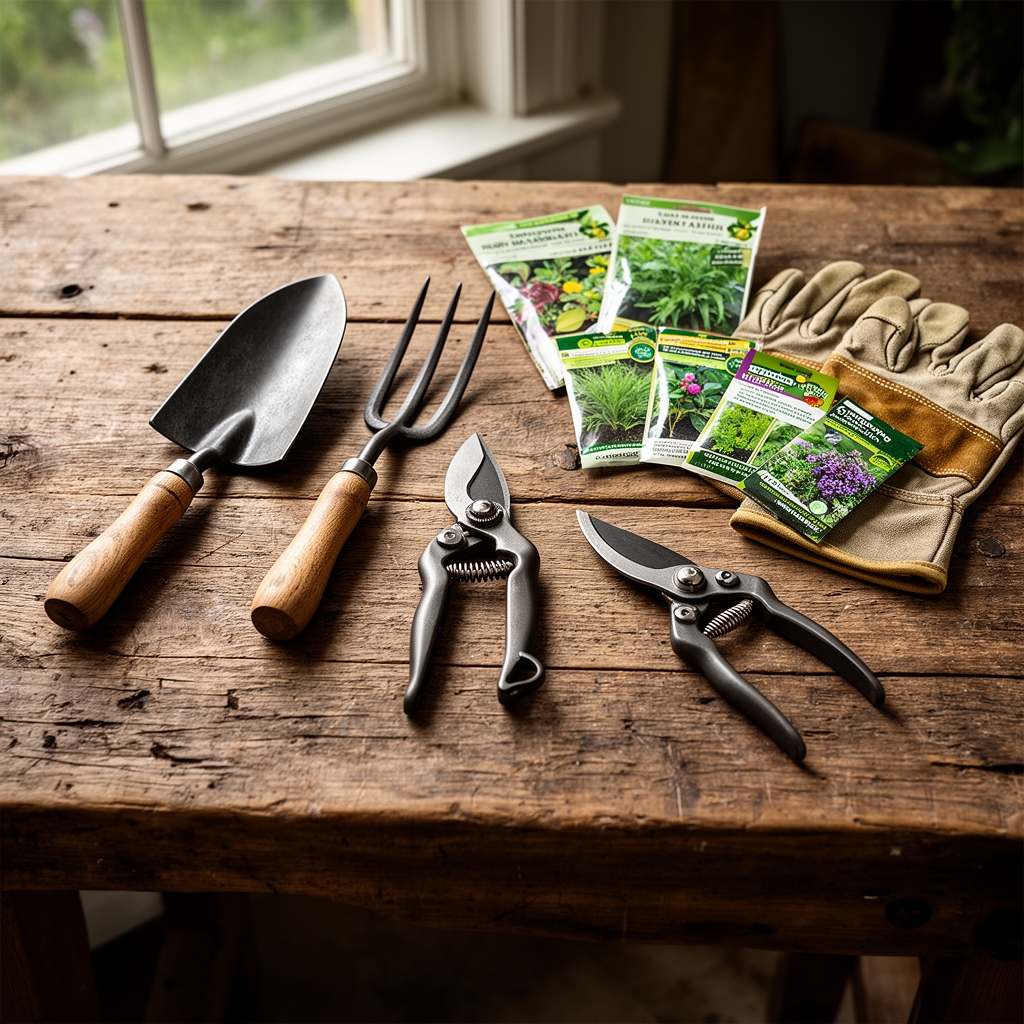
Begin with a calibrated digital pH meter accurate to 0.1 units, not litmus strips. Elemental sulfur powder (90% purity minimum) acts as the primary acidifier, with microbial action converting it to sulfuric acid over 4–8 weeks. Apply 1–2 pounds of sulfur per 100 square feet to drop pH by one full point in loam soils; clay requires 50% more due to buffering capacity.
Sphagnum peat moss (pH 3.5–4.5) contributes both acidity and organic matter at 2–4 cubic feet per 100 square feet. Avoid sedge peat, which contains excessive calcium. Composted pine bark (pH 4.0–5.0) offers slower acidification with better drainage structure than peat alone.
Ammonium sulfate fertilizer (21-0-0) provides nitrogen while generating acidity as soil bacteria convert ammonium to nitrate, releasing hydrogen ions. Apply at 2 pounds per 100 square feet for dual pH reduction and nutrient delivery. Cottonseed meal (6-2-1) supplies slow-release nitrogen in acidic form for organic systems. Iron sulfate (ferrous sulfate) addresses iron chlorosis immediately while contributing to long-term pH adjustment at 3–5 pounds per 100 square feet. Mycorrhizal inoculant enhances phosphorus uptake in newly acidified soils where fungal networks must reestablish.
Timing
In Hardiness Zones 3–6, apply sulfur amendments 8–10 weeks before spring planting, typically late February through March, allowing microbial conversion before root establishment. Fall application (September through October) provides 6–7 months of reaction time before the following growing season.
Zones 7–9 permit year-round application except during drought or when soil temperatures exceed 85°F, which inhibits beneficial bacterial activity. Southern gardeners target November through January when soil moisture remains consistent and microbial populations stay active. Zone 10 requires splitting applications into smaller doses every 8 weeks due to rapid leaching in sandy soils and year-round biological activity.
Avoid sulfur application within 3 weeks of lime addition, as the compounds neutralize each other. Wait 4–6 weeks after sulfur incorporation before measuring pH again, as premature testing captures incomplete reactions.
Phases

Sowing
Broadcast elemental sulfur evenly across the target area using a calibrated spreader set to 2 pounds per 100 square feet for a one-point pH drop. Incorporate to 6 inches depth with a rototiller or broadfork within 2 hours of application to prevent wind loss and accelerate soil contact. Water immediately with 1 inch to initiate microbial sulfur oxidation by Thiobacillus bacteria.
Mix sphagnum peat moss into the top 8 inches at 3 cubic feet per 100 square feet for raised beds or containerized plantings. Peat integration improves water retention while buffering against future pH drift.
Pro-Tip: Inoculate sulfur-treated soil with Acidithiobacillus thiooxidans culture to accelerate conversion rates by 40%, reducing waiting time from 8 weeks to 5 weeks in temperatures above 60°F.
Transplanting
Test pH at multiple points across the treated area 6 weeks post-application. Target readings should fall between 6.2–6.8 for most crops. Transplant acid-preferring species like blueberries, azaleas, or potatoes when pH stabilizes below 6.5.
Create planting holes 50% wider than root balls and backfill with a blend of native soil (60%), composted pine bark (30%), and sulfur-coated urea (10%) to maintain acidity in the immediate root zone. Position transplants at the same depth as container soil lines to prevent crown rot in newly amended beds.
Pro-Tip: Apply aluminum sulfate at 1 pound per shrub for rapid pH adjustment within 7–10 days when transplanting cannot wait for elemental sulfur conversion, though this provides temporary results lasting only one season.
Establishing
Monitor soil moisture at 3–4 inches depth, maintaining consistent dampness without saturation as roots extend into amended zones. Auxin distribution at root tips responds to moisture gradients, directing growth into acidified areas. Apply 2 inches of pine needle mulch or shredded oak leaf mulch to maintain surface acidity and reduce evaporation.
Side-dress with cottonseed meal at 1 pound per 25 square feet every 6 weeks during active growth, providing sustained nitrogen while reinforcing acidic conditions. Avoid wood ash, which contains potassium carbonate and re-alkalizes soil.
Pro-Tip: Inject chelated iron (Fe-EDDHA) at 3 ounces per gallon as a foliar spray every 14 days during establishment to reverse chlorosis while root zones acclimate to new pH levels.
Troubleshooting
Symptom: Interveinal chlorosis on new growth despite pH correction.
Solution: Manganese deficiency persists when pH remains above 6.8. Apply manganese sulfate at 2 ounces per 100 square feet and retest soil pH at 4 inches depth where feeder roots concentrate.
Symptom: Phosphorus deficiency with purple leaf undersides in tomatoes or peppers.
Solution: Calcium phosphate remains insoluble above pH 7.2. Apply monoammonium phosphate (11-52-0) at 1 pound per 100 square feet for immediately available phosphorus while sulfur continues to work.
Symptom: Stunted root growth with blackened tips.
Solution: Aluminum toxicity occurs when pH drops below 5.5 in some soils. Add dolomitic limestone at 5 pounds per 100 square feet to raise pH to 6.0 and precipitate excess aluminum.
Symptom: White salt crust forming on soil surface.
Solution: Sodium accumulation from irrigation water exacerbates alkalinity. Apply gypsum (calcium sulfate) at 10 pounds per 100 square feet to displace sodium through cation exchange without raising pH.
Symptom: Fertilizer burn on leaf margins despite proper dosing.
Solution: Excessive sulfur application creates sulfuric acid concentrations that damage root membranes. Flush with 3 inches of water and skip the next scheduled sulfur treatment.
Maintenance
Retest pH every 12 months using composite samples from 6–8 locations at 4–6 inches depth. Alkaline drift occurs naturally in arid regions where calcium-rich groundwater dominates. Maintenance applications of 0.5–1 pound sulfur per 100 square feet annually prevent pH creep above 7.0.
Water deeply to 8 inches once per week rather than shallow daily irrigation, which concentrates alkaline salts at the surface. Drip irrigation reduces pH fluctuation compared to overhead sprinklers that introduce municipal water high in bicarbonates.
Add 1–2 inches of composted pine bark mulch each spring to sustain organic acid release from lignin decomposition. Avoid hardwood bark mulches, which trend neutral to slightly alkaline. Continue ammonium-based fertilizers (ammonium sulfate 21-0-0 or urea 46-0-0) rather than nitrate forms, which produce alkaline residues as plants absorb nitrogen.
FAQ
How long does sulfur take to lower pH?
Elemental sulfur requires 4–8 weeks for soil bacteria to oxidize it into sulfuric acid. Aluminum sulfate and iron sulfate produce results in 7–10 days but cost three times more and offer shorter-lasting effects.
Can I use vinegar to acidify soil?
Vinegar provides temporary pH reduction lasting 48–72 hours before microbial degradation neutralizes acetic acid. Use only for emergency foliar sprays at 1 tablespoon per gallon, never as a soil amendment.
What pH do tomatoes need?
Tomatoes perform best at pH 6.2–6.8. Below 6.0, aluminum and manganese toxicity risks increase. Above 7.0, iron and phosphorus availability drops by 60%.
Will coffee grounds lower pH?
Fresh coffee grounds measure pH 6.5–6.8 and provide minimal acidification. Used grounds after brewing contain even less acidity. Apply sulfur for measurable results.
How much sulfur per square foot?
Apply 0.1–0.2 pounds of elemental sulfur per 10 square feet (1–2 pounds per 100 square feet) to reduce pH by one full point in loam soils. Sandy soils need 25% less; clay soils require 50% more.