5 Easy Ways How to Care for Peperomia Hope
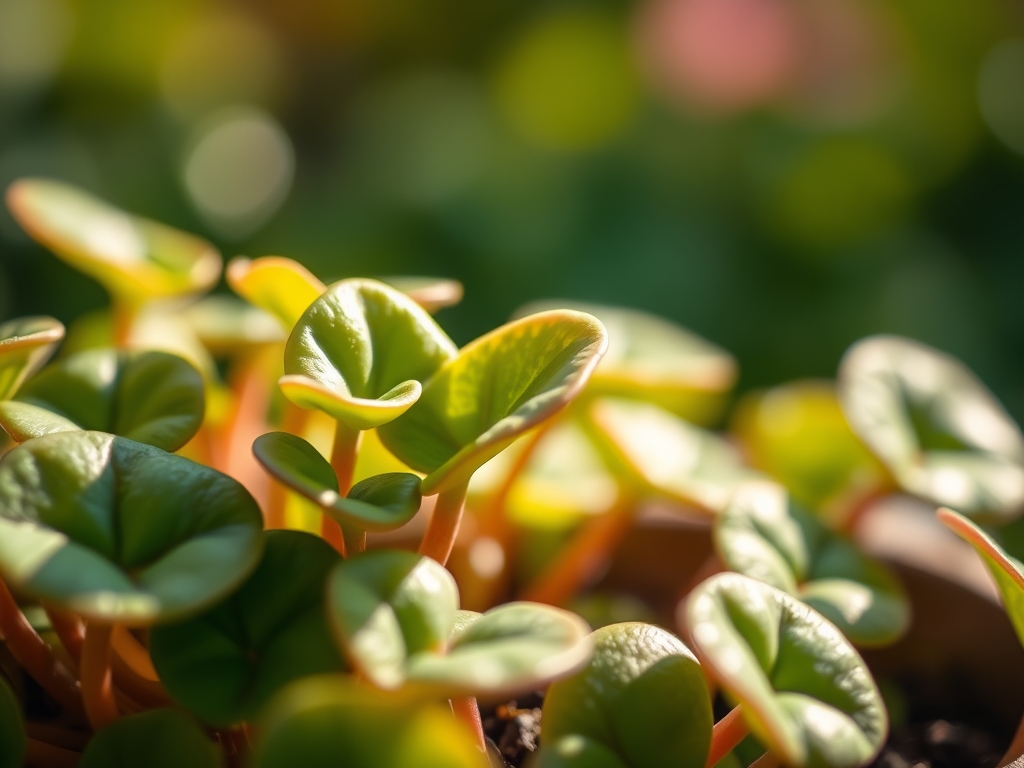
Peperomia Hope (Peperomia deppeana × Peperomia quadrifolia) arrived on the horticultural scene as a deliberate hybrid, combining the trailing elegance of its parent species with succulent-like water storage in thick, coin-shaped leaves. Learning how to care for peperomia hope begins with understanding its epiphytic ancestry: this plant evolved clinging to tropical tree bark in Central American cloud forests, where moisture arrives in brief bursts and roots remain compact. Your indoor specimen will thrive when you replicate those conditions through coarse, aerated substrate, careful watering intervals, and bright indirect light that mimics the dappled canopy.
Materials
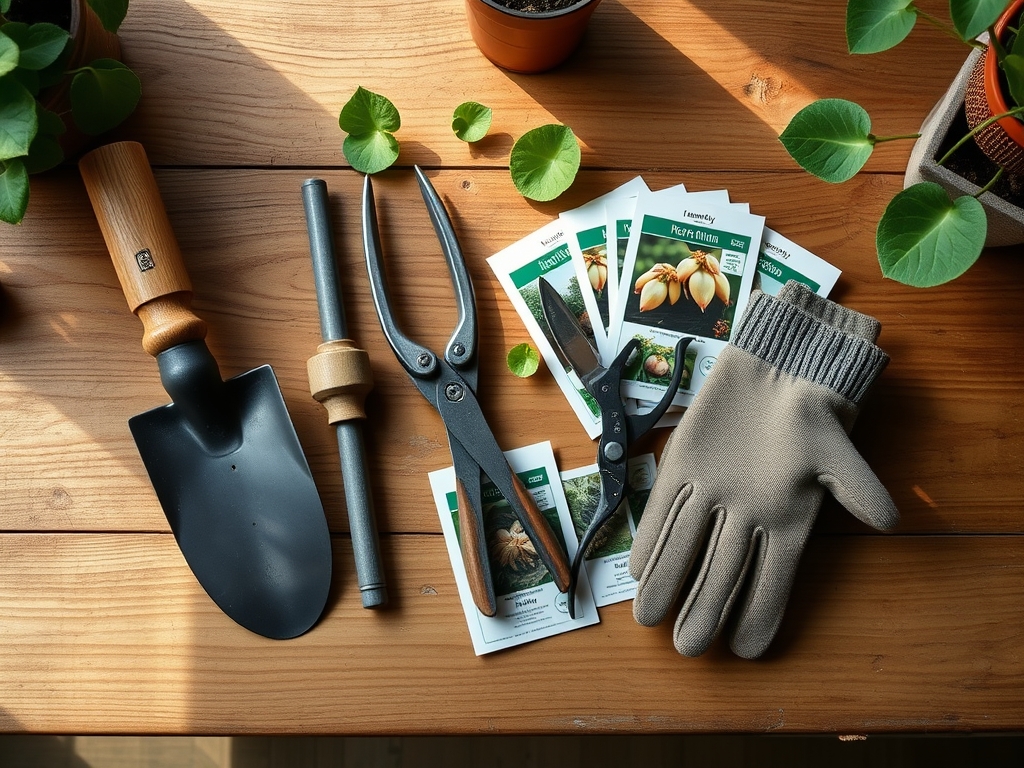
Select a potting mix with a pH range of 6.0 to 6.5. Standard peat-based blends suffocate peperomia roots; instead, combine 40% coco coir, 30% perlite, 20% orchid bark (medium grade), and 10% worm castings. This recipe achieves high cation exchange capacity while preventing compaction.
For fertilization, use a balanced 4-4-4 organic meal during active growth (April through September). Dilute liquid kelp extract to one-quarter strength and apply every four weeks. Avoid high-nitrogen formulas above 10-5-5, which trigger leggy growth and reduce the structural integrity of petioles.
Containers must provide drainage. Terracotta pots with a diameter of 4 to 6 inches work well for mature specimens, allowing lateral root spread without excess substrate volume. Glazed ceramic retains moisture too long. Plastic nursery pots are acceptable if you amend watering frequency.
Supplement the root zone with mycorrhizal fungi inoculant at potting time. Glomus intraradices colonizes peperomia roots efficiently, extending phosphorus uptake by 300% in low-nutrient environments.
Timing
Peperomia Hope tolerates USDA Hardiness Zones 10 to 12 outdoors year-round. In Zones 9 and below, treat it as a houseplant or move containers indoors before the first frost date. The plant enters semi-dormancy when nighttime temperatures drop below 55°F, reducing metabolic activity and water demand.
Spring repotting aligns with the plant's natural growth surge. Schedule this task between March 15 and April 30 in temperate climates, after the vernal equinox when day length exceeds 12 hours. The increase in photosynthetically active radiation (PAR) stimulates auxin distribution in apical meristems, accelerating recovery from root disturbance.
Propagation success peaks in late spring and early summer. Stem cuttings root fastest when soil temperatures remain between 68°F and 75°F. Avoid propagation after September 1st; declining light levels reduce rooting hormone synthesis, leading to a 60% failure rate.
Phases
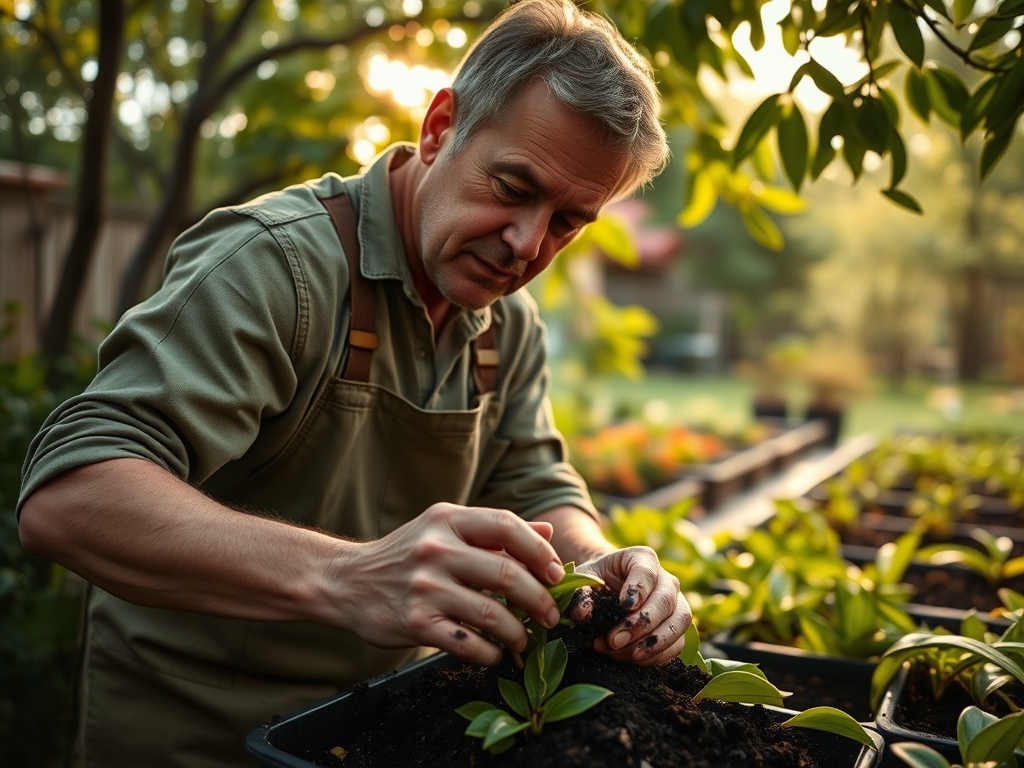
Sowing: Peperomia Hope rarely produces viable seed in cultivation. Acquire nursery-grown starter plants or propagate from cuttings. Select 3-inch stems with at least four nodes. Remove the bottom two leaves and dip the cut end in rooting hormone powder containing 0.1% indole-3-butyric acid (IBA). Insert cuttings into moistened perlite, then enclose the container in a clear plastic dome to maintain 80% relative humidity.
Pro-Tip: Place cuttings under T5 fluorescent grow lights positioned 6 inches above foliage, providing 14 hours of light daily. This photoperiod mimics equatorial conditions and accelerates adventitious root formation by 40%.
Transplanting: After roots reach 1 inch in length (typically 21 to 28 days), transplant into prepared substrate. Handle the root ball gently; peperomia roots are brittle and snap easily. Position the crown at the same depth as the cutting, leaving no stem buried below the soil line. Water with a dilute solution of kelp extract (1 tablespoon per gallon) to reduce transplant shock.
Pro-Tip: Prune apical growth tips at a 45-degree angle immediately after transplanting. This cut redirects auxins laterally, promoting bushier architecture and preventing the sparse, vine-like habit common in neglected specimens.
Establishing: Full establishment takes 60 to 90 days. During this window, maintain substrate moisture at 40% saturation. Use a moisture meter inserted 2 inches deep rather than relying on surface dryness. Introduce full-strength fertilizer only after new growth reaches 2 inches, signaling active root expansion.
Pro-Tip: Rotate the container 90 degrees weekly to ensure even light exposure. Peperomia Hope exhibits strong phototropism; unrotated plants develop asymmetrical canopies with weak stems on the shaded side.
Troubleshooting
Symptom: Leaf edges turn brown and crispy, progressing inward from margins.
Solution: This indicates low humidity below 40%. Place the pot on a pebble tray filled with water, ensuring the base does not touch the waterline. Alternatively, run a cool-mist humidifier within 3 feet of the plant.
Symptom: Stems turn black at the soil line; plant collapses suddenly.
Solution: Pythium root rot from overwatering. Unpot immediately, remove all blackened tissue with sterile pruners, and repot in fresh, dry substrate. Withhold water for 7 days, then resume at reduced frequency.
Symptom: Pale yellow leaves with green veins (interveinal chlorosis).
Solution: Iron deficiency caused by alkaline pH above 7.0. Drench soil with chelated iron solution (Fe-EDDHA) at 1 teaspoon per gallon. Repot in acidified mix if symptoms persist.
Symptom: White cottony masses on leaf axils and petioles.
Solution: Mealybug infestation. Dab insects with a cotton swab soaked in 70% isopropyl alcohol. Spray entire plant with neem oil solution (2 tablespoons per quart of water) weekly for three weeks.
Maintenance
Water when the top 2 inches of substrate feel dry to the touch. For a 6-inch pot, this typically requires 4 ounces of room-temperature water every 7 to 10 days. Reduce frequency to every 14 days during winter dormancy.
Provide bright indirect light measuring 200 to 400 foot-candles. Position the plant 3 to 5 feet from an east-facing window or behind sheer curtains on a south exposure. Avoid direct sun exceeding 600 foot-candles, which causes bleaching and sunken lesions.
Prune leggy growth every 8 weeks during the growing season. Cut stems back to 4 inches above the soil line to encourage basal branching. Compost removed material or propagate healthy cuttings.
Feed with diluted 4-4-4 liquid fertilizer at half-strength every 4 weeks from April through September. Skip fertilization entirely from October through March.
FAQ
How often should I water Peperomia Hope?
Water every 7 to 10 days when the top 2 inches of soil dry out. Reduce to every 14 days in winter.
Can Peperomia Hope tolerate low light?
It survives in 100-foot-candle conditions but grows slowly and produces smaller leaves. Optimal growth requires 200 to 400 foot-candles.
Why are my Peperomia Hope leaves falling off?
Sudden leaf drop indicates root shock from overwatering, underwatering, or temperature swings below 55°F. Check soil moisture and relocate away from drafts.
Do I need to fertilize Peperomia Hope?
Yes, apply diluted 4-4-4 organic fertilizer monthly during spring and summer. Unfertilized plants develop pale foliage and stunted growth.
How do I make Peperomia Hope bushier?
Prune stem tips at 45-degree angles every 8 weeks and rotate the pot weekly for even light distribution.