9 Vital Steps to Grow Rabbit Foot Ferns
Damp peat moss and the sharp, metallic scent of wet perlite signal a high-functioning growing environment. When you press a healthy Davallia fejeensis frond, the turgor pressure should feel firm and resilient. Mastering the steps to grow rabbit foot ferns requires a shift from casual gardening to precise botanical management. These epiphytic specimens do not function like standard terrestrial plants; they rely on specialized rhizomes for moisture regulation and nutrient storage. Success depends on maintaining a steady state of humidity and substrate aeration.
Materials:
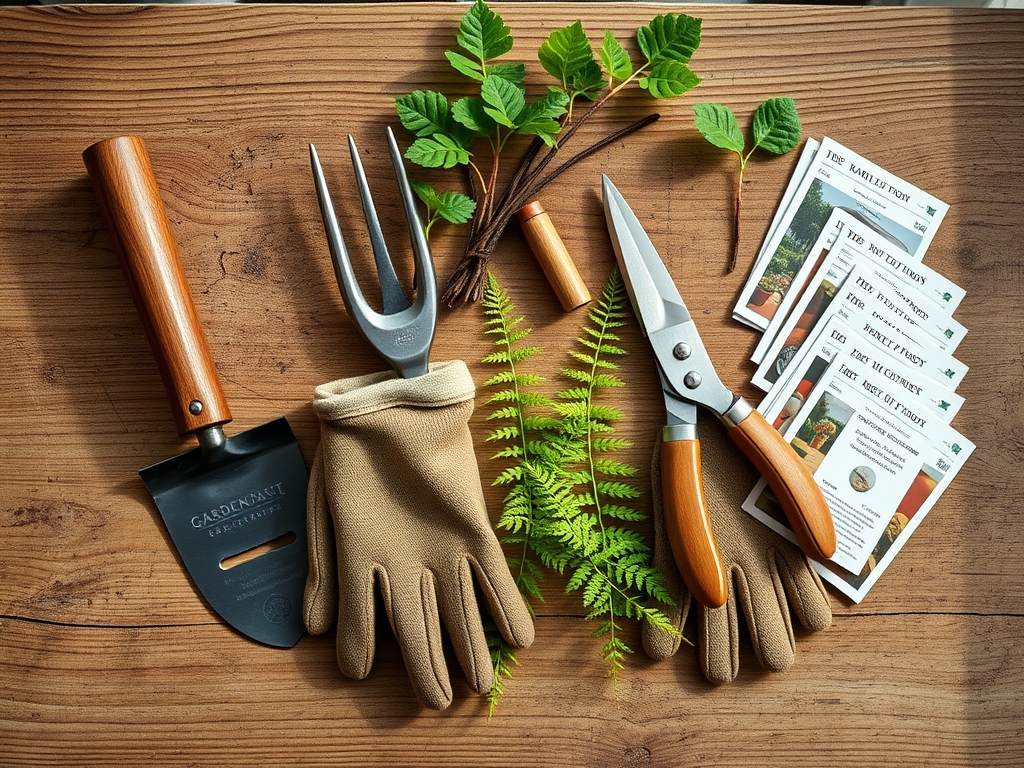
The substrate must be a friable loam with high porosity to prevent anaerobic conditions in the rhizosphere. Target a soil pH between 5.5 and 6.5 to optimize nutrient availability. Standard potting soil is too dense and will lead to root senescence. Use a mixture of 60 percent peat moss or coconut coir, 30 percent perlite, and 10 percent chopped sphagnum moss.
Nutrient requirements are specific. During the active growing season, utilize a water-soluble fertilizer with an NPK ratio of 20-10-20. This provides the nitrogen necessary for frond development while the potassium supports cellular wall strength. Avoid fertilizers with high urea content as these can burn the sensitive, fuzzy rhizomes. Ensure your containers have adequate drainage holes; terracotta is preferred for its gas exchange properties.
Timing:
Rabbit foot ferns are hardy in USDA Zones 9 through 11. In these regions, they can remain outdoors year-round if temperatures stay above 55 degrees Fahrenheit. In cooler climates, the biological clock dictates a transition to semi-dormancy when light levels drop in autumn.
The primary vegetative growth phase occurs between March and September. During this window, the plant increases its metabolic rate and requires consistent hydration. As the photoperiod shortens in late October, the fern enters a maintenance phase. Growth slows significantly. Do not attempt major propagation or repotting during this period, as the plant lacks the auxiliary energy to repair tissue damage before the onset of winter physiological stress.
Phases:

Sowing and Rhizome Placement
Unlike flowering plants, ferns produce spores, but the most efficient way to execute the steps to grow rabbit foot ferns is through rhizome division. Select a healthy section of rhizome at least 3 inches long with at least one or two fronds attached. Secure the rhizome to the surface of the substrate using U-shaped florist pins. Do not bury the rhizome; it must remain exposed to air to prevent rot.
Pro-Tip: Maintaining surface contact rather than burial prevents the suppression of gas exchange. Epiphytic plants have evolved to utilize atmospheric moisture; burying the rhizome triggers a rapid decline in oxygen levels at the cellular level, leading to tissue necrosis.
Establishing the Root System
During the first 21 to 30 days, focus on high humidity. Place the container in a location with indirect light measuring between 100 and 200 foot-candles. Use a fine misting bottle to keep the fuzzy rhizomes damp but not saturated. The development of new "fuzz" or scales on the rhizome tips indicates successful establishment.
Pro-Tip: High humidity reduces the vapor pressure deficit between the leaf surface and the air. This allows the plant to maintain turgor pressure without an established root system, as it prevents excessive transpiration through the stomata.
Transplanting and Scaling
Once the rhizomes begin to creep over the edge of the pot, typically after 12 to 18 months, consider moving the plant to a larger vessel or a hanging basket. Use a hori-hori knife to gently loosen the root ball if it has become slightly pot-bound. Ensure the new container is only 1 to 2 inches wider than the previous one to avoid excess soil volume, which can hold too much water and cause "sour" soil.
Pro-Tip: Small incremental increases in pot size manage the Cation Exchange Capacity (CEC) of the soil more effectively. A massive volume of unused soil can lead to salt buildup from fertilizers, which eventually desiccates the delicate root hairs through osmotic pressure.
The Clinic:
Physiological disorders in Davallia fejeensis often manifest as visible changes in the fronds or rhizomes.
Symptom: Nitrogen Chlorosis.
Observation: Older fronds turn a uniform pale yellow while new growth remains green.
Solution: Apply a balanced 20-20-20 fertilizer at half strength. Nitrogen is a mobile nutrient; the plant moves it from old leaves to support new growth when soil levels are depleted.
Symptom: Rhizome Rot.
Observation: The fuzzy rhizomes feel mushy or appear black and slimy.
Solution: Immediately reduce watering frequency. Use bypass pruners to remove necrotic tissue. Improve airflow by placing a small fan nearby to increase evaporation at the soil surface.
Symptom: Low Humidity Desiccation.
Observation: Leaf tips turn brown and brittle; the "rabbit feet" feel dry and stiff.
Solution: Increase ambient humidity to at least 60 percent. Utilize a pebble tray or a dedicated humidifier. Check the substrate with a soil moisture meter to ensure the core is not bone dry.
Maintenance:
Precision is required for long-term health. Provide approximately 1.5 inches of water per week, distributed evenly across the substrate surface. Do not pour water directly onto the center of the fern crown; instead, water the perimeter of the pot. Use a soil moisture meter to ensure the top inch of soil is dry before re-watering.
Pruning should be minimal. Use sterilized bypass pruners to remove spent fronds at the base of the rhizome once they reach the stage of senescence. This prevents the accumulation of dead organic matter, which can attract fungus gnats. Every six months, flush the substrate with distilled water to leach out accumulated mineral salts that can interfere with the plant's ability to absorb water.
The Yield:
While rabbit foot ferns are not edible, their "yield" is measured in the expansion of the rhizome colony. For propagation, harvest rhizome segments during the spring equinox. Use a sharp blade to make clean cuts. Treat the wound with a light dusting of cinnamon or an anti-fungal powder to prevent infection. Keep the harvested segments in a high-humidity "prop box" at 70 to 75 degrees Fahrenheit to ensure rapid callus formation and new bud initiation.
FAQ:
Why are my rabbit foot fern leaves falling off?
Leaf drop is usually caused by extreme soil dryness or sudden temperature fluctuations. Ensure the ambient temperature stays above 55 degrees Fahrenheit and the substrate remains consistently moist but not waterlogged to maintain cellular turgor.
How much light does a rabbit foot fern need?
They require bright, indirect light. Avoid direct midday sun, which causes chlorophyll degradation and leaf scorch. A north or east-facing window providing 100 to 200 foot-candles is ideal for maintaining deep green pigmentation.
Can I grow rabbit foot ferns in a terrarium?
Yes, they thrive in terrariums due to the high humidity. However, you must provide a very chunky, well-draining substrate like orchid bark or coarse perlite to prevent the rhizomes from rotting in the enclosed, high-moisture environment.
How do I clean the fuzzy rhizomes?
Do not use water or soap to clean the rhizomes. Use a soft, dry brush to gently remove dust or debris. The "fur" is a specialized structure for moisture absorption; keeping it clear of dust ensures optimal atmospheric gas exchange.