10 Basic Steps to Pickle Garden Veggies
The snap of a just-picked cucumber, still warm from the August sun, marks the beginning of a preservation ritual that transforms raw harvest into shelf-stable nutrition. The steps to pickle garden veggies require precision in acid ratios, temperature control, and timing to prevent botulism while maintaining crunch and flavor. What begins in the garden soil ends in a brine solution that alters cellular structure through osmotic pressure and acid penetration.
Materials and Equipment
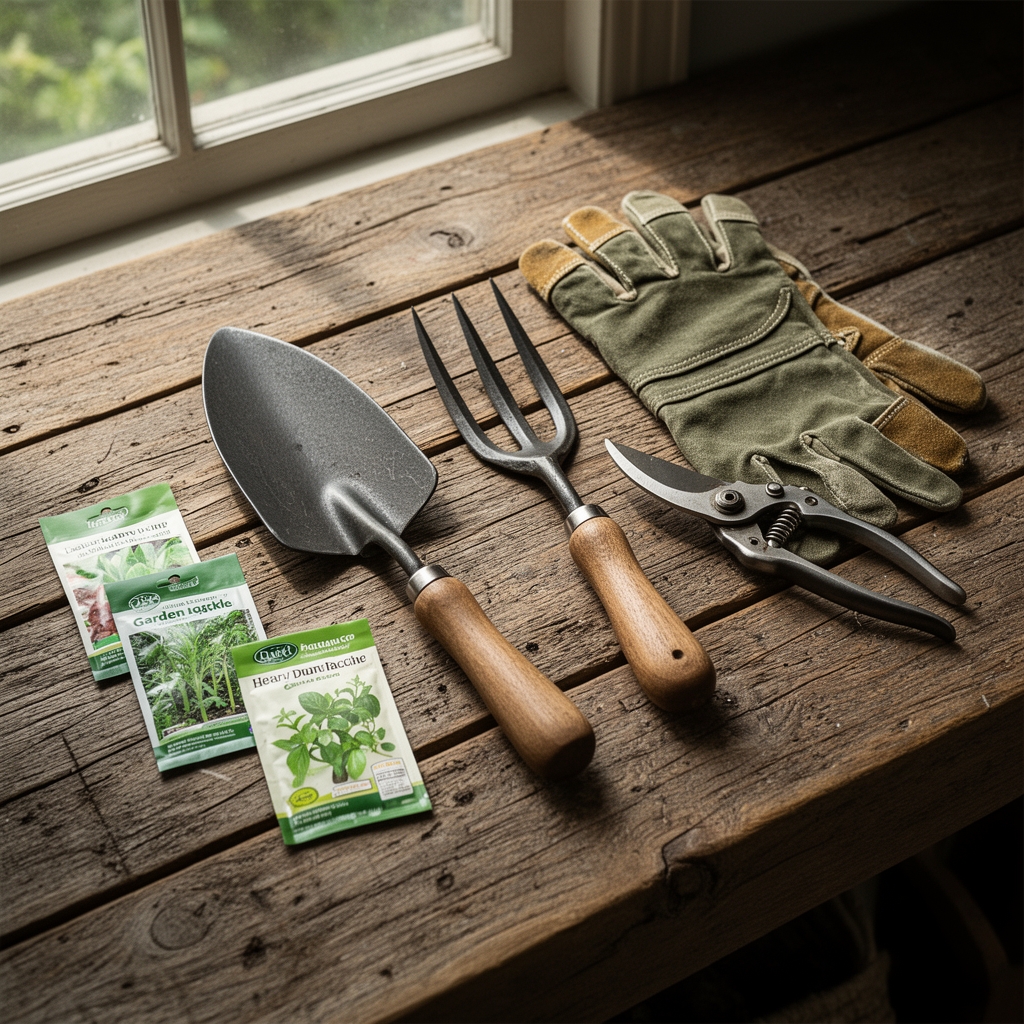
Successful pickling starts with vegetables grown in soil with a pH of 6.0 to 6.8 and adequate calcium availability for firm cell walls. Cucumbers, green beans, and carrots respond well to a balanced 5-5-5 NPK fertilizer during active growth, transitioning to a low-nitrogen 3-8-8 formula three weeks before harvest to reduce water content in tissues.
For the pickling process itself, gather half-gallon glass jars with two-piece metal lids, a water-bath canner capable of maintaining 212°F, distilled white vinegar with 5% acidity, pickling salt without anti-caking agents, and fresh dill with seed heads. A jar lifter and magnetic lid wand prevent burns. Digital pH strips confirm that brine solutions remain below 4.6 pH, the threshold that inhibits Clostridium botulinum spore germination.
Calcium chloride solution (Pickle Crisp) at 1/8 teaspoon per pint jar strengthens pectin bonds in cell walls. This counteracts the softening caused by naturally occurring pectinase enzymes that remain active even in acidic environments.
Timing and Harvest Windows
Harvest vegetables for pickling in Zones 5-8 between July 15 and September 10, when temperatures range from 70°F to 85°F during daylight hours. Cucumbers reach ideal size at 3 to 4 inches for gherkins and 5 to 6 inches for dills. Pick in early morning when turgor pressure is highest and field heat lowest.
Green beans intended for dilly beans should snap cleanly when bent, indicating lignin has not yet toughened the pod walls. Carrots require 60 to 75 days from seed, harvested when shoulder diameter reaches 3/4 inch to 1 inch for uniform processing.
Process vegetables within 24 hours of harvest. Respiration continues post-harvest, consuming sugars and releasing ethylene gas that softens tissue. Refrigeration at 38°F to 40°F slows but does not stop this deterioration.
Growing and Preparation Phases
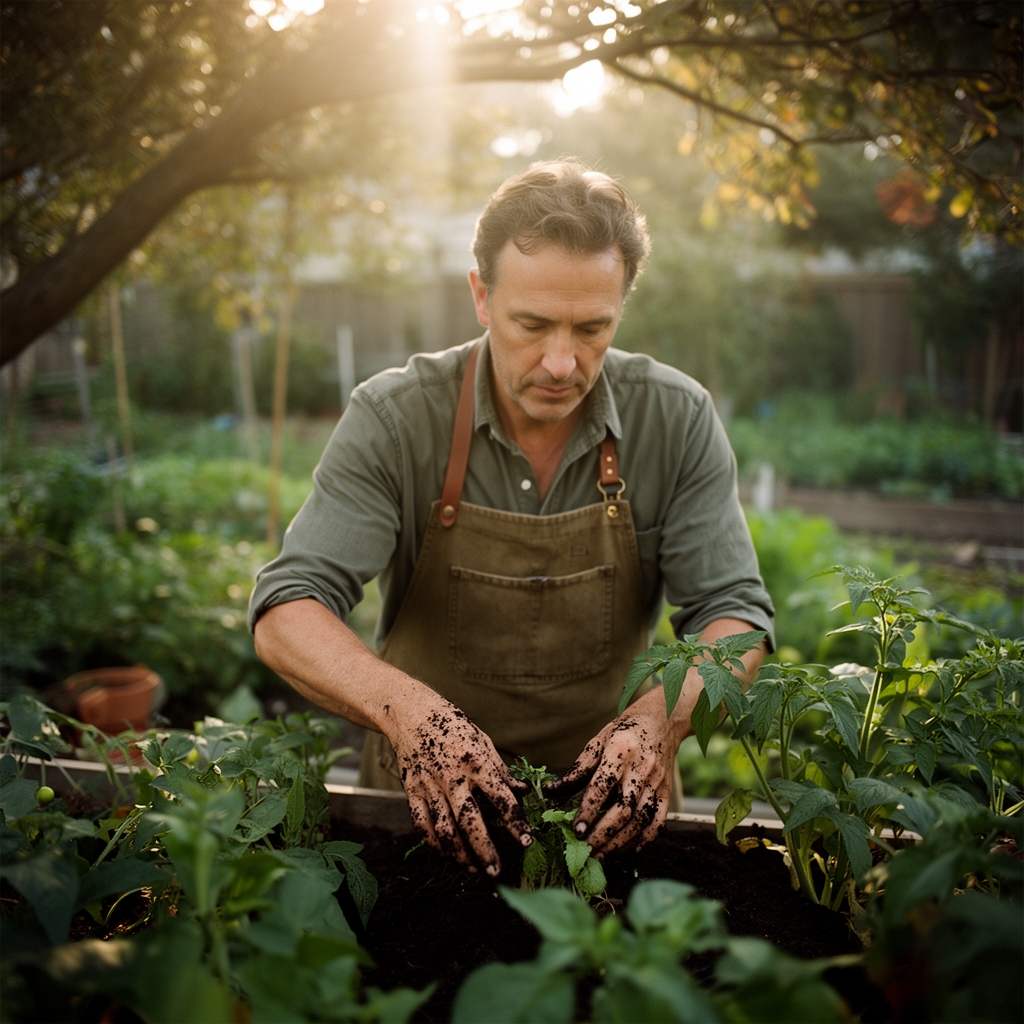
Sowing Phase: Direct-seed pickling cucumbers after soil reaches 65°F. Plant seeds 1 inch deep in rows spaced 36 inches apart, thinning to 6 inches between plants. Inoculate seeds with Trichoderma harzianum to colonize root zones and outcompete Fusarium pathogens that cause damping-off.
Pro-Tip: Apply mycorrhizal fungi granules at 1 tablespoon per linear foot in the seed furrow. Glomus intraradices forms symbiotic relationships with cucumber roots, extending phosphorus uptake by 300% and improving drought tolerance.
Transplanting Phase: Start tomatoes and peppers indoors 6 to 8 weeks before the last frost date. Transplant when nighttime temperatures remain above 55°F. Bury stems up to the first true leaves to stimulate adventitious root formation along the buried stem section.
Pro-Tip: Prune the lowest two leaf nodes at 45-degree angles using sterilized shears. This redirects auxin distribution upward and improves air circulation, reducing humidity that favors Botrytis cinerea.
Establishing Phase: Side-dress with compost tea containing 200 ppm nitrogen three weeks after transplanting. Monitor cation exchange capacity in soil, aiming for 10 to 20 meq/100g in loamy soils. This buffer capacity prevents nutrient lockout and maintains stable pH as organic matter mineralizes.
Pro-Tip: Install drip irrigation on 12-inch centers to deliver 0.75 inches of water per week directly to root zones. Overhead watering promotes foliar diseases and leaches calcium from developing fruit.
Troubleshooting Common Disorders
Symptom: Hollow or soft pickles after processing.
Solution: Harvest cucumbers at smaller sizes (under 4 inches). Overmature specimens develop air pockets in the seed cavity. Add 1/8 teaspoon calcium chloride per pint to reinforce pectin cross-linking.
Symptom: Cloudy brine within 48 hours of sealing.
Solution: Discard entire batch. Cloudiness indicates bacterial activity, often from insufficient processing time or compromised seal integrity. Recheck vinegar acidity with pH strips before next batch.
Symptom: White sediment at jar bottom after three weeks.
Solution: Safe to consume. Sediment consists of harmless yeast cells or minerals precipitated from hard water. Use distilled water for clearer brine.
Symptom: Shriveled or tough vegetable skins.
Solution: Reduce salt concentration to 5% (3 tablespoons per quart). Excessive osmotic pressure draws too much water from cells. Blanch dense vegetables like carrots for 2 minutes before packing.
Symptom: Loss of green color in beans or cucumbers.
Solution: Chlorophyll degrades in acidic, high-heat environments. Minimize processing time to 10 minutes for quart jars. Accept color change as normal or use low-temperature fermentation methods instead.
Maintenance and Processing Protocols
Pack raw vegetables tightly into sterilized jars, leaving 1/2 inch headspace. Pour boiling brine (1 part vinegar, 1 part water, 1 tablespoon salt per quart) over vegetables to within 1/4 inch of the rim. Remove air bubbles by sliding a plastic spatula along jar sides.
Wipe rims with vinegar-dampened cloth to remove food particles that prevent proper sealing. Center lids and apply bands fingertip-tight. Process pint jars for 10 minutes and quart jars for 15 minutes in a boiling water bath, starting the timer only when water returns to a rolling boil.
Remove jars and cool undisturbed for 12 hours. Test seals by pressing lid centers. Properly sealed lids do not flex. Store in a dark location at 50°F to 70°F for up to 18 months.
Frequently Asked Questions
Can I reduce salt in pickle recipes?
No. Salt concentration affects osmotic pressure and microbial inhibition. Altering ratios below 5% may permit pathogen survival. Use pickling salt specifically, as iodized table salt causes darkening.
How long must pickles cure before eating?
Wait 4 to 6 weeks for flavors to fully penetrate vegetable tissues and for acetic acid to reach equilibrium throughout the brine.
Why did my jar lids fail to seal?
Microscopic food particles on rim edges prevent gasket contact. Chips or cracks in jar lips also compromise seals. Inspect jars in bright light before each use.
Can I reuse pickling brine?
No. Acidity drops below safe levels after first use as vegetables release water that dilutes vinegar concentration. Discard spent brine.
What causes pink or blue discoloration in garlic?
Anthocyanin pigments react with acetic acid in certain garlic varieties. The reaction is harmless and does not indicate spoilage.