9 Best Phosphorus for Prep Work
The scent of damp, mineral-rich earth signals the beginning of the metabolic cycle. When you squeeze a handful of friable loam, it should hold its shape briefly before shattering into granular aggregates. This physical structure allows for maximum gas exchange within the rhizosphere. To ensure the turgor pressure of a developing seedling remains high, the soil must be primed with the best phosphorus for prep work. Phosphorus is the primary driver of Adenosine Triphosphate (ATP) production; without it, the cellular machinery of the plant stalls. You are not just planting; you are engineering a chemical environment where energy transfer is efficient and root architecture is expansive. Proper preparation requires a deep understanding of phosphorus solubility and its interaction with soil cations. If the soil temperature is below 55 degrees Fahrenheit, phosphorus uptake slows significantly, regardless of the volume present in the substrate. Success depends on the precise timing of these inputs to match the biological demands of the plant during its most vulnerable developmental stages.
Materials:
Selecting the correct source of phosphorus depends entirely on your soil **Cation Exchange Capacity (CEC)** and current pH levels. Phosphorus becomes chemically locked and unavailable to plants if the pH drops below **6.0** or rises above **7.5**.
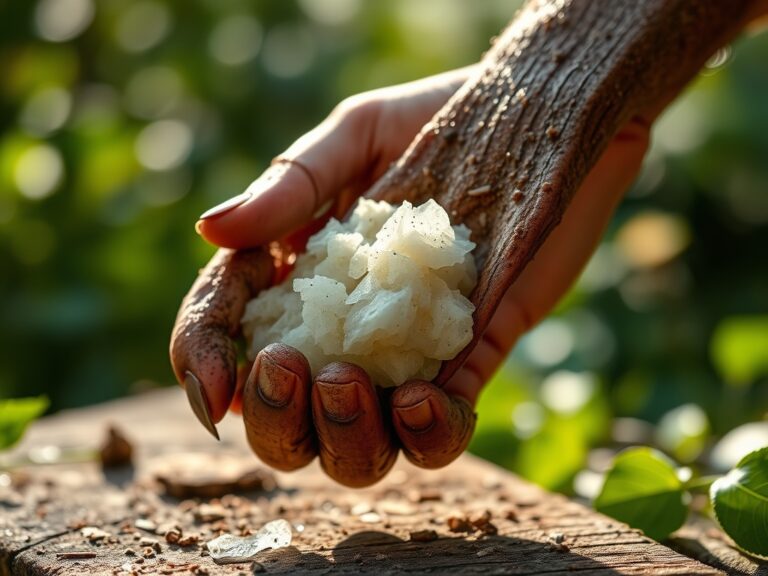
- Rock Phosphate (0-3-0): A slow-release mineral source. It is most effective in acidic soils where the low pH helps dissolve the apatite structure over several years.
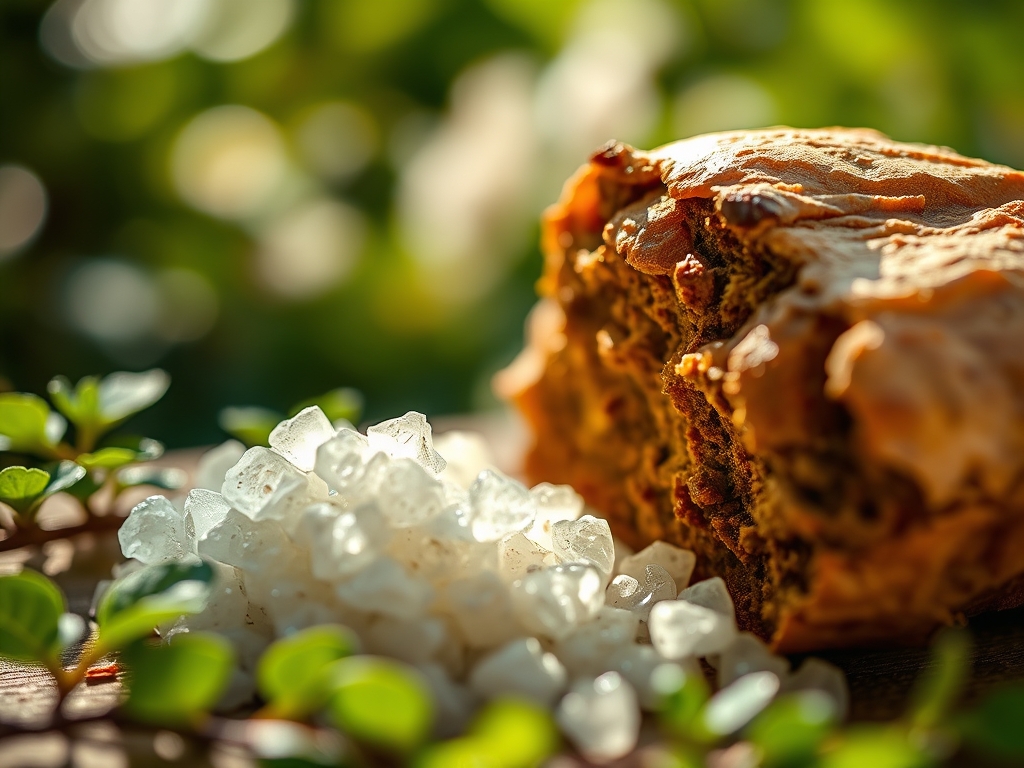
- Bone Meal (4-12-0): Provides a moderate release of phosphorus and a small amount of nitrogen. It requires active soil biology to break down the proteins into plant-available orthophosphates.
- Triple Superphosphate (0-46-0): A highly concentrated, water-soluble synthetic option. Use this when a soil test indicates a severe deficiency that requires immediate correction before sowing.
- Monopotassium Phosphate (0-52-34): Ideal for fertigation systems. It provides high solubility and a significant potassium boost without adding nitrogen.
- Colloidal Phosphate: Also known as soft rock phosphate; it contains high levels of trace minerals and is more readily available than hard rock varieties.
- Fish Bone Meal (3-16-0): A marine-based alternative that often contains higher calcium levels, essential for cell wall integrity.
- Bat Guano (0-7-0): Highly localized phosphorus that also introduces beneficial microbes to the soil profile.
- Diammonium Phosphate (18-46-0): Used primarily in large scale prep work where a nitrogen kick is needed to stimulate early leaf expansion.
- Steamed Bone Meal: Processed to increase surface area, making the phosphorus available faster than raw bone meal.
The substrate must be a friable loam with a bulk density of approximately 1.33 grams per cubic centimeter. This density provides the necessary resistance for root anchorage while maintaining 50 percent pore space for water and oxygen.
Timing:
Hardiness Zones 3 through 9 dictate the window for prep work. In cooler zones (3-5), phosphorus should be incorporated into the soil at least 21 days before the last expected frost. This allows the soil chemistry to stabilize. In warmer zones (8-9), prep work can occur in late autumn to take advantage of winter moisture.
The Biological Clock of the plant transitions from the vegetative stage to the reproductive stage based on the photoperiod. Phosphorus is critical during the "priming" phase, which occurs 14 to 28 days after germination. During this window, the plant determines its potential floral or fruit density. If phosphorus is lacking during this transition, the plant will prioritize survival over yield, leading to permanent stunted growth.
Phases:

Sowing
During the sowing phase, phosphorus must be placed in the "strike zone," approximately 2 inches below and 2 inches to the side of the seed. This prevents salt burn while ensuring the emerging radicle finds the nutrient immediately.
Pro-Tip: Mycorrhizal fungi form a symbiotic relationship with the roots. These fungi extend the reach of the root system by up to 100 times, actively mining phosphorus that is otherwise chemically bound to soil particles.
Transplanting
When moving a plant from a container to the field, the goal is to minimize transplant shock. Use a high-phosphorus starter solution with a concentration of 15-30-15 at half strength. This stimulates rapid root elongation into the surrounding native soil.
Pro-Tip: Phosphorus suppresses the effects of auxin in the apical meristem just enough to encourage lateral root branching. This creates a "root ball" rather than a single taproot, increasing the plant's drought resistance.
Establishing
Once the plant has reached its third set of true leaves, it is considered established. At this point, the phosphorus should be integrated into the top 6 inches of the soil profile. This encourages the roots to grow downward rather than staying near the surface where they are prone to desiccation.
Pro-Tip: High phosphorus levels during establishment promote phototropism efficiency. By strengthening the vascular tissue (xylem and phloem), the plant can more effectively move water to the leaves to maintain the turgor required to track the sun.
The Clinic:
Monitoring the physiological health of your plants requires a clinical eye for nutrient movement within the tissue.
- Symptom: Purpling of the older, lower leaves.
- Solution: This is a classic sign of phosphorus deficiency. Because phosphorus is a mobile nutrient, the plant "cannibalizes" it from old growth to support new terminal buds. Apply a water-soluble monopotassium phosphate at a rate of 1 tablespoon per gallon of water.
- Symptom: Interveinal chlorosis (yellowing between green veins) on new leaves.
- Solution: This is typically a nitrogen or iron deficiency. Check soil pH first. If pH is above 7.2, iron becomes unavailable. Lower the pH using elemental sulfur or aluminum sulfate.
- Symptom: Leaf tip burn and "hooking" of young foliage.
- Solution: This indicates calcium deficiency or "salt " stress. Flush the soil with 2 gallons of water per square foot to leach excess salts and apply a liquid calcium chelate.
Fix-It: For general Nitrogen chlorosis, apply a high-nitrogen fertilizer (like blood meal) but ensure the phosphorus levels remain balanced to prevent "leggy" growth. A 3-1-2 ratio is often ideal for corrective vegetative feeding.
Maintenance:
Precision maintenance is the difference between a surviving plant and a thriving one. Use a soil moisture meter daily to ensure the root zone stays between 60 and 80 percent of field capacity. Most established plants require 1.5 inches of water per week applied directly at the drip line to avoid wetting the foliage.
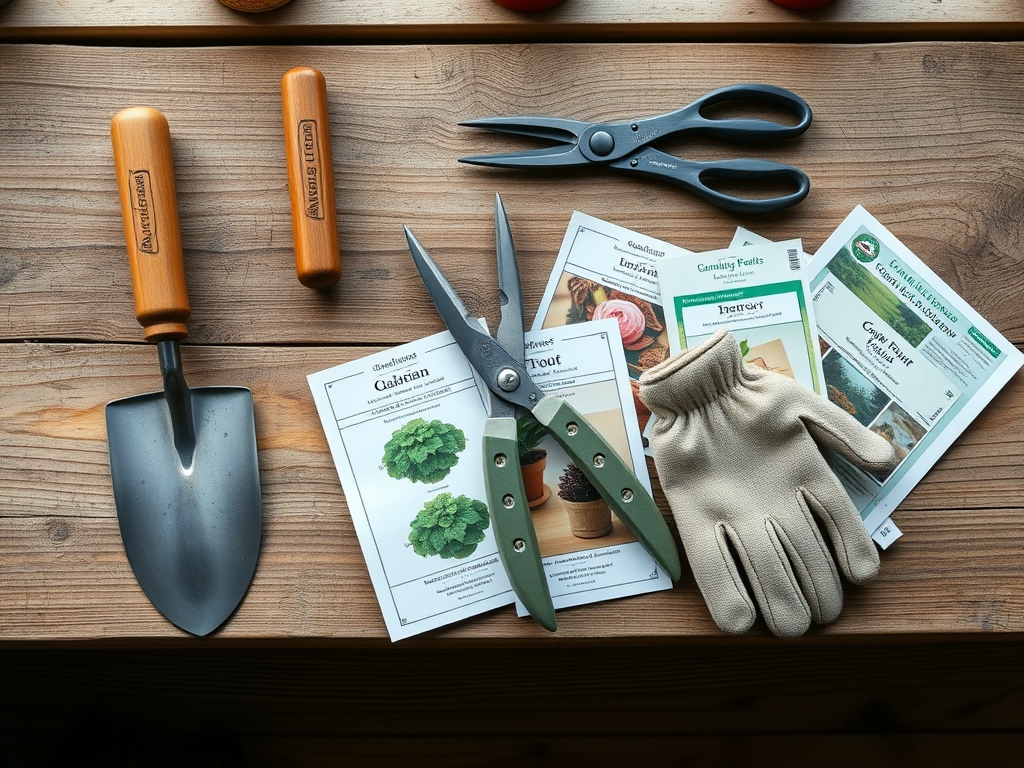
When pruning or harvesting, use sharp bypass pruners to ensure clean cuts that heal quickly. For root-zone inspections or weeding, a hori-hori knife allows you to cut through compacted soil without disturbing the primary root architecture. Always sanitize your tools with 70 percent isopropyl alcohol between plants to prevent the spread of soil-borne pathogens.
The Yield:
Harvesting is the culmination of the phosphorus cycle. For fruiting crops, harvest when the fruit reaches its "mature green" stage or full color break, depending on the species. For flowers, harvest in the early morning when turgor pressure is at its peak.
Use a sharp blade to make a clean diagonal cut. Immediately submerge the stems in water chilled to 40 degrees Fahrenheit. This "cold chain" management slows down senescence (the aging process) and preserves the sugars and starches that the phosphorus helped the plant produce. For edible crops, removing field heat within 30 minutes of harvest can extend shelf life by several days.
FAQ:
What is the best phosphorus for prep work in sandy soil?
In sandy soil with low CEC, use collodial phosphate or bone meal. These organic sources release nutrients slowly, preventing the phosphorus from leaching through the porous substrate before the roots can intercept it.
Can I apply too much phosphorus during prep?
Yes. Excessive phosphorus inhibits the uptake of essential micronutrients like zinc and iron. It can also runoff into local waterways, causing algal blooms. Always follow soil test recommendations and avoid exceeding 2 pounds per 1,000 square feet.
How do I know if my phosphorus is "locked" in the soil?
If a soil test shows high phosphorus but your plants show purple leaves, your pH is likely outside the 6.0 to 7.0 range. At low pH, phosphorus binds with aluminum; at high pH, it binds with calcium.
Does phosphorus help with winter hardiness?
Phosphorus is essential for root development and carbohydrate storage. A robust root system and high sugar content in the crown help the plant survive sub-zero temperatures by acting as a natural antifreeze within the cellular structure.