7 Easy Ways How to Cure Onion Crops
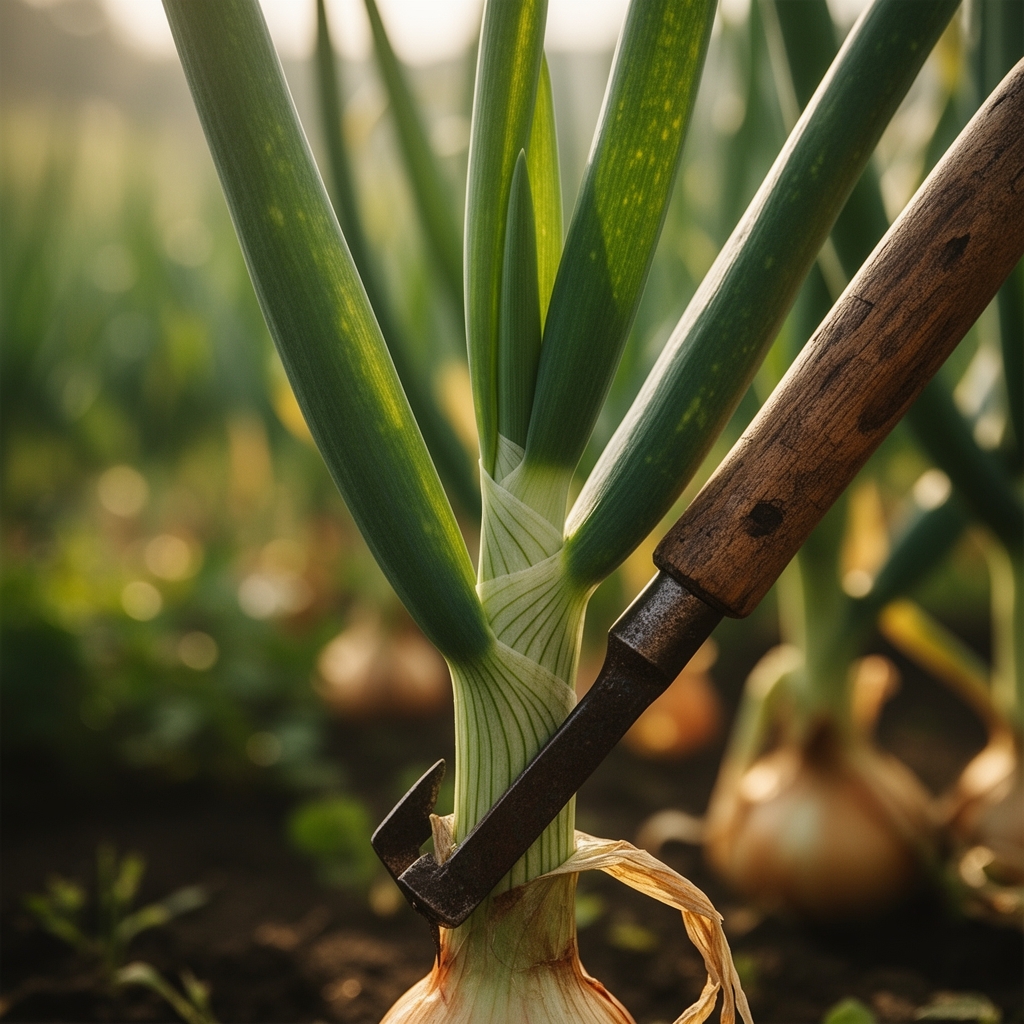
Curing onion crops transforms brittle, moisture-laden bulbs into shelf-stable produce that resists rot for six months or longer. The process halts active respiration, seals neck tissue, and fortifies the papery outer scales that protect inner flesh from pathogens. Learning how to cure onion crops correctly determines whether your harvest reaches midwinter meals or spoils by October. The curing window begins the moment you lift bulbs from soil, and errors in temperature, humidity, or airflow invite Botrytis neck rot and bacterial soft rot to spread through storage bins.
Materials
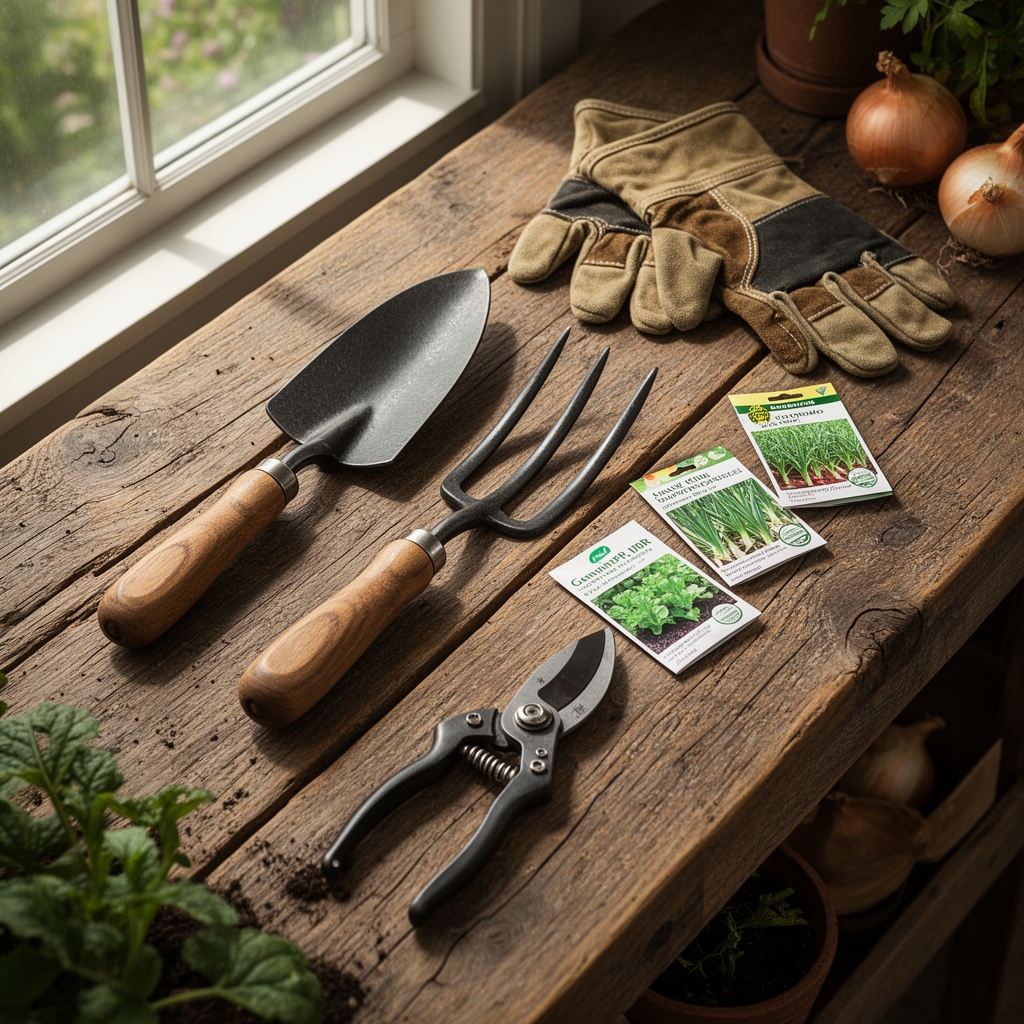
Curing requires minimal inputs but precise environmental controls. Allocate slatted wooden racks, wire mesh trays, or clean burlap to support single-layer bulb placement. Avoid galvanized metal, which concentrates condensation. Source a hygrometer with ±2% accuracy to monitor relative humidity between 60 and 70 percent. A box fan or oscillating fan maintains airflow at 50 to 100 cubic feet per minute without direct bulb contact.
For pre-cure soil nutrition, target a 5-10-10 NPK ratio four weeks before harvest to harden outer scales without promoting excessive top growth. Soil pH between 6.0 and 6.8 optimizes sulfur uptake, the element responsible for pungency and antimicrobial defense. Calcium foliar sprays at 200 ppm during bulb swell improve scale integrity. Avoid high-nitrogen amendments such as blood meal (12-0-0) after the summer solstice, as excess nitrogen delays skin maturation and prolongs curing time.
Timing
Onion curing aligns with physiological maturity signals, not calendar dates. In Hardiness Zones 3 through 5, bulbs mature from late July to mid-August. Zones 6 through 8 see maturity from mid-June to early July. Southern growers in Zones 9 and 10 harvest short-day cultivars by late May.
Stop irrigation when 30 percent of tops yellow and lodge naturally. This signals that auxin distribution shifts from foliage to bulb, triggering scale thickening. Two weeks after lodging, neck tissue begins suberizing, the lignin-like barrier that seals the bulb crown. Lift bulbs on a dry morning after three consecutive days without rain. Soil moisture below 40 percent field capacity prevents mud cling, which harbors Fusarium and Aspergillus spores.
Frost-free curing demands ambient temperatures between 75 and 85 degrees Fahrenheit. Temperatures above 90 degrees stimulate respiration and sprouting. Below 65 degrees, enzymatic processes stall, leaving necks soft and vulnerable.
Phases
Field Curing
Lay bulbs in windrows directly on dry soil for 24 to 48 hours. Ultraviolet radiation initiates skin hardening, and solar heat drives surface moisture below 16 percent. Flip bulbs once to expose all sides. Protect from dew by covering with row fabric overnight.
Pro-Tip: Inoculate field curing areas with Trichoderma harzianum at 1 × 10^6 spores per square foot three days before harvest. This antagonistic fungus colonizes bulb surfaces and competitively excludes Botrytis.
Sheltered Curing
Transfer bulbs to a well-ventilated barn, greenhouse, or covered porch. Spread bulbs in a single layer with necks oriented toward prevailing airflow. Space bulbs one inch apart to prevent microclimate pockets of stagnant humidity. Suspend tarps or shade cloth to diffuse direct sunlight, which can scald thin-skinned varieties.
Run fans continuously for seven to fourteen days. Check hygrometer readings twice daily. Relative humidity above 75 percent invites mold; below 50 percent causes premature scale cracking.
Pro-Tip: Arrange bulbs on 1/2-inch hardware cloth elevated six inches above the floor. This allows air to circulate beneath, reducing cure time by 20 percent.
Final Trimming
After necks shrivel and turn brown, clip foliage to one inch above the bulb shoulder. Use sanitized pruning shears dipped in 10 percent bleach solution between cultivars to prevent cross-contamination. Discard any bulbs with green, pliable necks; these lack complete suberization and will decay.
Pro-Tip: Cure braiding-type onions with tops intact if ambient humidity remains below 65 percent. The added foliage wicks internal moisture outward, accelerating the curing process by three days.
Troubleshooting
Symptom: Soft, translucent scales and foul odor.
Solution: Bacterial soft rot caused by Erwinia species. Remove affected bulbs immediately. Increase airflow to 150 CFM and lower humidity to 55 percent. Spray remaining bulbs with copper hydroxide at 1.5 pounds per 100 gallons.
Symptom: Gray mold on neck tissue with powdery spores.
Solution: Botrytis neck rot. Infected bulbs cannot be saved. Raise curing temperature to 80 degrees and introduce ozone generators at 0.05 ppm for two-hour intervals to suppress spore germination.
Symptom: Papery outer scales peel prematurely, exposing moist inner layers.
Solution: Low humidity or excessive heat. Mist curing area lightly to raise relative humidity to 65 percent. Shade bulbs from direct sun.
Symptom: Green tissue persists at neck after two weeks.
Solution: Premature harvest or excess nitrogen. Extend cure time by seven days. Next season, reduce nitrogen applications by 30 percent after bulb initiation.
Symptom: Black, sooty mold on outer scales.
Solution: Aspergillus niger colonization from soil contact. Brush scales gently with a dry cloth. Improve air circulation and avoid stacking bulbs.
Maintenance
Monitor cured bulbs weekly during the first month of storage. Maintain storage temperatures between 32 and 40 degrees Fahrenheit with 65 to 70 percent relative humidity. Check for sprouting, a sign that gibberellin synthesis has resumed due to excessive warmth. Cull any bulbs showing soft spots or darkened necks.
Provide 0.5 CFM per bushel of stored onions to prevent ethylene accumulation, which accelerates senescence. Store bulbs away from apples and pears, both prolific ethylene producers. Inspect storage containers for gaps where light penetrates; even low-intensity light triggers chlorophyll synthesis and bitterness.
FAQ
How long does it take to cure onion crops?
Field curing takes 24 to 48 hours, followed by seven to fourteen days of sheltered curing. Total time ranges from nine to sixteen days depending on cultivar and humidity.
Can I cure onions indoors?
Yes, provided you maintain 75 to 85 degrees Fahrenheit and continuous airflow. Attics and spare rooms work if hygrometers confirm stable humidity.
Do all onion varieties cure the same way?
No. Thick-necked varieties such as 'Walla Walla' require three additional days. Storage cultivars like 'Copra' cure faster due to denser scale structure.
What is the ideal moisture content after curing?
Outer scales should register 12 to 16 percent moisture. Use a pin-type moisture meter calibrated for allium tissue.
Should I wash onions before curing?
Never. Water introduces pathogens and extends cure time. Brush dry soil gently with a soft brush after curing completes.