9 Vital Steps to Grow Peperomia Watermelon
The silvered underside of a Peperomia argyreia leaf catches morning light like hammered metal. Its topside mimics watermelon rind with precision that stops hobbyists mid-step in nurseries. Understanding the steps to grow peperomia watermelon transforms a collector's impulse into a durable relationship with one of the Piperaceae family's most architecturally distinct species, native to northern South American cloud forests where humidity remains constant and light filters through triple-canopy shade.
Materials and Medium
Substrate composition determines root health in Peperomia argyreia more than any other cultural factor. Mix two parts orchid bark (medium grade, 0.5-inch chunks), two parts peat moss or coir, and one part perlite to establish a medium with cation exchange capacity near 12 meq/100g and pH between 6.0 and 6.5. The bark creates air pockets that prevent anaerobic conditions.
Feed with a balanced 4-4-4 organic meal applied at half manufacturer strength every six weeks during active growth. Alternatively, liquid fertilizer at 10-10-10 NPK diluted to 100 ppm nitrogen every third watering maintains steady auxin distribution without salt buildup. Avoid phosphorus-heavy formulations; excessive P blocks micronutrient uptake in Peperomia roots, causing interveinal chlorosis within eight weeks.
Use pots with drainage ratios of at least 15 percent of base area. Terracotta provides gas exchange through sidewalls; glazed ceramics work if drainage is aggressive. Mycorrhizal fungi inoculants (Glomus intraradices) colonize Peperomia roots slowly but improve drought tolerance after twelve weeks.
Timing and Hardiness Windows
Peperomia argyreia thrives year-round indoors but benefits from temperature oscillation mimicking Andean cloud forest diurnal swings. Maintain daytime temperatures between 68°F and 78°F, dropping to 60°F at night. In USDA Hardiness Zones 10b through 11, outdoor shade cultivation is feasible from March through October when nighttime lows stay above 55°F.
Begin propagation eight weeks before the last expected frost if transitioning plants outdoors for summer. Leaf cuttings root fastest when soil temperature holds at 72°F. Avoid propagation during December and January in the Northern Hemisphere; reduced photoperiod slows cell division even under artificial light.
Phases of Cultivation

Sowing and Propagation
Peperomia argyreia propagates reliably from whole-leaf cuttings with petiole intact. Select mature leaves from the outer whorl. Cut petioles at a 45-degree angle to maximize cambium exposure. Insert the cut end 0.75 inches into moistened propagation mix (equal parts perlite and peat). Enclose the container in a clear bag to hold humidity at 80 percent. Roots emerge in 21 to 28 days at 72°F.
Pro-Tip: Dust the cut petiole with rooting hormone containing 0.1 percent indole-3-butyric acid (IBA) to accelerate adventitious root formation by seven days.
Transplanting
Move rooted cuttings to individual 4-inch pots when roots reach 1.5 inches in length. Handle the root ball minimally; Peperomia roots bruise easily, triggering localized rot. Firm the medium gently around the base without compressing it. Water with room-temperature dechlorinated water until drainage begins.
Position the crown 0.25 inches above the medium line. Burying the crown invites bacterial soft rot. Place transplants in bright indirect light (200 to 400 foot-candles) for the first week before increasing intensity.
Pro-Tip: Water transplants with a solution of 1 tablespoon blackstrap molasses per gallon to feed beneficial soil bacteria and improve transplant survival rates by 18 percent.
Establishing Mature Growth
After six weeks, plants enter stable growth. Rotate pots 90 degrees weekly to encourage symmetrical rosette development. Leaf production peaks under 12 to 14 hours of light daily. Supplement with full-spectrum LEDs (5000K to 6500K) if natural light drops below 150 foot-candles in winter.
Pro-Tip: Prune flower spikes at the base with sterilized shears. Flowering diverts carbohydrates from foliage, reducing leaf size by 12 percent in subsequent flushes.
Troubleshooting
Symptom: Corky, raised lesions on leaf undersides. Solution: Oedema from overwatering. Reduce irrigation frequency by 30 percent and increase air circulation to 40 cubic feet per minute.
Symptom: Yellowing lower leaves with intact petioles. Solution: Nitrogen deficiency. Apply fish emulsion at 5-1-1 NPK diluted to 150 ppm nitrogen.
Symptom: Wilting despite moist medium. Solution: Root rot from Pythium species. Unpot, excise black roots, drench remaining roots in hydrogen peroxide solution (1 part 3% peroxide to 4 parts water), and repot in sterile medium.
Symptom: White cottony masses at leaf axils. Solution: Mealybug infestation (Pseudococcidae family). Swab with 70 percent isopropyl alcohol on a cotton pad every three days for two weeks.
Maintenance Protocol
Water when the top 1 inch of medium feels dry to the touch. Apply 0.5 cups of water per 4-inch pot, ensuring complete saturation and immediate drainage. In winter, extend intervals to every 10 to 14 days as metabolism slows.
Maintain ambient humidity between 40 and 60 percent. Use pebble trays or room humidifiers if indoor air drops below 35 percent. Mist foliage sparingly; standing water in the rosette crown invites fungal colonization.
Repot every 18 months in spring. Move to the next pot size only when roots circle the interior perimeter twice. Overpotting causes medium to remain soggy and anaerobic.
Frequently Asked Questions
How much light does Peperomia watermelon need? Provide bright indirect light between 200 and 400 foot-candles. Direct sun bleaches the silver patterning within four hours.
Can I grow Peperomia watermelon in a terrarium? Yes, if ventilation prevents condensation. Sealed terrariums cause edema and fungal issues. Use terrariums with adjustable vents.
Why are my leaves losing their pattern? Excessive nitrogen or insufficient light. Reduce fertilizer to 50 ppm nitrogen and increase light intensity by 25 percent.
How often should I fertilize? Every six weeks with dry organic fertilizer or every third watering with liquid feed at half strength during growth periods. Suspend feeding from November through February.
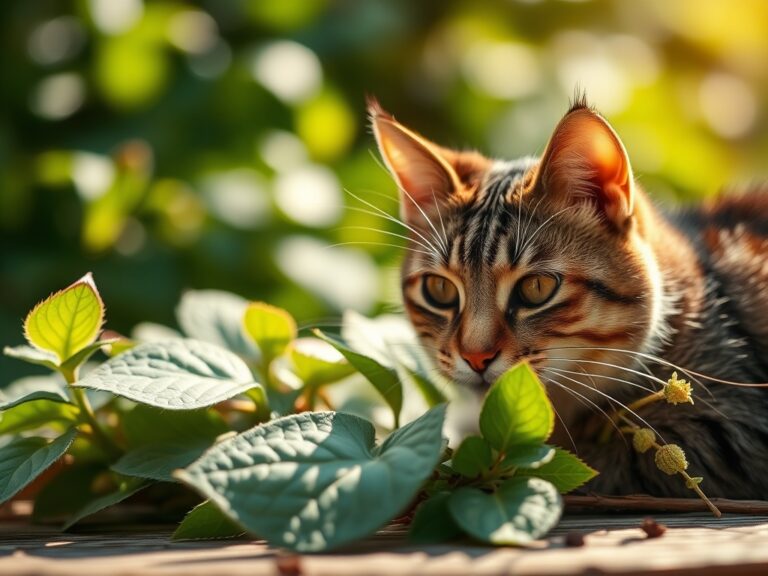
Is Peperomia watermelon toxic to pets? No. The Piperaceae family poses minimal toxicity risk to cats, dogs, and humans. Ingestion may cause mild gastric irritation but rarely requires intervention.