5 Expert Ways How to Get Wax Plant Blooms
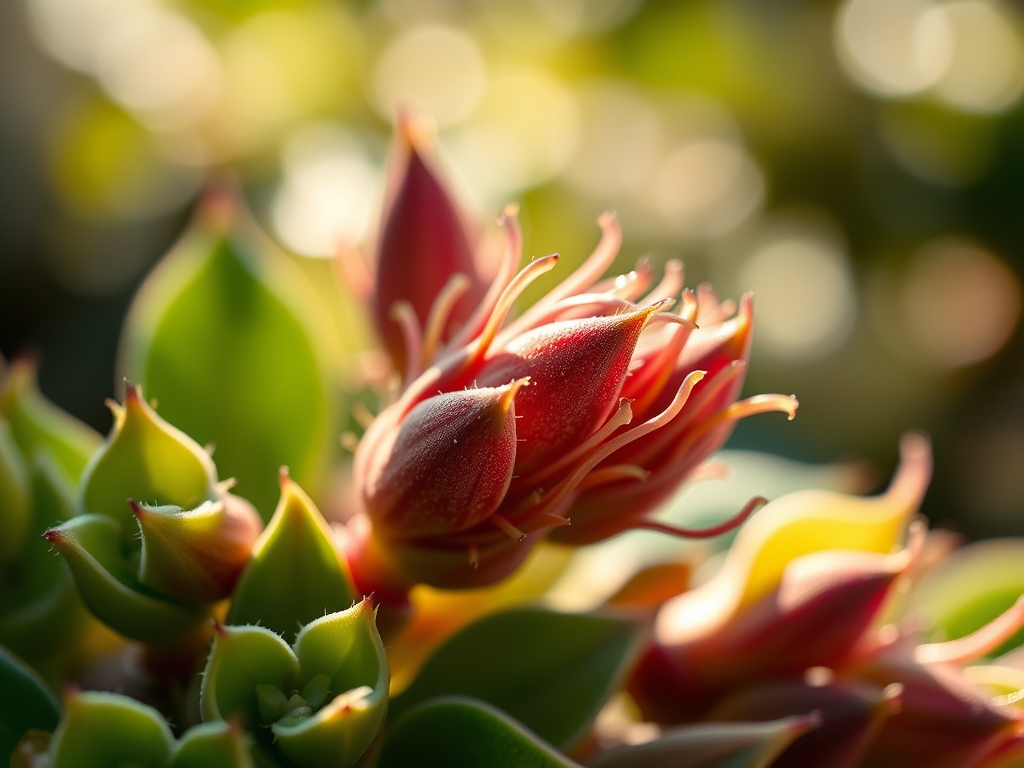
Crushing a handful of well-aerated orchid bark reveals the earthy, fungal scent of a healthy rhizosphere. The thick, succulent leaves of a Hoya carnosa should feel rigid under thumb pressure; this is high turgor pressure in action. Understanding how to get wax plant blooms requires moving beyond basic houseplant care into the realm of precise environmental manipulation. These epiphytic specimens do not flower by accident. They require a specific intersection of light intensity, thermal shifts, and calculated nutrient stress. To force a Hoya into its reproductive stage, a grower must master the transition from vegetative biomass production to the development of perennial spurs known as peduncles. This process is governed by the plant's internal circadian rhythm and its response to seasonal light fluctuations. Achieving a cluster of porcelain-like flowers involves managing the delicate balance between moisture retention and root oxygenation. By simulating the monsoon cycles of Southeast Asia, you can trigger the hormonal shift necessary for consistent seasonal flowering.
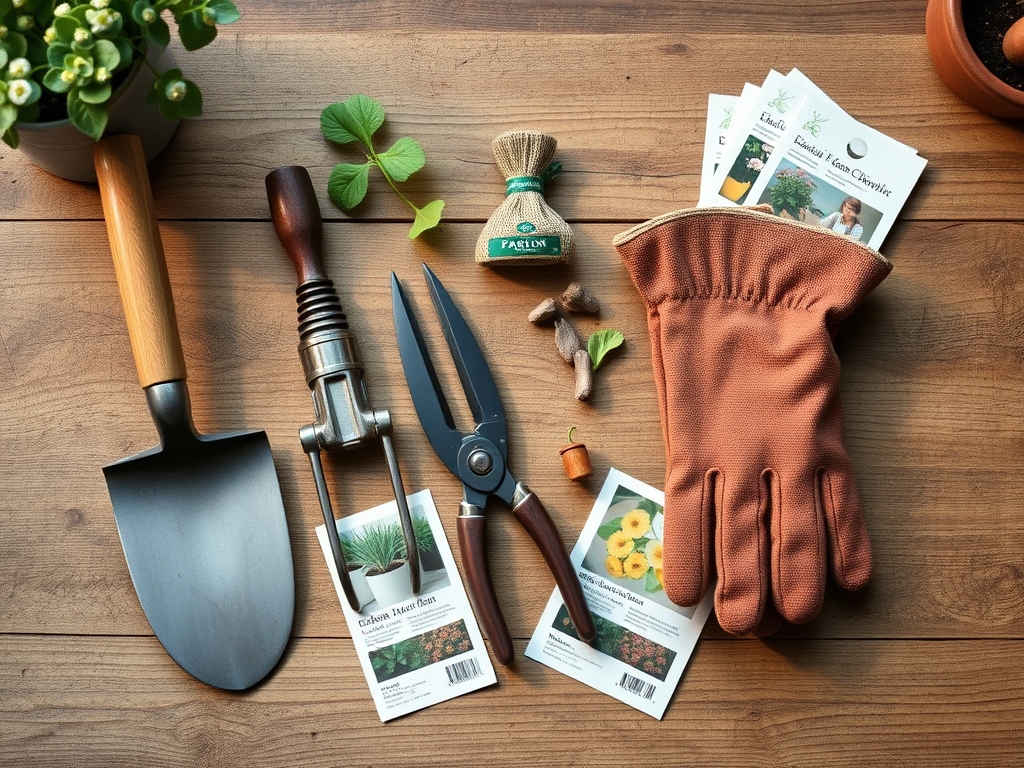
Materials:
Successful flowering begins with a substrate that mimics the epiphytic environment. Aim for a **soil pH between 6.1 and 6.5**. The physical texture must be a friable, coarse mix rather than a dense loam. Combine one part pine bark, one part perlite, and one part coconut coir to ensure high porosity. This structure prevents waterlogging while maintaining a high Cation Exchange Capacity (CEC) for nutrient delivery.
Nutrient requirements shift based on the growth phase. For vegetative support, use a balanced 20-20-20 NPK water-soluble fertilizer. However, to prioritize how to get wax plant blooms, transition to a "bloom booster" formula with a 10-30-20 NPK ratio once the plant reaches maturity. The high phosphorus content is critical for ATP production and the synthesis of reproductive tissues. Supplemental micronutrients, specifically magnesium and sulfur, should be applied via Epsom salt at a rate of one tablespoon per gallon twice yearly to prevent interveinal chlorosis and support enzyme function.
Timing:
Wax plants are generally suited for USDA Hardiness Zones 10 through 12 if grown outdoors. In temperate climates, they must remain indoors once ambient temperatures drop below 55 degrees Fahrenheit. The biological clock of a Hoya is triggered by the photoperiod. Most species require a "resting period" during the winter months characterized by reduced water and cooler nights, typically between 60 and 65 degrees Fahrenheit.
This period of senescence allows the plant to conserve carbohydrates. As daylight increases to 12 to 14 hours per day in the spring, the plant enters its reproductive stage. You must track your local frost-date windows; the transition to high-intensity light should occur approximately four weeks after the spring equinox to align with the plant's natural metabolic surge.
Phases:
Sowing and Propagation
While Hoyas can be grown from seed, most experts use stem cuttings to ensure genetic clones of floriferous mother plants. Take a 4-inch cutting with at least two nodes. Submerge the basal node in a rooting medium maintained at 75 degrees Fahrenheit.
Pro-Tip: Dip the wound in a rooting hormone containing Indole-3-butyric acid (IBA). This stimulates auxin suppression of lateral buds, forcing the plant to prioritize primary root architecture and vascular development.
Transplanting and Root Restriction
Hoyas exhibit a unique physiological preference for being "pot-bound." Move the plant into a container only one inch wider than its current root ball. Use a terracotta pot to facilitate gas exchange through the porous walls.
Pro-Tip: Avoid disturbing the root mass during transplanting to prevent transplant shock. Maintaining root density increases the concentration of flowering hormones in the foliage, as the plant perceives limited space as a signal to reproduce rather than expand vegetatively.
Establishing the Peduncle
The peduncle is the permanent stalk from which flowers emerge. Once a peduncle forms, it must never be removed. Even after the flowers drop, the spur will bloom again in subsequent seasons.
Pro-Tip: Utilize high-intensity indirect light to trigger photomorphogenesis. This is the process where specific light wavelengths (red and far-red) signal the plant to stop producing long, leafless vines and start developing reproductive spurs.
The Clinic:
Physiological disorders often mimic pest damage but are usually rooted in environmental stress.
-
Symptom: Bud Blast. Small flower buds turn yellow and drop before opening.
-
Solution: This is typically caused by sudden fluctuations in temperature or moisture. Maintain a consistent humidity level of 60% to 70% and avoid placing the plant near HVAC vents.
-
Symptom: Nitrogen Chlorosis. Older leaves turn pale yellow while veins remain slightly green.
-
Fix-It: Apply a chelated liquid fertilizer with a 5% Nitrogen concentration. Ensure the soil pH has not drifted above 7.0, which locks out nutrient uptake.
-
Symptom: Edema. Small, corky blisters on the underside of leaves.
-
Solution: This results from the plant taking up water faster than it can transpire. Reduce watering frequency and increase airflow using a small fan to improve the vapor pressure deficit (VPD).
Maintenance:
Precision watering is the cornerstone of Hoya health. Use a soil moisture meter to ensure the substrate is dry to a depth of two inches before re-irrigating. In peak summer, provide approximately 1.5 inches of water per week at the drip line.
Pruning should be minimal. Use bypass pruners sterilized with 70% isopropyl alcohol to remove only dead or diseased wood. Never prune the long, leafless "scouts" or vines, as these are the primary sites for future peduncle development. If the plant becomes unruly, use a hori-hori knife to gently loosen the outer edge of the root ball every three years to refresh the substrate without fully repotting.
The Yield:
The "yield" of a wax plant is its umbel of fragrant flowers. Harvesting is not recommended if you wish to see repeat blooms, as the peduncle must remain intact. If you must take a cutting for a floral arrangement, snip the vine at least three inches above the flowering spur.
To maintain "day-one" freshness of the blooms on the plant, mist the umbels lightly with distilled water in the evening. This mimics the heavy dew of their native habitat. Once the bloom cycle completes, the flowers will naturally desiccate and fall. Do not pull them off; allow natural abscission to occur to protect the delicate tissue of the permanent spur.
FAQ:
Why is my wax plant not blooming?
The most common cause is insufficient light. Move the plant to a location receiving 1,200 to 2,000 foot-candles of indirect light. Without adequate energy for photosynthesis, the plant cannot support the high metabolic cost of flower production.
Should I cut off the dead flowers?
No. Remove only the spent individual flowers if they fall easily. Never cut the peduncle (the woody stalk). This structure is perennial and will produce new flower clusters every year. Removing it resets the flowering cycle for that vine.
What is the best fertilizer for Hoya blooms?
Use a high-phosphorus "bloom booster" with an NPK ratio of 10-30-20. Apply at half-strength every two weeks during the active growing season. This provides the necessary phosphorus to trigger the transition from vegetative growth to reproductive flowering.
Does temperature affect flowering?
Yes. A drop in nighttime temperatures to 60-65 degrees Fahrenheit during the winter induces a rest period. This thermal shift, combined with slightly drier soil, mimics the natural seasonal changes that signal the plant to begin bud initiation in the spring.