10 Pro Tips How to Care for Staghorn Ferns
The scent of decomposing forest floor and the tactile rigidity of a shield frond indicate a healthy Platycerium specimen. Understanding how to care for staghorn ferns requires a shift from terrestrial thinking to epiphytic science. These plants do not inhabit the soil; they cling to the bark of host trees, extracting moisture and nutrients from the air and falling organic debris. Maintaining high turgor pressure in the foliar fronds is the primary indicator of successful cellular hydration.
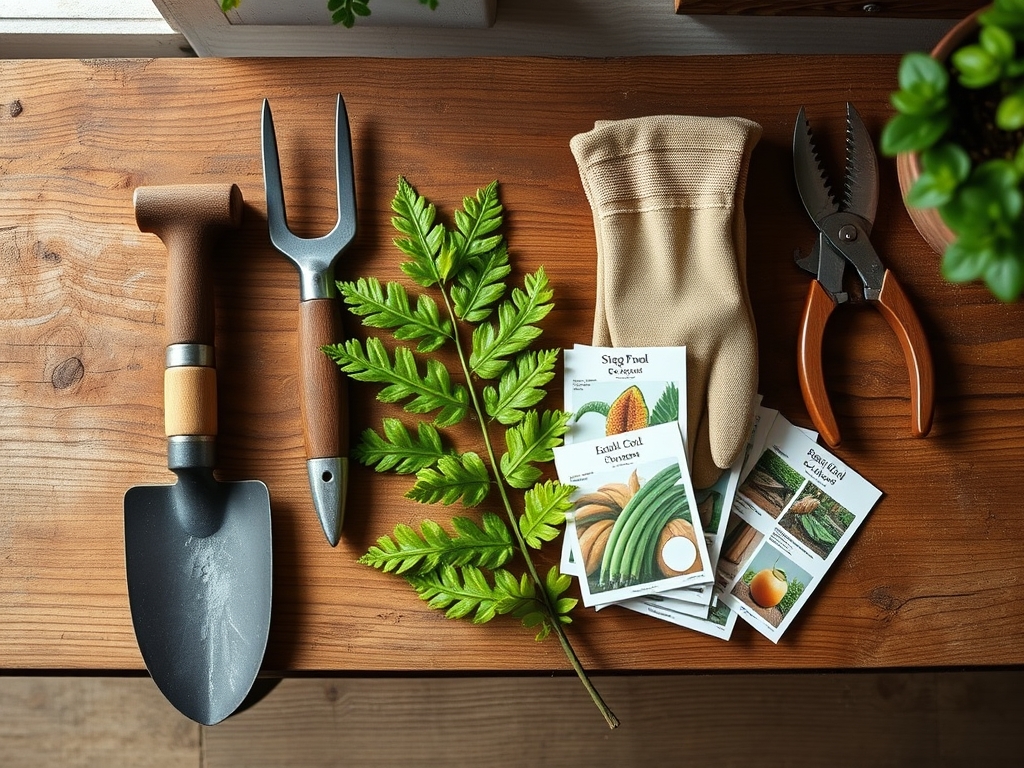
Materials:
Substrate selection is critical because staghorn ferns require a medium with high porosity and low bulk density. The ideal substrate is a mix of long-fiber sphagnum moss and coarse orchid bark, creating a friable, airy environment. Aim for a **pH range of 5.5 to 6.2**. This acidity facilitates optimal nutrient uptake.
Regarding nutrition, utilize a water-soluble fertilizer with an NPK ratio of 10-10-10 during the active growing season. During the cooler months, transition to a low-nitrogen formula like 5-15-15 to encourage structural integrity rather than rapid, weak vegetative growth. The Cation Exchange Capacity (CEC) of sphagnum is relatively low, meaning nutrients flush out quickly; therefore, frequent, dilute applications are more effective than sporadic, heavy doses.
Timing:
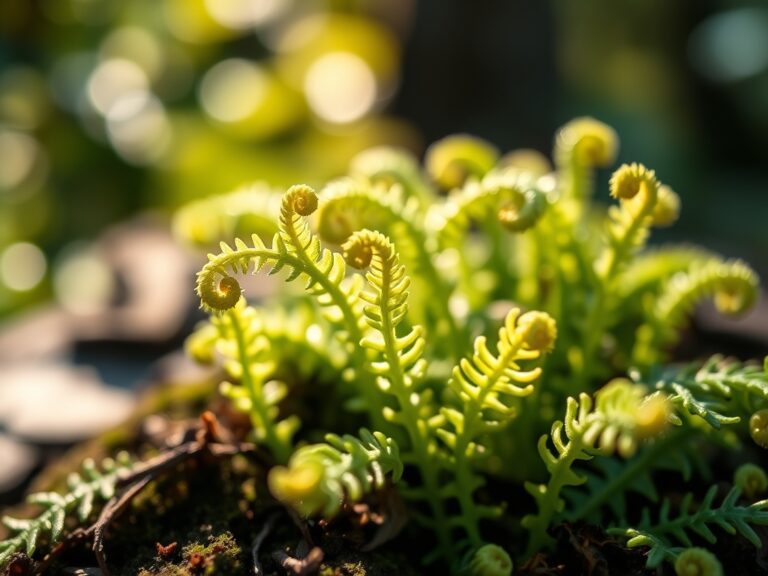
Staghorn ferns are primarily suited for USDA Hardiness Zones 9 through 11. In these regions, they can remain outdoors year-round. In colder zones, they must be transitioned indoors when ambient temperatures drop below 55 degrees Fahrenheit. The biological clock of the Platycerium is governed by the photoperiod. As daylight hours increase in the spring, the plant enters a vegetative surge, producing new sterile shield fronds. These shields overlap to protect the root mass and collect organic matter. By late summer, the plant shifts toward its reproductive stage, developing fertile antler fronds that produce spores on their undersides. This transition is triggered by a combination of light duration and a slight decrease in nocturnal temperatures.
Phases:
Sowing and Spore Propagation
Propagating from spores is a technical exercise in patience. Spores are harvested from the brown patches on the tips of fertile fronds and sown onto a sterilized, moist peat surface. Keep the environment at 75 to 80 degrees Fahrenheit with 90 percent humidity.
Pro-Tip: Maintain high humidity to facilitate the movement of sperm cells in the gametophyte stage. Without a thin film of water, fertilization cannot occur because the male gametes require a liquid medium to reach the archegonia.
Transplanting and Mounting
Mounting involves securing the fern to a cedar board or wire basket using monofilament line. Position the plant so the bud is facing upward to ensure natural growth patterns. Use a hori-hori knife to tuck extra moss around the root ball.
Pro-Tip: Do not cover the growing point (the bud) with moss. This avoids apical meristem rot, which occurs when gas exchange is restricted at the primary site of new cell division.
Establishing the Root System
During the first six months, the fern establishes its anchoring root system. The roots are fine and hair-like, requiring consistent moisture without saturation.
Pro-Tip: Use a soil moisture meter to probe the center of the moss ball. Maintaining consistent moisture levels encourages mycorrhizal symbiosis, where beneficial fungi extend the reach of the root system to improve phosphorus uptake.
The Clinic:
Physiological disorders in Platycerium often stem from environmental stressors rather than pathogens.
Symptom: Black spots at the base of the shield frond.
Solution: This indicates Rhizoctonia or similar fungal decay caused by overwatering. Reduce irrigation frequency and increase airflow. Ensure the substrate dries to a 30 percent moisture level before re-hydrating.
Symptom: Yellowing of the antler fronds (Chlorosis).
Solution: This is often a Nitrogen deficiency. Apply a 20-20-20 NPK foliar spray at half strength. If the veins remain green while the leaf turns yellow, it is likely an Iron or Magnesium deficiency, common in high pH environments.
Symptom: Wilting despite wet substrate.
Solution: Root senescence due to anaerobic conditions. The roots have died from lack of oxygen. Remove the plant from the mount, trim dead tissue with bypass pruners, and remount in fresh, coarse bark.
Fix-It for Calcium Deficiency: If new growth appears distorted or "hooked," supplement with a liquid calcium-magnesium additive. Calcium is immobile within the plant tissue; it must be consistently available in the rhizosphere to support new cell wall construction.
Maintenance:
Precision is the hallmark of professional care. A staghorn fern requires the equivalent of 1 to 1.5 inches of water per week. For mounted specimens, this is best achieved by submerging the entire mount in a basin of room-temperature water for 15 to 20 minutes. Allow the mount to drip dry before rehanging to prevent water from pooling in the crown.
Pruning should be minimal. Never remove the brown, papery shield fronds; these are vital for protecting the roots and retaining moisture. Only use bypass pruners to remove dead or heavily infested antler fronds. Sterilize tools with 70 percent isopropyl alcohol between cuts to prevent the mechanical transmission of pathogens. Monitor light levels using a light meter; aim for 1,000 to 2,000 foot-candles. Direct afternoon sun will cause cellular necrosis, while levels below 500 foot-candles will result in elongated, weak fronds.
The Yield:
While staghorn ferns are not edible, the "yield" is measured in the production of "pups" or offsets. These are clonal biproducts that emerge from the root system. To harvest a pup, wait until it is at least 4 inches in diameter. Use a sharp hori-hori knife to excise the pup, ensuring you take a significant portion of the connecting root mass. For "day-one" freshness and successful establishment, immediately wrap the pup's roots in damp sphagnum moss and secure it to a new mount. This minimizes transplant shock and prevents the desiccation of the sensitive vascular tissues.
FAQ:
How often should I water my staghorn fern?
Water once weekly in summer and every two to three weeks in winter. Submerge the mount for 20 minutes. Use a soil moisture meter to ensure the internal moss is dry before the next hydration cycle.
Why are the tips of my fern turning brown?
This usually indicates low humidity or salt buildup from tap water. Maintain humidity above 50 percent. Use rainwater or distilled water to flush the substrate and prevent mineral salts from desiccating the leaf tips.
Can staghorn ferns grow in low light?
They survive in low light but will not thrive. They require bright, indirect light. Without at least 1,000 foot-candles, the plant cannot produce enough energy through photosynthesis to grow new shield fronds or reproductive spores.
What fertilizer is best for staghorn ferns?
Use a balanced, water-soluble 10-10-10 NPK fertilizer. Dilute to half-strength and apply once a month during the growing season. This provides the necessary nitrogen for frond development and potassium for cellular water regulation.
Do I need to remove the brown shield fronds?
No. Brown shield fronds are a natural part of the plant anatomy. They provide structural support, protect the root zone, and serve as a reservoir for organic matter and moisture. Removing them can damage the root system.