8 Best Maidenhair Fern Tips for Success
The smell of damp humus and the distinct metallic tang of wet limestone define the habitat of a thriving Adiantum. To master these plants, you must maintain high turgor pressure within the delicate, fan-shaped pinnules. Success depends on mimicking the precise microclimates of forest floors. These best maidenhair fern tips focus on the physiological requirements of the plant; specifically its intolerance for dry air and its demand for consistent hydraulic conductivity within the growing medium.
Maintaining a maidenhair fern requires more than casual observation. It requires a commitment to monitoring the rhizosphere. If the soil moisture drops below a specific threshold, the fronds will undergo rapid senescence, turning brittle within hours. This guide provides the technical framework necessary to sustain these primitive vascular plants in a domestic or greenhouse environment. By focusing on soil chemistry and atmospheric moisture, you can prevent the common failures associated with this genus.
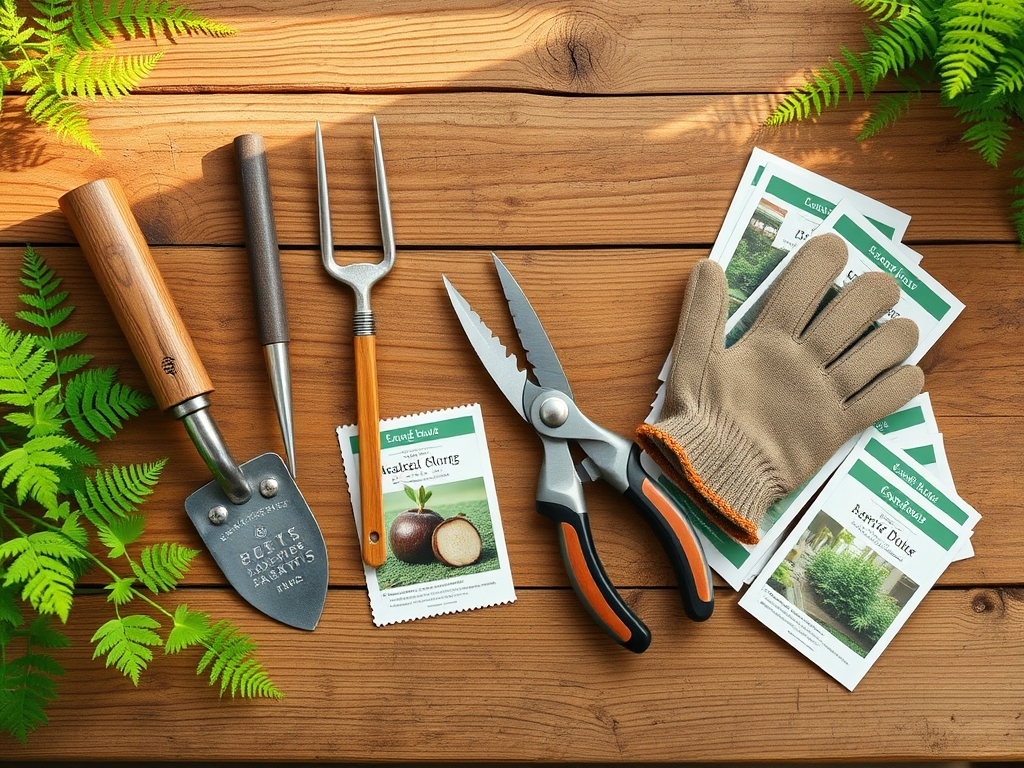
Materials:
The ideal substrate for Adiantum is a friable loam with a high organic matter content. You must aim for a soil pH between 6.0 and 7.0. While many ferns prefer acidic conditions, maidenhairs often thrive in limestone-rich environments. The substrate must facilitate a high Cation Exchange Capacity (CEC) to ensure nutrient availability.
Use a potting mix consisting of two parts peat moss or coconut coir, one part coarse perlite, and one part sterilized leaf mold. For fertilization, utilize a water-soluble macro-nutrient blend with an NPK ratio of 20-10-20. This specific ratio provides the nitrogen necessary for frond development while maintaining sufficient potassium for cellular osmotic regulation. Avoid heavy salts; the electrical conductivity (EC) of your irrigation water should remain low to prevent tip burn.
Timing:
Maidenhair ferns are generally hardy in USDA Zones 9 through 11, though specific species like Adiantum pedatum can survive in much colder climates down to Zone 3. The biological clock of the fern is dictated by the photoperiod and temperature fluctuations. In early spring, as soil temperatures reach 55 degrees Fahrenheit, the plant exits its dormant state and begins the vegetative stage.
The transition from vegetative growth to the reproductive stage is marked by the appearance of sori on the undersides of the pinnae. This usually occurs in late summer when day lengths begin to shorten. For indoor specimens, maintaining a consistent temperature between 65 and 75 degrees Fahrenheit ensures year-round growth. Avoid placing the plant near HVAC vents, as rapid temperature shifts and low humidity will trigger immediate leaf abscission.
Phases:
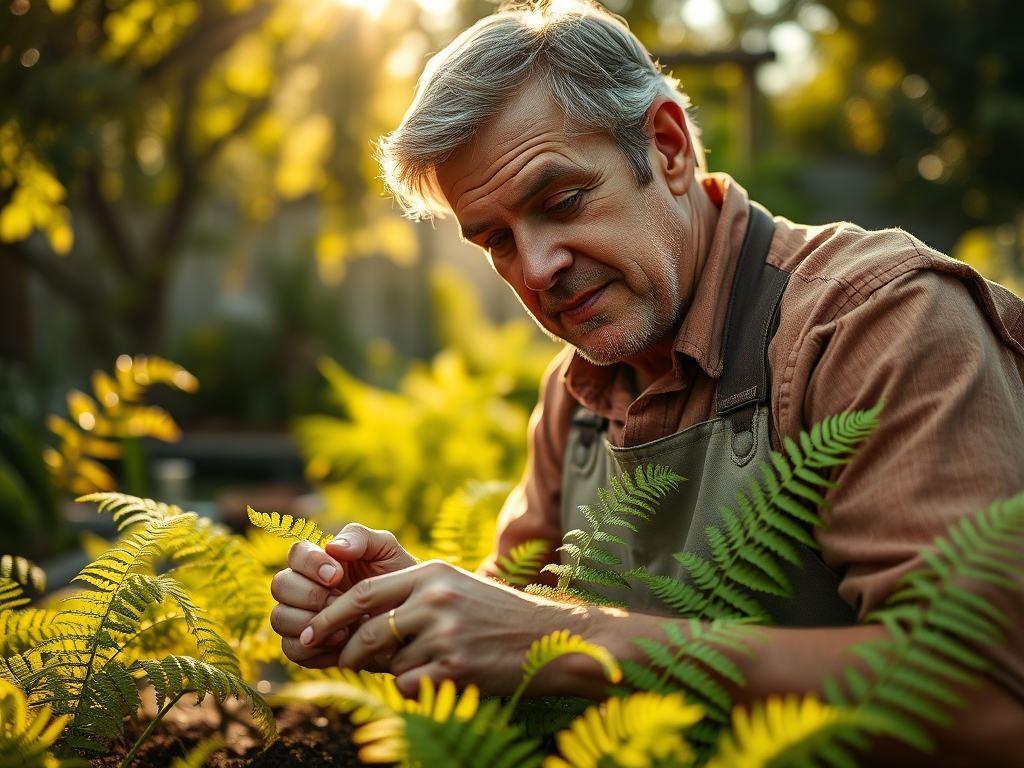
Sowing and Spore Propagation
Propagating from spores requires a sterile environment. Distribute spores across the surface of a moist, peat-based medium. Do not cover them; they require light to trigger the development of the prothallus.
Pro-Tip: Maintain a constant film of moisture on the substrate surface. This is essential because the sperm cells of ferns are flagellated and require a liquid medium to swim to the archegonia for fertilization.
Transplanting
When the fern outgrows its container or the substrate becomes compacted, transplanting is necessary to maintain oxygen diffusion to the roots. Use a hori-hori knife to gently tease the root ball if it has become pot-bound.
Pro-Tip: Ensure the crown of the fern sits exactly at the soil line. Planting too deep causes crown rot due to restricted gas exchange, while planting too shallow leads to desiccation of the shallow rhizomes.
Establishing
The first six weeks post-transplant are critical for establishing mycorrhizal symbiosis and root hair development. Keep the plant in a low-light area with 60 percent to 80 percent humidity.
Pro-Tip: Avoid fertilizing during the first 30 days. This encourages the plant to extend its root system in search of nutrients, strengthening the overall architecture of the root mass through auxin-driven root elongation.
The Clinic:
Physiological disorders in Adiantum are usually related to moisture levels or nutrient imbalances.
Symptom: Brittle, brown frond edges.
Solution: This indicates low atmospheric humidity or high salt accumulation in the soil. Increase local humidity to above 50 percent and leach the soil with distilled water to reduce EC levels.
Symptom: Yellowing of older fronds (Nitrogen chlorosis).
Solution: Apply a balanced liquid fertilizer at half-strength. Nitrogen is a mobile nutrient; the plant will pull it from older growth to support new pinnules if the soil is deficient.
Symptom: Soft, blackened stems at the soil line.
Solution: This is a sign of Pythium or other fungal pathogens caused by anaerobic soil conditions. Reduce irrigation frequency and improve drainage by adding coarse grit to the mix.
Fix-It for Magnesium Deficiency: If interveinal chlorosis appears on mature leaves, apply a solution of one teaspoon of Epsom salts per gallon of water. Magnesium is the central atom in the chlorophyll molecule; without it, photosynthesis declines.
Maintenance:
Precision is mandatory for long-term health. Provide 1.5 inches of water per week, ensuring the water penetrates the entire root zone. Use a soil moisture meter to verify that the substrate remains at a "moist" reading without reaching "saturated."
Pruning should be performed with sharp bypass pruners to ensure clean cuts that heal quickly. Remove any fronds that show signs of senescence or mechanical damage at the base of the petiole. This improves airflow through the canopy and reduces the risk of fungal infections. For outdoor ferns, apply a two-inch layer of organic mulch to regulate soil temperature and maintain the hydration of the upper rhizosphere.
The Yield:
While maidenhair ferns are primarily ornamental, those harvesting fronds for floral arrangements must focus on post-harvest turgidity. Harvest fronds in the early morning when the plant is at maximum hydration. Use a sharp blade to cut the stem at a 45-degree angle.
Immediately submerge the cut ends in 70-degree Fahrenheit water. To extend the "day-one" freshness, some professionals completely submerge the entire frond in cool water for ten minutes before use. This allows the pinnules to absorb moisture directly through the cuticle, reinforcing the cell walls against wilting.
FAQ:
How much light does a maidenhair fern need?
They require indirect, filtered light. Aim for 100 to 400 foot-candles. Direct solar radiation will cause rapid transpiration, leading to scorched pinnae and irreversible cellular damage within minutes of exposure to high UV indices.
Why are my fern fronds turning brown?
This is typically caused by a lack of humidity or inconsistent soil moisture. If the substrate dries out completely, the vascular system collapses. Maintain humidity levels above 50 percent and never allow the rhizosphere to become desiccated.
Can I grow maidenhair ferns in tap water?
It depends on the mineral content. High levels of chlorine, fluoride, or dissolved salts can cause chemical burns on the roots. Use distilled water or rainwater if your tap water has a high TDS (Total Dissolved Solids) count.
How often should I fertilize?
During the active growing season, apply a diluted liquid fertilizer every four to six weeks. Use a balanced NPK ratio like 20-10-20. Stop fertilization during the winter months when the plant's metabolic rate slows and nutrient uptake decreases.