8 Best Non Toxic Indoor Plants for Pets
Damp earth smells of geosmin and active microbial life when you press a thumb into the potting medium. A healthy leaf maintains high turgor pressure; its cellular walls are rigid and flush with water. For pet owners, the priority is selecting the best non toxic indoor plants that provide this botanical structure without the risk of calcium oxalate crystals or alkaloids. These eight species offer safety and physiological resilience in a controlled indoor environment.
The selection includes the Chlorophytum comosum (Spider Plant), Nephrolepis exaltata (Boston Fern), Calathea orbifolia, Chamaedorea elegans (Parlor Palm), Beaucarnea recurvata (Ponytail Palm), Schlumbergera (Christmas Cactus), Hoya carnosa (Wax Plant), and Saintpaulia (African Violet). Each of these specimens interacts with the indoor rhizosphere differently, requiring specific mineral inputs and light intervals to maintain metabolic health. Choosing the best non toxic indoor plants is a matter of matching the plant's native ecological niche to the microclimate of your living space. Success is measured in leaf span and root density rather than mere survival.
Materials:
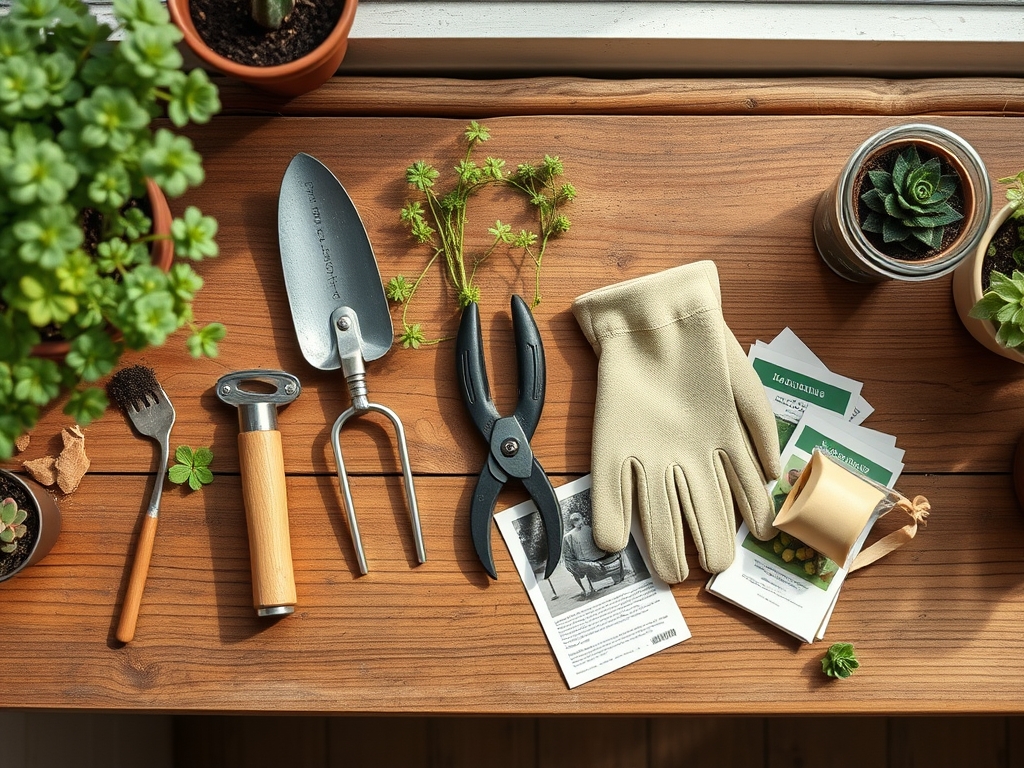
The substrate is the foundation of plant health. For most non toxic tropicals, you require a friable loam that balances drainage with water retention. This is achieved through a mix of 40 percent peat or coco coir, 30 percent perlite, and 30 percent composted organic matter.
Soil pH and NPK Ratios:
- Spider Plants and Ferns: Target a pH of 6.0 to 6.5. Use a balanced NPK ratio of 10-10-10 during the active growing season.
- Calathea and Palms: These prefer a slightly more acidic range of 5.5 to 6.0. Use a 3-1-2 ratio to prioritize nitrogen for foliage development.
- Hoya and Ponytail Palms: Require high drainage. Use a 1-2-2 ratio once mature to encourage blooming and root stability.
The Cation Exchange Capacity (CEC) of your soil determines how well it holds onto nutrients like magnesium and potassium. High organic matter increases the CEC, preventing nutrient leaching during irrigation.
Timing:
While these are indoor plants, they are governed by the Biological Clock of their native origins, typically Hardiness Zones 9 through 11. The transition from the vegetative stage to the reproductive stage (flowering) is triggered by the photoperiod.
For the Schlumbergera, a decrease in light to less than 10 hours per day combined with temperatures between 55 and 65 degrees Fahrenheit is required to initiate bud set. Most indoor species should be repotted or propagated in early spring, specifically 14 to 21 days before the local outdoor last frost date. This aligns with the plant's natural surge in auxin production as day lengths increase.
Phases:
Sowing and Propagation
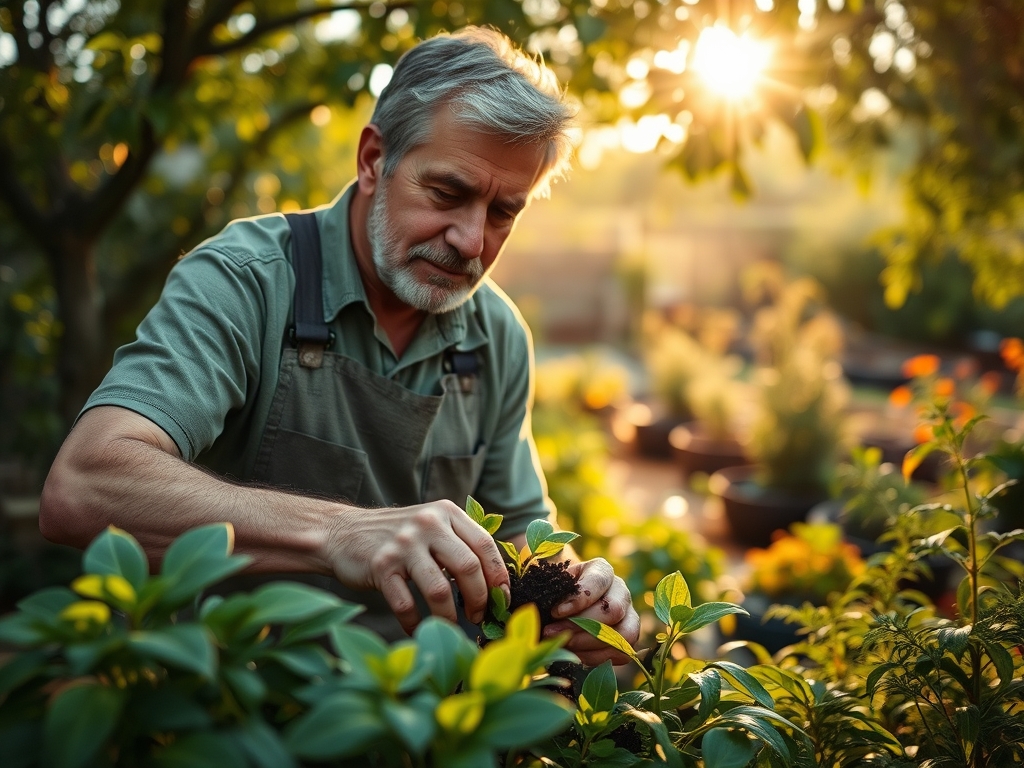
Most non toxic indoor plants are started from cuttings or offsets rather than seeds. For the Chlorophytum comosum, identify the "spiderettes" hanging from the mother plant. Ensure the offset has at least two to three aerial root primordia before severing.
Pro-Tip: Use a sterilized blade to avoid pathogen transfer. The Biological Why involves auxin suppression. When you sever the offset, you remove the apical dominance of the mother plant, allowing the offset to redirect its hormonal energy into root development via the rhizosphere.
Transplanting
Move your plants into containers only 2 inches larger in diameter than the current root ball. Excessive soil volume leads to "perched water tables" where the bottom of the pot remains anaerobic.
Pro-Tip: Gently tease the outer roots if they are circling the pot. The Biological Why is to disrupt thigmotropism, a directional growth movement which, if left unchecked, causes the roots to continue growing in a circle even in a larger pot, eventually strangling the plant.
Establishing
During the first 30 days post-transplant, maintain high humidity (above 60 percent) to reduce transpiration stress. Monitor the stomata; if they close due to dry air, the plant cannot perform gas exchange, halting photosynthesis.
Pro-Tip: Apply a mycorrhizal inoculant to the root zone. The Biological Why is mycorrhizal symbiosis. These fungi extend the reach of the root system, increasing the surface area for phosphorus absorption by up to 10 times.
The Clinic:
Physiological disorders often mimic pest damage but are usually rooted in environmental stress.
- Symptom: Interveinal Chlorosis (yellowing between leaf veins).
- Solution: This indicates a Magnesium deficiency. Apply a solution of one tablespoon of Epsom salts per gallon of water to restore chlorophyll production.
- Symptom: Tip Necrosis (brown, crispy leaf tips).
- Solution: Common in Spider Plants and Ferns. This is often caused by fluoride or chloride toxicity from municipal water. Switch to distilled water or rainwater to flush the salts.
- Symptom: Leaf Abscission (sudden dropping of green leaves).
- Solution: This is a response to thermal shock or sudden light changes. Ensure the plant is not in the path of an HVAC vent. Maintain a consistent temperature delta of no more than 10 degrees.
Fix-It for Nitrogen Chlorosis: If the oldest leaves turn uniformly pale yellow, the plant is scavenging nitrogen for new growth. Apply a high-nitrogen liquid fertilizer (20-10-10) at half strength immediately.
Maintenance:
Precision is the difference between a surviving plant and a thriving one. Use a soil moisture meter to verify that the top 2 inches of soil are dry before adding water. For a standard 10 inch pot, aim for 1.5 inches of water applied evenly around the drip line to ensure the entire root mass is hydrated.
Pruning should be done with sharp bypass pruners to ensure clean cuts that callus over quickly. Use a hori-hori knife for dividing overgrown clumps of ferns or spider plants. This tool allows you to slice through dense rhizomes with minimal tearing of the vascular tissue. Clean your tools with 70 percent isopropyl alcohol between plants to prevent the spread of fungal spores.
The Yield:
For flowering non toxic plants like the Hoya or African Violet, the "yield" is the bloom. To maximize the duration of the flowers, deadhead spent blooms immediately by cutting back to the first leaf node. This prevents the plant from entering the senescence phase where it directs energy into seed production.
For the Wax Plant (Hoya), never cut the "peduncle" or flower stalk. These plants bloom from the same spot every year. Removing the peduncle permanently reduces the plant's flowering capacity. Post-bloom, reduce nitrogen and increase potassium to strengthen the cellular structure for the next cycle.
FAQ:
Which non toxic plant is best for low light?
The Chamaedorea elegans (Parlor Palm) thrives in low light. It maintains photosynthesis at light levels as low as 50 foot-candles. Avoid direct sun, which causes solarization and destroys chlorophyll in the fronds.
How often should I water a Boston Fern?
Keep the substrate consistently moist but not saturated. Water when the surface feels dry. These ferns require high humidity (above 50 percent) to prevent desiccation of the delicate pinnae. Use a pebble tray to increase local transpiration.
Are succulents safe for cats?
Many are, but some are not. The Schlumbergera (Christmas Cactus) and Haworthia species are safe. Avoid Kalanchoe and Aloe, which contain toxins. Always verify the specific genus and species before introducing a succulent to a pet-friendly home.
Why are my Spider Plant leaves turning brown?
This is typically caused by salt accumulation or fluoride in tap water. Spider plants are sensitive to mineral buildup in the leaf tips. Flush the soil with distilled water and maintain a consistent irrigation schedule to regulate turgor.