7 Creative Ways How to Build a Garden Trellis
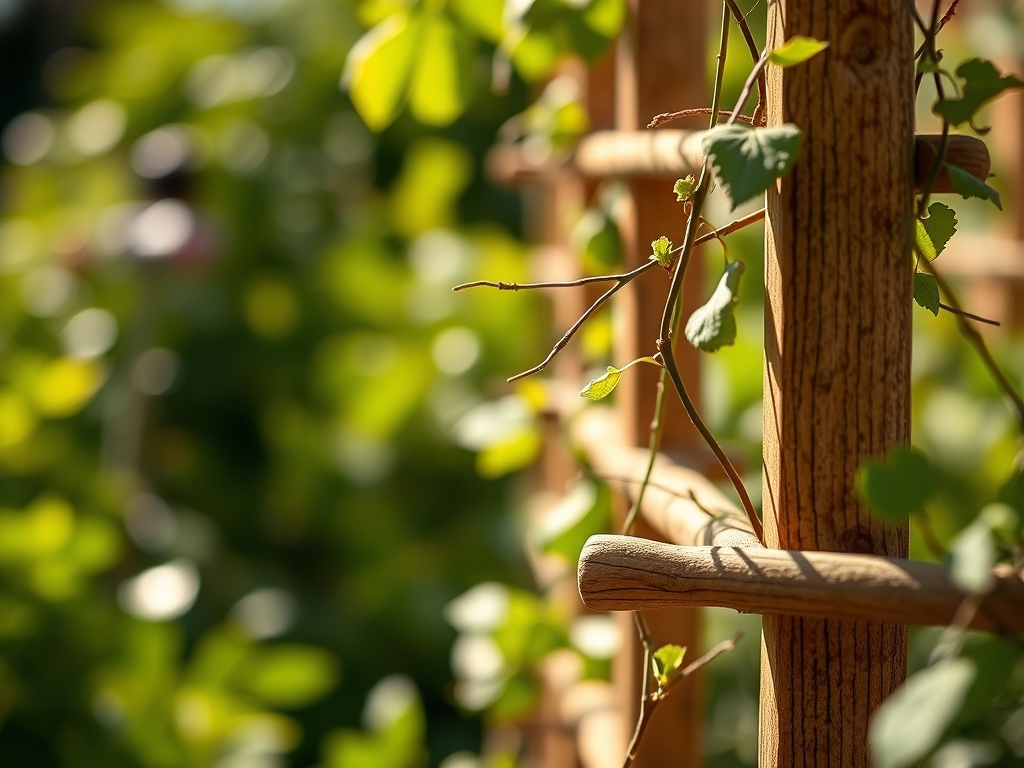
Crushed perlite dust and the sharp, metallic scent of damp mineral soil signal the start of the growing season. Successful vertical cultivation relies on the structural integrity of the support system to maintain leaf turgor pressure and optimize sunlight interception. Learning how to build a garden trellis requires more than basic carpentry; it involves understanding the load-bearing requirements of heavy fruiting bodies and the physiological needs of climbing vines. A well-engineered trellis prevents soil-borne pathogens from colonizing the foliage by improving airflow and reducing relative humidity within the plant canopy.
Materials:
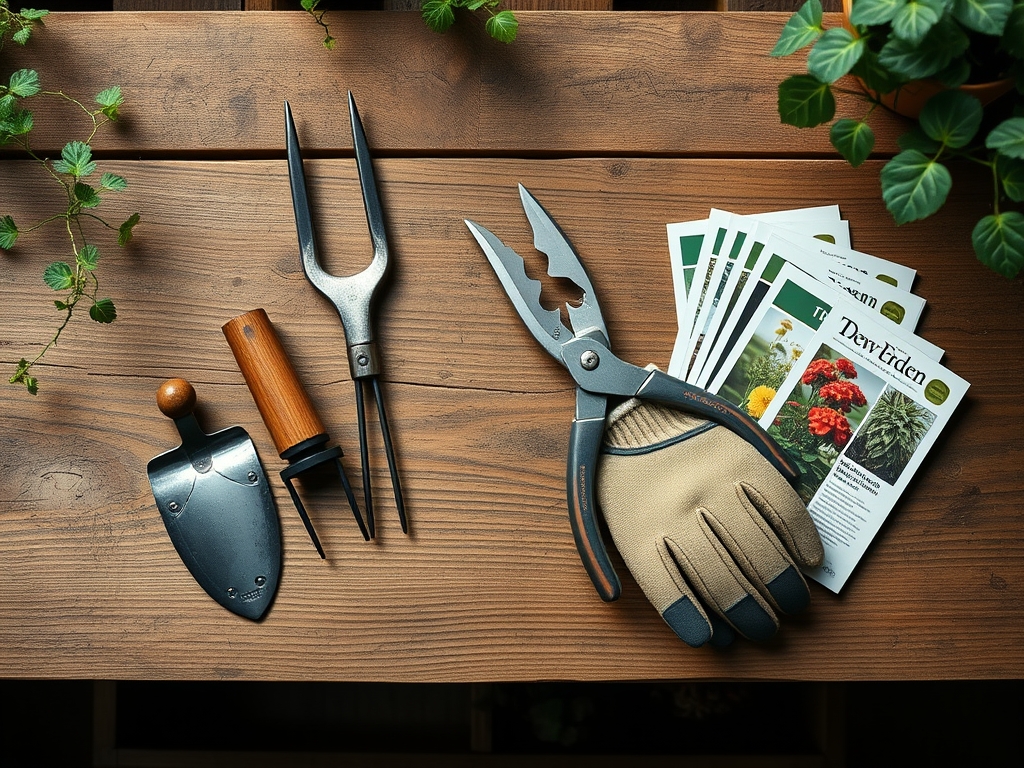
The foundation of any vertical system is the substrate. For high-demand climbers like *Cucurbita pepo* or *Phaseolus vulgaris*, the soil must be a **friable loam** with a high **Cation Exchange Capacity (CEC)** to ensure nutrient availability. Aim for a soil pH between **6.2 and 6.8** to maximize phosphorus uptake. Before installation, incorporate a balanced organic fertilizer with an **NPK ratio of 5-10-10** for root development or **10-10-10** for general vegetative growth. High nitrogen levels (the first number) encourage lush leaf production but can delay the transition to reproductive stages if not balanced with potassium.
Timing:
Installation must occur before the root system establishes to avoid damaging the rhizosphere. In Hardiness Zones 5 through 7, structural work begins in late March or early April, immediately following the final frost. The biological clock of the plant is governed by the photoperiod; as day length increases, hormonal shifts trigger rapid cell elongation. For indeterminate tomato varieties or pole beans, the trellis must be in place when the plant reaches 6 to 8 inches in height. This ensures the primary stem can be trained before the lignification of tissues makes the stalks brittle.
Phases:
Sowing and Site Selection
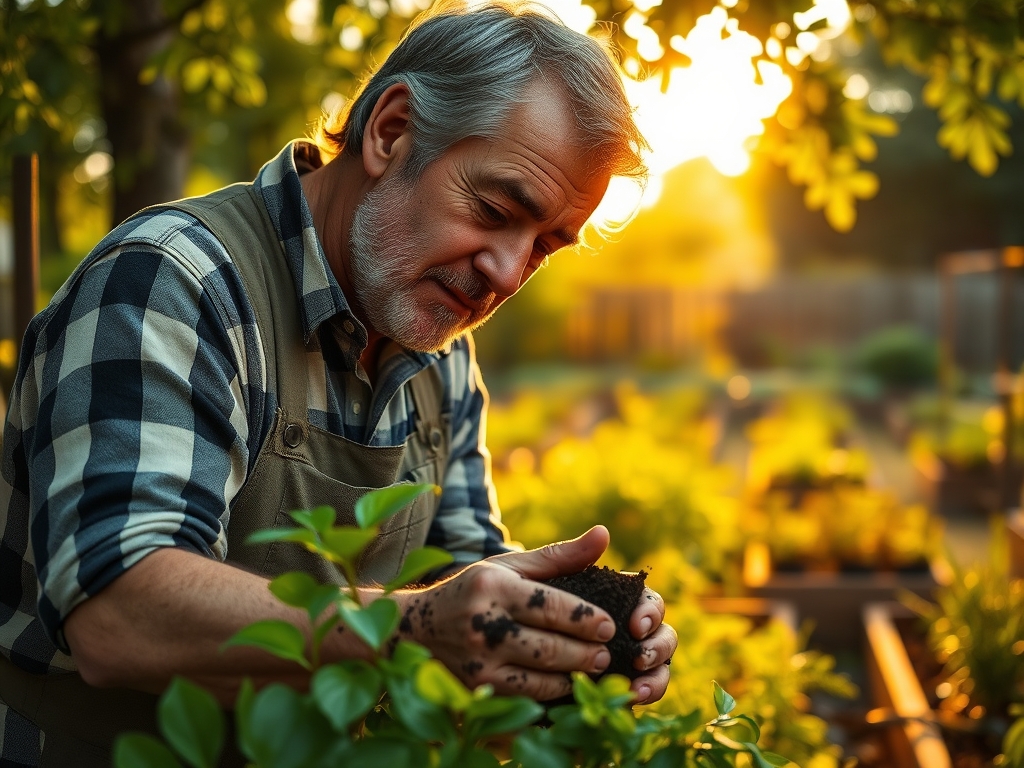
Select a site receiving at least 8 hours of direct solar radiation. When sowing seeds at the base of your trellis, maintain a depth of 1 inch for large seeds and 0.25 inches for smaller varieties. Ensure the soil temperature has reached a consistent 60 degrees Fahrenheit to prevent seed rot and ensure uniform germination.
Pro-Tip: Utilize mycorrhizal symbiosis by inoculating seeds with beneficial fungi. This biological partnership extends the root system's reach, increasing the surface area for water and phosphorus absorption by up to 100 times.
Transplanting and Anchoring
When moving seedlings from flats to the trellis base, handle the root ball with a hori-hori knife to minimize transplant shock. Space plants 12 to 18 inches apart to allow for lateral expansion. Secure the main lead to the trellis using soft garden twine, ensuring the knot is loose enough to accommodate secondary thickening of the stem.
Pro-Tip: Practice auxin suppression by gently bending the main leader. This redistributes growth hormones, encouraging the development of lateral "suckers" or side branches, which increases the total photosynthetic area and potential yield.
Establishing and Training
As the plant enters the rapid vegetative phase, monitor the tendrils or twining stems daily. Guide new growth toward the support structure to prevent the plant from sprawling on the ground. Use a soil moisture meter to ensure the root zone remains consistently hydrated at a depth of 6 inches.
Pro-Tip: Maximize phototropism by orienting your trellis on a North-South axis. This prevents the structure itself from casting a shadow over the crop during the peak intensity of the midday sun, ensuring all leaves reach their maximum photosynthetic rate.
The Clinic:
Physiological disorders often manifest when the vertical environment is poorly managed.
-
Symptom: Blossom End Rot. Sunken, leathery black spots on the base of fruits.
Solution: This is a localized calcium deficiency caused by inconsistent transpirational flow. Maintain a steady watering schedule of 1.5 inches per week to ensure calcium ions move from the soil into the fruit. -
Symptom: Nitrogen Chlorosis. General yellowing of older, lower leaves while veins remain green.
Solution: Apply a water-soluble fertilizer with a high first-number NPK ratio (e.g., 20-10-10) to restore chlorophyll production. -
Symptom: Leaf Scorch. Brown, crispy margins on the foliage.
Solution: This indicates a high transpiration rate exceeding the roots' ability to supply water. Increase irrigation frequency and consider a 50 percent shade cloth during extreme heat spikes above 95 degrees Fahrenheit.
Maintenance:
Precision is mandatory for high-yield vertical gardening. Use bypass pruners to remove non-productive "sucker" growth, which redirects energy to fruit development. Sterilize tools with 70 percent isopropyl alcohol between plants to prevent the spread of viral pathogens. Apply 1.5 inches of water per week directly at the drip line; avoid overhead irrigation to minimize the risk of powdery mildew. Monitor the soil with a moisture meter to keep the root zone between 60 and 80 percent field capacity.
The Yield:
Harvesting from a trellis requires timing based on senescence indicators. For legumes, harvest when pods are firm and seeds are barely visible to ensure peak sugar content. For heavy fruits like melons grown vertically, use mesh slings to prevent the fruit from detaching prematurely due to gravity. Use a sharp knife to cut the peduncle, leaving 1 inch of stem attached to prevent desiccation. For "day-one" freshness, harvest in the early morning when turgor pressure is highest and immediately move the produce to a cool, shaded environment to remove field heat.
FAQ:
What is the best material for a heavy-duty trellis?
Use 14-gauge galvanized steel cattle panels or pressure-treated 2×4 lumber. These materials withstand the weight of heavy vines and resist environmental degradation. Steel provides superior longevity and can be sanitized easily to prevent pathogen carryover between seasons.
How deep should trellis posts be buried?
Anchor main support posts at least 18 to 24 inches deep. For structures over 6 feet tall, use concrete footings or lateral guy-wires to counteract wind load and the significant weight of mature fruit and wet foliage.
Can I build a trellis for containers?
Yes. Use a triangular obelisk or a circular wire cage secured directly to the interior of the pot. Ensure the container has a minimum volume of 5 gallons to provide enough ballast to prevent the structure from tipping.
How do I prevent the trellis from shading other plants?
Position the trellis on the north side of the garden plot. This orientation ensures that as the sun moves across the sky, the shadow falls outside the growing area, protecting smaller, sun-loving crops from being light-deprived.