6 Best Willow Branches for Weaving
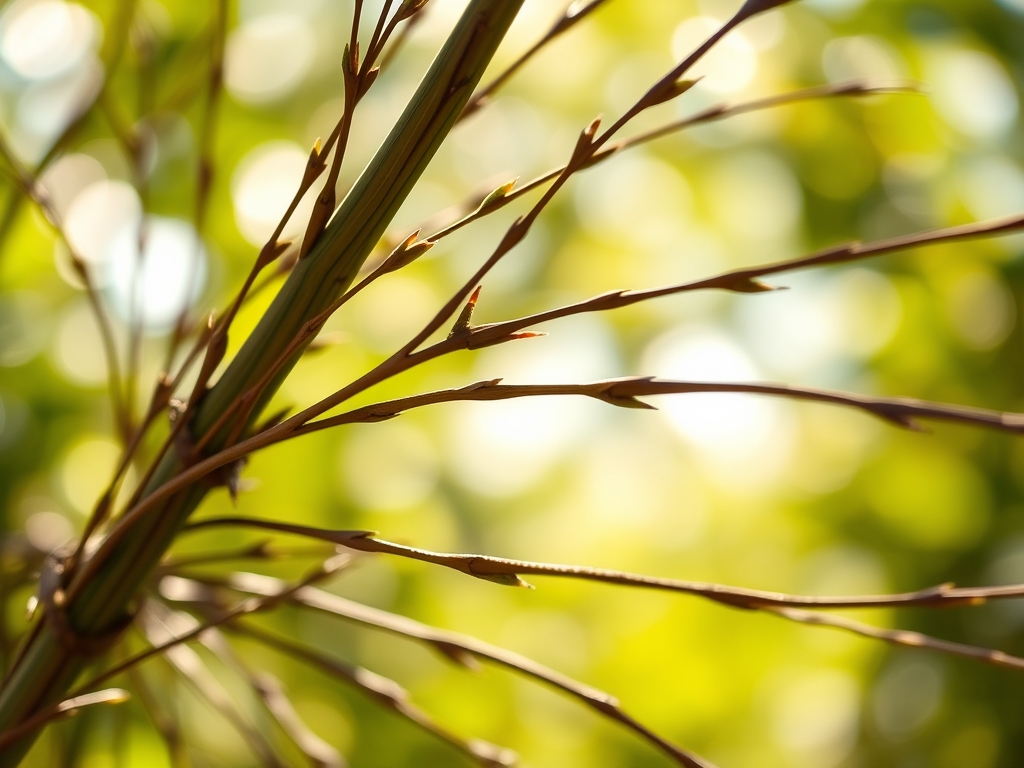
The scent of anaerobic decomposition in a saturated riverbank signifies the prime environment for Salix species. When you grasp a dormant rod, the cold bark should feel smooth and the internal turgor pressure must resist snapping. Selecting the best willow branches for weaving requires a deep understanding of cellular elasticity and tensile strength. A master weaver looks for rods that exhibit minimal lateral branching and high pith-to-wood ratios. These botanical characteristics ensure the material remains pliable during the drying and rehydration cycles. Success in osier production depends entirely on the chemical composition of the rhizosphere and the timing of the winter harvest. You are not merely growing sticks; you are managing a perennial system of biomass production where each node represents a potential structural element. Proper cultivation ensures that the vascular cambium remains active enough to produce long, straight leaders without the brittle lignification found in unmanaged wild stands.
Materials:
Willow thrives in a friable loam with a high water-holding capacity. The soil pH must remain between **5.5 and 7.5** to ensure nutrient availability. High Cation Exchange Capacity (CEC) is preferable, as it allows the soil to retain essential minerals against the leaching effects of heavy irrigation.
For establishment, target an NPK ratio of 10-10-10 to support both root development and initial shoot extension. Once the stool (the base of the plant) is established, shift to a high-nitrogen regimen of 20-10-10 in early spring. This stimulates the rapid vegetative growth necessary for long, unbranched rods. The substrate should be rich in organic matter, ideally exceeding 5 percent, to maintain the moisture levels required for high transpiration rates.
Timing:
Most basketry willows are hardy across USDA Zones 3 through 8. The biological clock of the Salix genus is governed by the photoperiod; growth accelerates as day length increases following the vernal equinox.
Harvesting must occur during the period of winter dormancy, typically between November and March, after the first hard frost has triggered senescence. This is when the sap has retreated to the root system, reducing the moisture content of the rods and preventing the bark from slipping. If you harvest during the vegetative stage, the high auxin levels and active cambium will cause the bark to peel easily, which is only desirable if you are producing "white" willow. For "buff" or "brown" willow, dormant harvesting is mandatory to maintain structural integrity.
Phases:

Sowing (Cuttings)
Willow is rarely grown from seed for weaving; instead, use 10-inch to 12-inch hardwood cuttings (sets). Insert the cuttings into the soil during late winter, leaving only 2 inches of the rod exposed above the surface. Ensure the vegetative buds are pointing upward to maintain correct polarity.
Pro-Tip: Maintaining correct polarity is essential because of auxin transport. Auxins move basipetally (downward) from the apex to the base. If a cutting is planted upside down, the hormonal flow is disrupted, preventing root initiation at the nodes.
Transplanting
If moving established stools, do so while the plant is in deep dormancy. Dig a hole twice the width of the root ball to allow for rapid expansion into the surrounding soil. Ensure the soil is packed firmly to eliminate air pockets that could desiccate the fine root hairs.
Pro-Tip: Mycorrhizal fungi inoculation during transplanting enhances nutrient uptake. These symbiotic fungi extend the reach of the root system, allowing the willow to access phosphorus and water that would otherwise be chemically bound or physically unreachable in the soil matrix.
Establishing
During the first growing season, suppress all weed competition within a 12-inch radius of the cutting. The young willow must prioritize the development of a robust root system over top-growth. Prune back any secondary lateral branches to force energy into the primary leader.
Pro-Tip: Pruning lateral buds utilizes apical dominance. By removing side shoots, you concentrate the plant's energy and growth hormones into the terminal bud, resulting in the long, straight, unbranched rods required for high-quality weaving.
The Clinic:
Symptom: Interveinal Chlorosis
Solution: This typically indicates a Manganese or Iron deficiency, often caused by a soil pH that is too alkaline (above 7.5).
Fix-It: Apply chelated iron or sulfur to lower the pH and increase the bioavailability of micronutrients.
Symptom: Stunted Growth and Purple Leaves
Solution: This is a classic sign of Phosphorus deficiency, which limits ATP production and cellular energy transfer.
Fix-It: Incorporate bone meal or triple superphosphate into the root zone at a rate of 2 pounds per 100 square feet.
Symptom: Premature Leaf Drop (Scab)
Solution: Fungal pathogens like Venturia saliciperda thrive in high humidity with poor airflow.
Fix-It: Increase spacing between stools to 18 inches and prune for better air penetration. Remove and incinerate all infected leaf litter during the dormant season.
Maintenance:
Precision water management is the backbone of willow cultivation. Provide at least 1.5 inches of water per week at the drip line during the peak growing season. Use a soil moisture meter to ensure the rhizosphere remains consistently damp but not waterlogged for extended periods, which can lead to root rot.
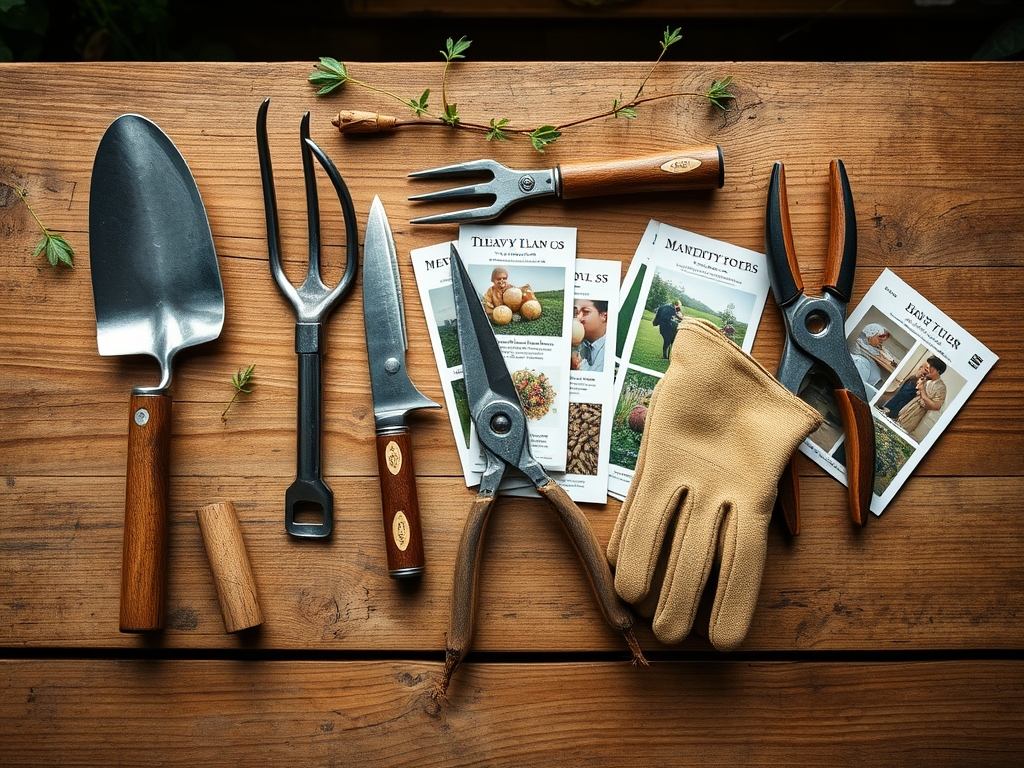
Utilize a hori-hori knife for weeding around the base of the stools to avoid damaging the shallow lateral roots. For harvesting, use bypass pruners to make clean, slanted cuts as close to the stool as possible. This "coppicing" technique encourages the plant to send up a flush of new, vigorous rods the following spring. Apply a layer of wood chip mulch 3 inches deep to suppress weeds and maintain soil cool-season temperatures.
The Yield:
The best willow branches for weaving are harvested once the leaves have fallen and the wood has "ripened." The six primary varieties for professional use include:
- Salix triandra 'Black Maul': The industry standard for basketry due to its exceptional flexibility.
- Salix viminalis: Known for long, vigorous growth, ideal for large-scale structures and hurdles.
- Salix purpurea 'Abbeys': Produces slender, tough rods with a distinctive purple hue.
- Salix alba 'Vitellina': Valued for its golden-yellow bark and high tensile strength.
- Salix fragilis: Useful for heavy ribbing in baskets; characterized by its crackling sound when broken.
- Salix daphnoides: Notable for its waxy bloom and deep violet bark.
Post-harvest, sort the rods by length in 1-foot increments. Store them upright in a cool, dry, dark location. To maintain "day-one" freshness for weaving, the rods must be dried completely to prevent mold, then soaked in water for 1 to 2 weeks (depending on thickness) immediately before use to restore cellular turgor.
FAQ:
Which willow is best for fine basketry?
Salix triandra, specifically the 'Black Maul' cultivar, is the most versatile. It offers a superior balance of length, taper, and flexibility. It is the professional standard for both functional and decorative weaving projects.
How long do I soak dried willow?
Soaking time depends on rod diameter and water temperature. Generally, brown willow requires one day of soaking per foot of length. Use a weighted trough to keep rods fully submerged to ensure uniform rehydration of the fibers.
Can I weave with fresh willow?
You can, but the project will lose structural integrity. Fresh willow contains high moisture levels; as it dries, the rods shrink. This creates gaps in the weave, resulting in a loose, unstable finished product. Always dry and rehydrate.
How often should I coppice my willow?
For weaving material, you must coppice annually. Cutting the rods back to the stool every winter during dormancy forces the plant to produce long, straight, unbranched "withies." Skipping a year results in heavy, branched wood unsuitable for weaving.