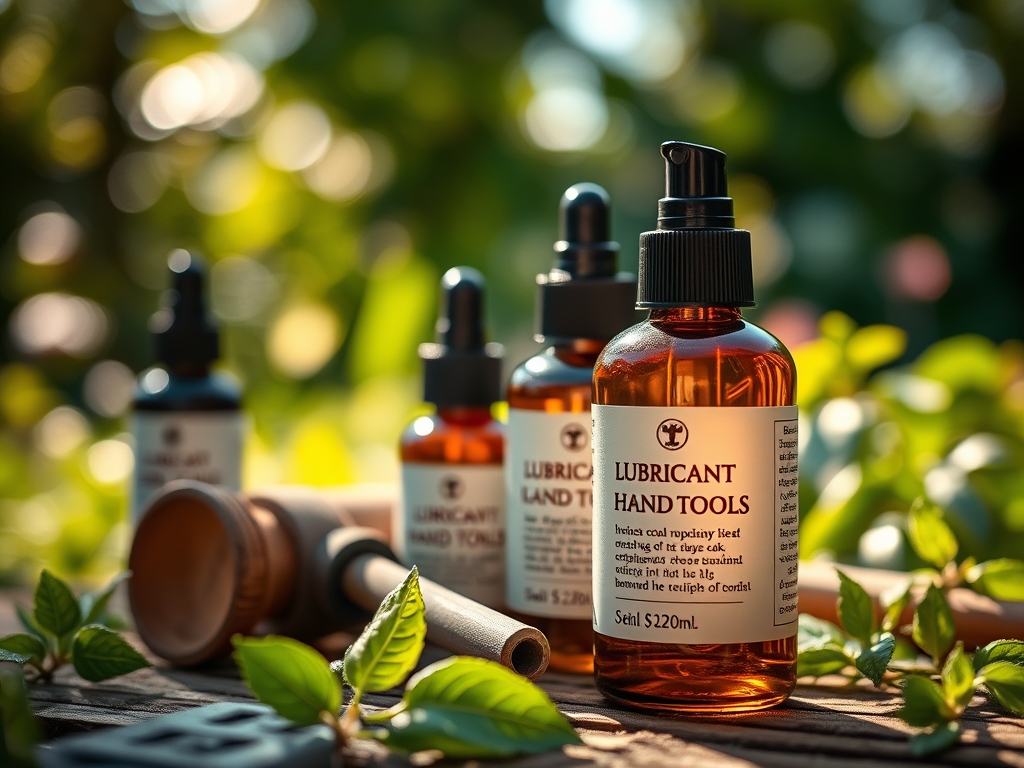
7 Best Lubricants for Hand Tools
The scent of damp earth and the high turgor pressure of a healthy leaf signify a garden in peak physiological condition. When cellular walls are rigid and the rhizosphere is teeming with microbial activity, the gardener must match that biological efficiency with mechanical precision. Maintaining high performance in the field requires the best lubricants for hand tools to prevent oxidation and ensure clean vascular cuts. Friction on a bypass pruner does more than fatigue the hand; it creates jagged edges on the plant stem that invite pathogens. A sharp, lubricated blade ensures a clean separation of the xylem and phloem. This prevents the crushing of delicate tissues and allows the plant to seal the wound through natural compartmentalization. To maintain this level of horticultural excellence, the tools must operate with zero mechanical resistance. A single drop of high viscosity oil can be the difference between a successful graft and a failed infection site.
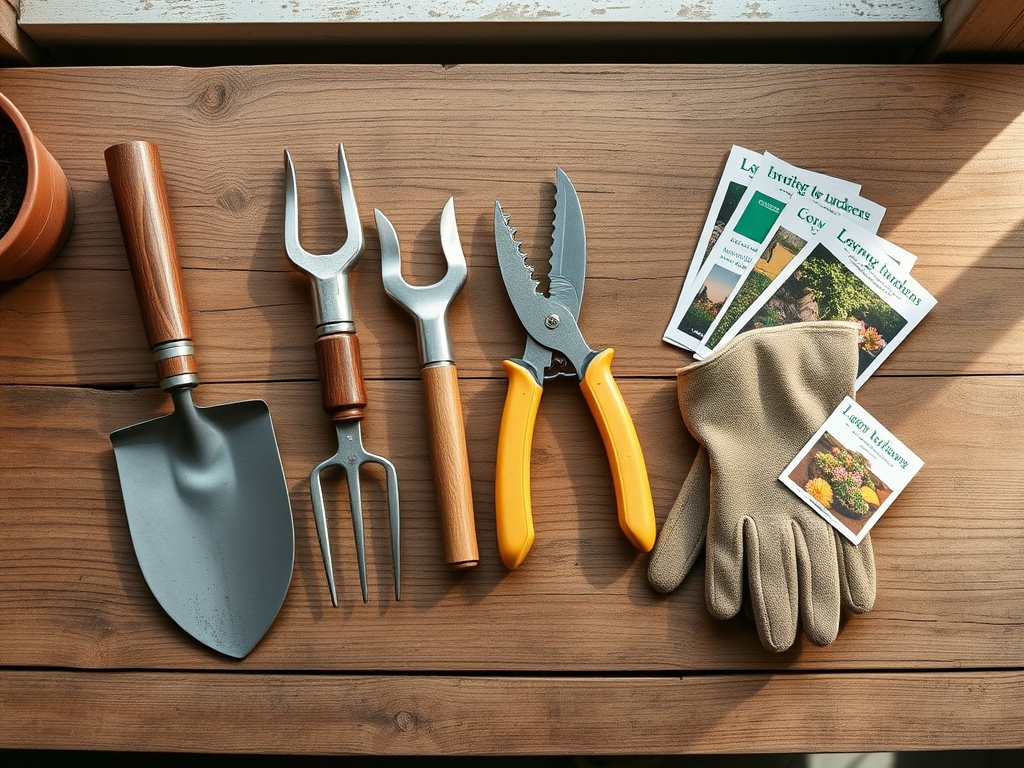
Materials:
A successful harvest begins with the substrate. For most temperate perennials and annuals, aim for a **friable loam** with a **Soil Cation Exchange Capacity (CEC) between 15 and 25 meq/100g**. This ensures the soil can hold and exchange essential cations like Calcium and Magnesium. The ideal soil pH for nutrient availability is **6.2 to 6.8**. When preparing the site, integrate organic matter to reach a target **NPK ratio of 5-10-5** for root establishment. High phosphorus levels are critical for early ATP production and root elongation. If the soil is too compacted, the bulk density will exceed **1.6 g/cm3**, which prevents oxygen from reaching the root zone and halts cellular respiration.
Timing:
The biological clock of the garden is dictated by the photoperiod and soil temperature. In Hardiness Zones 5 through 7, the window for transplanting opens when soil temperatures consistently hit 55 degrees Fahrenheit. This transition from the vegetative stage to the reproductive stage is triggered by hormonal shifts within the plant. As day length increases, the production of gibberellins accelerates stem elongation. You must time your pruning and tool maintenance before the sap begins to flow heavily in early spring. Pruning during the dormant phase reduces the loss of carbohydrates stored in the woody tissues. Monitor the frost-date windows closely; a late spring frost can cause ice crystals to form within the extracellular spaces, leading to cell rupture and necrosis.
Phases:

Sowing
Direct sow seeds at a depth exactly three times the diameter of the seed. This ensures adequate moisture contact while allowing the hypocotyl to reach the surface before endosperm energy reserves are exhausted. Maintain a consistent moisture level to prevent the seed coat from hardening.
Pro-Tip: Proper seed-to-soil contact facilitates imbibition, the physical uptake of water that activates metabolic enzymes. Without this initial hydraulic pressure, the germination process cannot initiate.
Transplanting
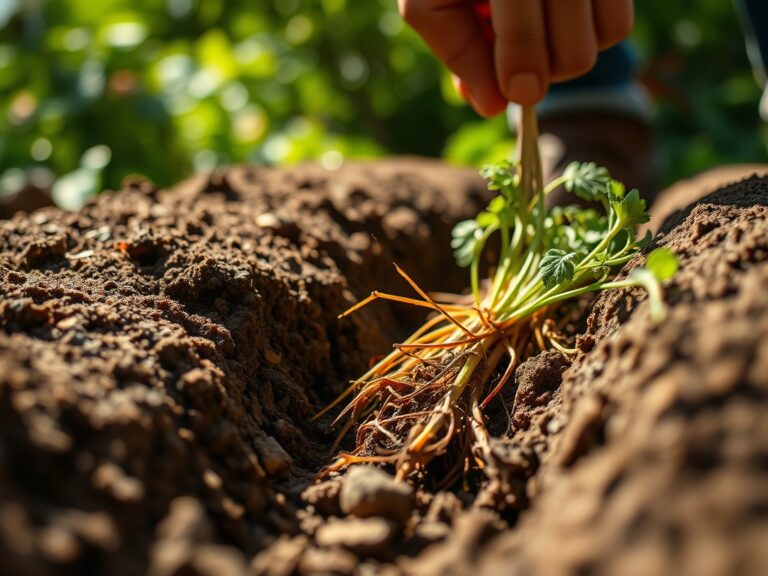
When moving seedlings, ensure the root ball remains intact to protect the delicate root hairs. These microscopic structures are responsible for the vast majority of water and nutrient uptake. Dig a hole twice the width of the root system to encourage lateral expansion into the surrounding soil.
Pro-Tip: Apply a mycorrhizal inoculant to the planting hole. This creates a mycorrhizal symbiosis where fungal hyphae extend the reach of the root system, significantly increasing the uptake of immobile nutrients like phosphorus.
Establishing
During the first 21 days, the plant focuses on root architecture rather than canopy growth. Avoid high-nitrogen fertilizers during this phase to prevent "top-heavy" growth that the immature root system cannot support. Use a soil moisture meter to ensure the root zone stays between 60% and 80% field capacity.
Pro-Tip: Pinching off early flower buds redirects energy from reproduction back into vegetative growth. This auxin suppression encourages a more robust structural framework for later fruit production.
The Clinic:
Physiological disorders often mimic infectious diseases but result from environmental or nutritional stress.
- Symptom: Interveinal chlorosis on young leaves.
Solution: This indicates an Iron deficiency, often caused by a pH above 7.5. Lower the pH using elemental sulfur to increase bioavailability. - Symptom: Blossom end rot in Solanaceous crops.
Solution: This is a Calcium transport issue, not necessarily a soil deficiency. Maintain consistent soil moisture to ensure steady transpiration and Calcium movement through the xylem. - Symptom: Purple tinting on the underside of leaves.
Solution: Phosphorus deficiency. This often occurs in cold soils where microbial activity is low. Apply a water-soluble 10-30-10 fertilizer to provide immediate orthophosphate ions. - Symptom: Leaf tip burn or marginal necrosis.
Solution: Likely salt accumulation or "fertilizer burn." Flush the rhizosphere with heavy irrigation to leach excess salts beyond the root zone.
Maintenance:
Precision gardening requires calibrated inputs. Apply 1.5 inches of water per week delivered at the drip line to ensure deep root penetration. Use a soil moisture meter daily at a depth of 6 inches. For mechanical maintenance, clean your hori-hori knife and bypass pruners after every use with a 10% bleach solution to prevent the spread of soil-borne pathogens. Once dry, apply one of the best lubricants for hand tools, such as a food-grade mineral oil or a specialized PTFE-based spray. This prevents the oxidation of carbon steel and maintains the mechanical advantage of the tool's pivot point. Store tools in a bucket of sand mixed with linseed oil to maintain a protective barrier against humidity.
The Yield:
Harvesting is a race against senescence. For leafy greens, harvest in the pre-dawn hours when turgor pressure is at its maximum. This ensures the cell walls are fully distended, providing the best texture. For fruiting bodies, monitor the "ground spot" color or use a refractometer to check the Brix level, aiming for a reading above 12% for peak sugars. Use sharp, lubricated snips to make a clean cut at the pedicel. Immediately move the harvest to a cool, shaded environment to reduce the respiration rate. Lowering the temperature by 10 degrees Celsius can halve the rate of metabolic degradation, preserving "day-one" freshness and nutritional density.
FAQ:
What is the best lubricant for carbon steel tools?
Camellia oil or food-grade mineral oil is superior for carbon steel. These oils create a hydrophobic barrier that prevents oxygen from reacting with the metal, stopping rust before it starts. Apply a thin layer after every cleaning cycle.
Can I use WD-40 on my pruning shears?
WD-40 is a solvent and water displacer, not a long-term lubricant. While it cleans sap effectively, you must follow it with a high-viscosity machine oil or silicone spray to provide lasting protection for the tool's moving parts.
How often should I lubricate my garden tools?
Lubricate tools after every heavy use or once a month during the off-season. If you notice any resistance in the spring mechanism of your bypass pruners, clean the pivot point and apply a drop of oil immediately.
Why is tool lubrication important for plant health?
Lubricated tools provide smoother, cleaner cuts. Ragged tears from dull or sticky blades damage the cambium layer and increase the surface area of the wound, making the plant more susceptible to fungal infections and bacterial cankers.
What is the best way to remove rust before lubricating?
Use a medium-grade steel wool or a wire brush to remove surface oxidation. For heavy rust, soak the metal components in white vinegar for 12 to 24 hours, scrub clean, dry thoroughly, and apply a heavy coat of oil.