8 Best Insulation for Garden Prep
The scent of anaerobic decomposition signifies a failure in soil management; conversely, the sharp, metallic tang of mineral-rich, damp earth indicates a thriving rhizosphere. Achieving this balance requires precise thermal regulation of the root zone. Success hinges on selecting the best insulation for garden prep to maintain consistent soil temperatures and prevent the devastating effects of frost heave or rapid desiccation. When cellular turgor pressure drops, the plant loses its structural integrity and metabolic efficiency. By implementing rigorous insulation strategies, you protect the vascular system of your cultivars from the volatility of shoulder seasons. This guide provides the technical specifications required to stabilize your microclimate and ensure optimal plant vigor.
Materials:
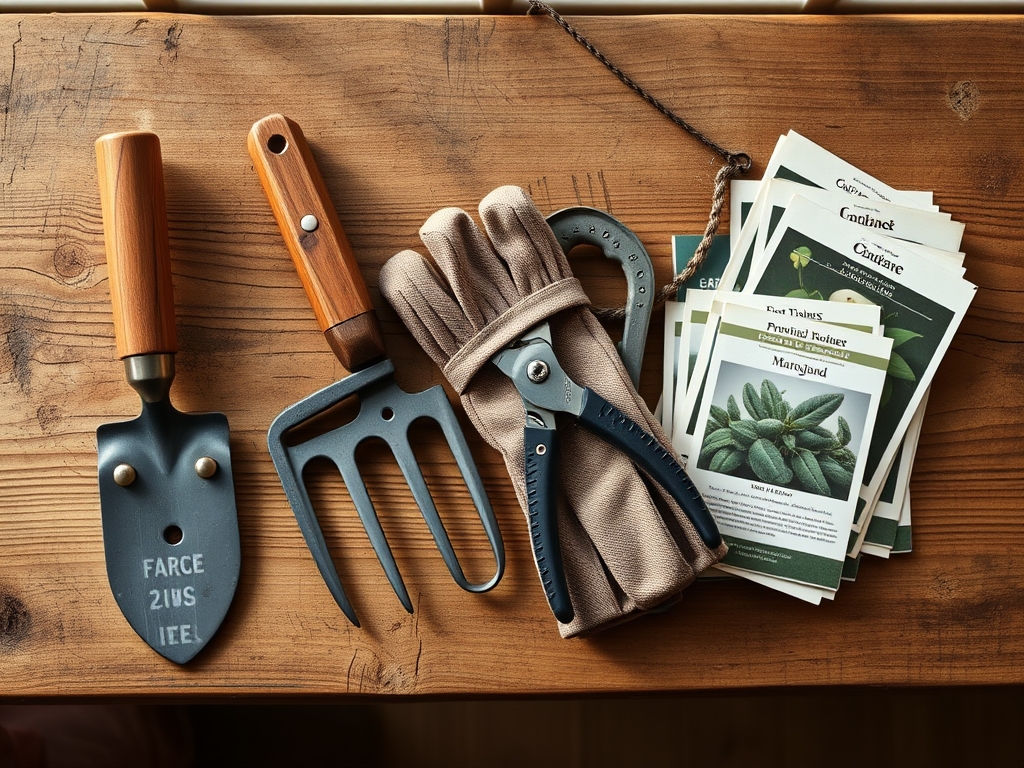
Selecting the correct insulation material depends on your target soil pH and the specific NPK requirements of your crop. A **friable loam** with a **Cation Exchange Capacity (CEC) above 15** is the ideal substrate for these insulators.
- Arboricultural Wood Chips: High carbon-to-nitrogen ratio. Best for perennial beds where a pH of 6.0 to 7.0 is desired. They provide excellent thermal buffering but can cause temporary nitrogen immobilization at the surface.
- Rice Hulls: Neutral pH. Excellent for increasing porosity while providing a thin insulating layer. High silica content strengthens plant cell walls.
- Pine Straw: Acidifying agent. Lowers pH for ericaceous plants like blueberries. NPK ratio is negligible, but the physical structure allows for gas exchange while trapping heat.
- Alfalfa Meal: NPK 2.5-1-1. Acts as both a stimulant and an insulator. Contains triacontanol, a natural growth stimulant that increases metabolic rates.
- Straw (Seed-Free): The standard for vegetable production. Reflects solar radiation to keep roots cool in summer and traps air to prevent freezing in winter.
- Leaf Mold: Partially decomposed deciduous leaves. High fungal biomass improves mycorrhizal symbiosis.
- Horticultural Fleece: A synthetic barrier that provides 4 to 6 degrees Fahrenheit of frost protection without impacting soil chemistry.
- Double-Wall Polycarbonate: Used in cold frames. Provides the highest R-value for early season extension.
Timing:
Timing is dictated by the USDA Hardiness Zones and the specific frost-date windows of your region. In Zones 5 through 7, insulation must be applied after the first hard freeze to lock in cold temperatures and prevent the "freeze-thaw" cycle that ejects shallow-rooted perennials from the ground. The biological clock of the plant governs this transition. As photoperiods shorten, plants shift from vegetative growth to dormancy or reproductive senescence. Applying insulation too early can trap heat and delay dormancy; this makes the plant susceptible to late-season vascular damage when temperatures eventually plummet. Monitor soil temperatures with a probe; apply your primary insulation layers once the top 2 inches of soil reach a consistent 40 degrees Fahrenheit.
Phases:

Sowing
Direct seeding into insulated soil requires a "cleared strip" method. Move insulation aside to expose a 3-inch wide band of soil. This allows solar radiation to hit the black earth, increasing the germination rate for cool-season crops like Lactuca sativa.
Pro-Tip: Soil temperature directly influences enzymatic activity during germination. Maintaining a steady 55 to 65 degrees Fahrenheit ensures that gibberellic acid can effectively signal the seed to break dormancy.
Transplanting
When moving starts from a greenhouse to the field, use a hori-hori knife to cut precise slits in your insulation layer. This minimizes disturbance to the existing soil structure and the delicate fungal hyphae. Ensure the root ball is set 0.5 inches below the insulation line to prevent wick-drying.
Pro-Tip: Transplanting causes immediate "transplant shock" due to root hair damage. Insulation reduces the transpiration rate by cooling the root zone, allowing the plant to maintain turgor pressure while the vascular system recovers.
Establishing
Once the root system reaches the subsoil layers, the insulation serves as a moisture regulator. It prevents the evaporation of the 1.5 inches of water required weekly. Check moisture levels at the drip line using a soil moisture meter to ensure the water is penetrating the mulch layer.
Pro-Tip: Consistent soil moisture prevents the suppression of auxins at the growing tips. If the root zone dries out, the plant produces abscisic acid, which triggers stomatal closure and halts photosynthesis.
The Clinic:
Physiological disorders often stem from thermal stress or nutrient imbalances within the insulated environment.
- Symptom: Blossom End Rot (dark, leathery spots on fruit base).
- Solution: This is a calcium transport issue, not necessarily a deficiency. Ensure consistent soil moisture through heavy mulching to allow for steady calcium uptake via transpiration.
- Symptom: Nitrogen Chlorosis (yellowing of older leaves).
- Solution: Wood chip mulches can "rob" nitrogen. Apply a liquid kelp or fish emulsion with an NPK of 5-1-1 to bypass the surface competition.
- Symptom: Leaf Scorch (browning of leaf margins).
- Solution: Increase the depth of your insulation to 4 inches. This reduces the soil temperature and prevents the plant from losing water faster than the roots can provide it.
- Fix-It for Magnesium Deficiency: If interveinal chlorosis appears on lower leaves, apply Epsom salts (magnesium sulfate) at a rate of 1 tablespoon per gallon of water. Magnesium is the central atom in the chlorophyll molecule; without it, photosynthesis fails.
Maintenance:
Precision maintenance is the hallmark of a professional garden. Use bypass pruners to remove any necrotic tissue that could harbor pathogens under the insulation layer. Apply exactly 1.5 inches of water per week at the drip line; do not overhead water, as trapped moisture under insulation can encourage fungal pathogens like Phytophthora. Every 30 days, pull back a small section of insulation to inspect the soil surface. If you see white, thread-like structures, celebrate; this is beneficial mycelium breaking down organic matter and increasing the Cation Exchange Capacity. If the soil feels compacted, use a broadfork to aerate without flipping the soil horizons.
The Yield:
Harvesting at peak physiological maturity ensures the highest nutrient density and longest shelf life. For leafy greens, harvest before 8:00 AM while turgor pressure is at its maximum. For root crops, the insulation should be removed 24 hours prior to harvest to allow the soil to dry slightly, making extraction cleaner. Post-harvest, immediately submerge produce in 40-degree Fahrenheit water to remove "field heat." This slows the rate of respiration and prevents the degradation of sugars into starches, maintaining that "day-one" crispness and flavor profile.
FAQ:
What is the best insulation for winter garden prep?
Straw and fallen leaves are superior for winter. They trap air pockets, providing a thermal buffer that prevents the soil from freezing deep enough to damage the root crowns of perennial species and garlic.
Does mulch affect soil pH significantly?
Most mulches have a negligible effect on pH except for pine needles or peat moss. However, as organic matter decomposes, it tends to buffer the soil toward a neutral 6.5 to 7.0 pH range.
How deep should my garden insulation be?
For most applications, a depth of 2 to 4 inches is optimal. Anything thinner fails to suppress weeds or retain moisture; anything thicker can prevent essential oxygen from reaching the rhizosphere, causing root rot.
Can I use cardboard as garden insulation?
Yes, cardboard is an effective "sheet mulch" that suppresses weeds and insulates the soil. It must be covered with organic matter like compost or wood chips to prevent it from drying out and becoming hydrophobic.
When should I remove spring insulation?
Remove heavy insulation once the danger of hard frost has passed and soil temperatures consistently stay above 50 degrees Fahrenheit. This allows the soil to breathe and prevents the stems of new growth from rotting in excess moisture.