5 Natural Ways How to Design an Alpine Garden
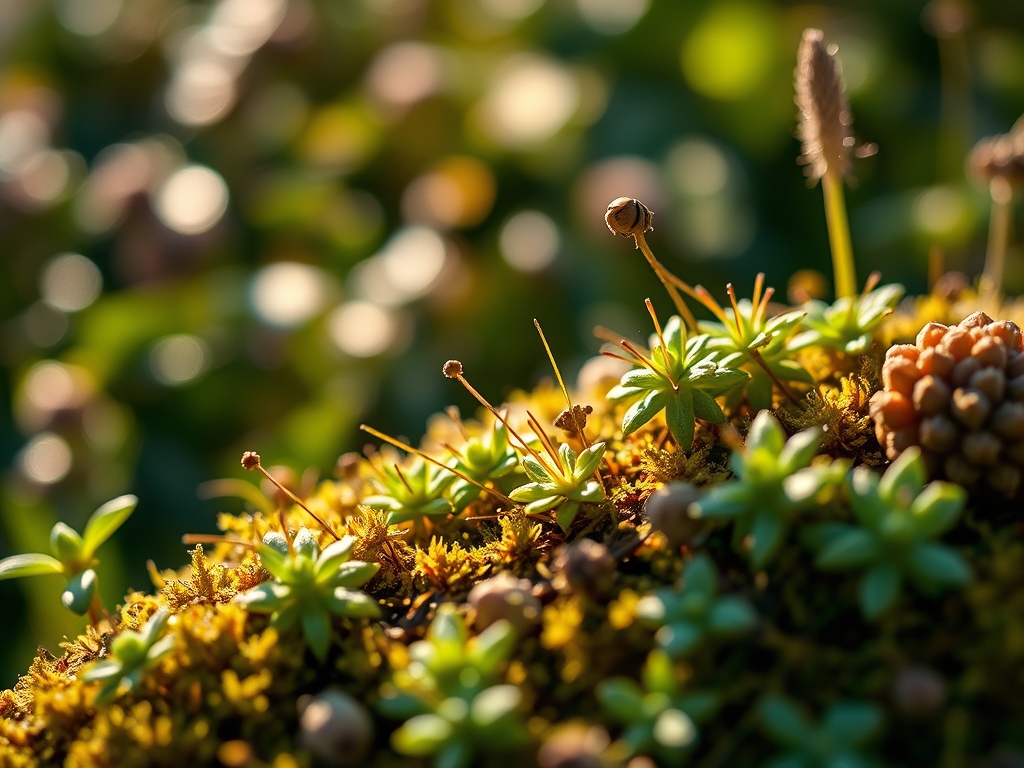
Crushed granite grit grinds under a heavy boot while the sharp scent of damp basalt fills the air. A healthy alpine specimen displays high turgor pressure; its leaves feel rigid and cool to the touch. Success in high-altitude horticulture requires mimicking the harsh, fast-draining conditions of a mountain scree slope. Understanding how to design an alpine garden begins with mastering the relationship between mineral substrates and atmospheric pressure. You are not merely planting; you are engineering a microclimate where drainage is absolute and the rhizosphere remains oxygenated despite heavy precipitation.
Materials:
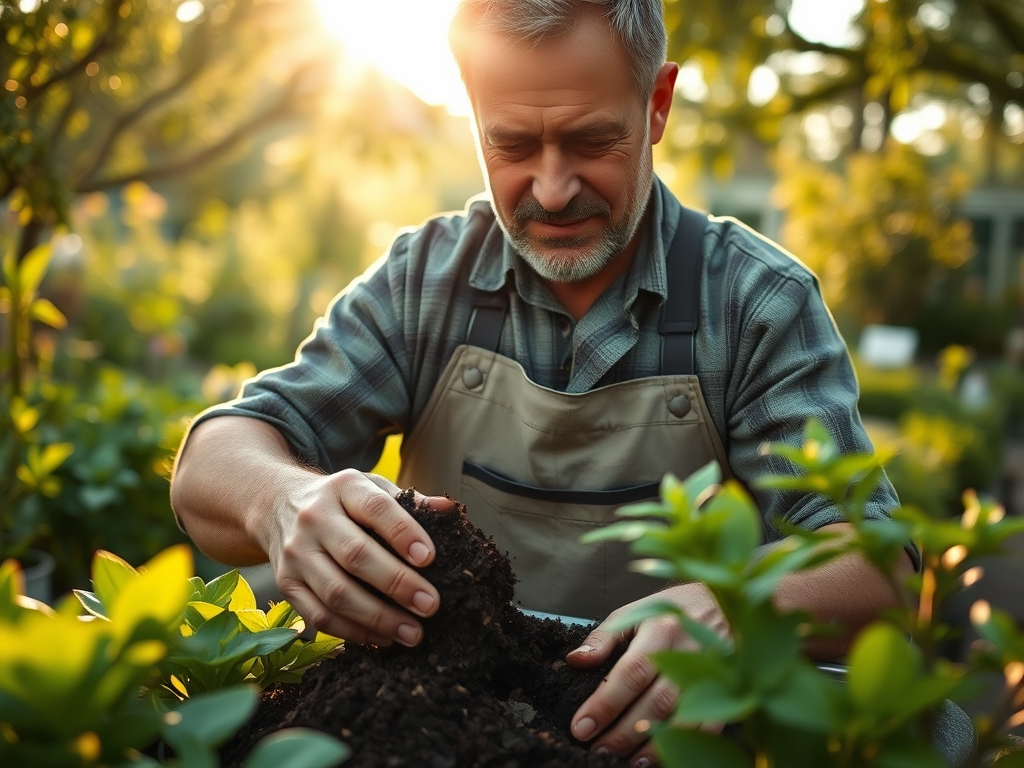
The foundation of an alpine environment is the substrate. Most alpine species require a soil pH between 5.5 and 6.5, though calciphile varieties may demand a pH closer to 7.5. The ideal physical texture is a friable loam mixed heavily with inorganic aggregates. Your soil mix should consist of 50 percent sharp grit or perlite, 30 percent decomposed leaf mold, and 20 percent sandy loam.
Nutrient management must be conservative. High nitrogen levels cause weak, leggy growth that fails during winter dormancy. Target an NPK ratio of 5-10-10 for established plants. This low-nitrogen approach ensures the plant focuses energy on root development and floral initiation rather than succulent vegetative tissue. Cation Exchange Capacity (CEC) in these soils is typically low; therefore, slow-release organic matter is preferable to synthetic salts which can cause osmotic shock in sensitive root hairs.
Timing:
Alpine gardening is governed by the frost-date window and the biological clock of the species. Most alpine plants are adapted to Hardiness Zones 3 through 7. They require a distinct vernalization period, often needing 60 to 90 days of temperatures below 40 degrees Fahrenheit to break seed dormancy or initiate flower buds.
The transition from vegetative to reproductive stages is triggered by the photoperiod. As day length increases in late spring, the plant shifts its metabolic resources from leaf production to terminal bud development. Sowing should occur in late autumn to allow for natural stratification, or in early spring as soon as the soil reaches a consistent 50 degrees Fahrenheit. Planting too late in the summer prevents the development of a robust root system before the first hard freeze, leading to frost heaving and desiccation.
Phases:
Sowing and Stratification
Seeds should be sown on the surface of a grit-heavy seed starting mix. Many alpine seeds are photoblastic, meaning they require light to germinate. Cover them with only a thin layer of 3mm quartzite grit to hold them in place while allowing light penetration.
Pro-Tip: Utilize cold stratification to simulate mountain winters. This process breaks down endogenous germination inhibitors like abscisic acid. Without this cold trigger, the embryo remains dormant to prevent premature sprouting during a mid-winter thaw.
Transplanting
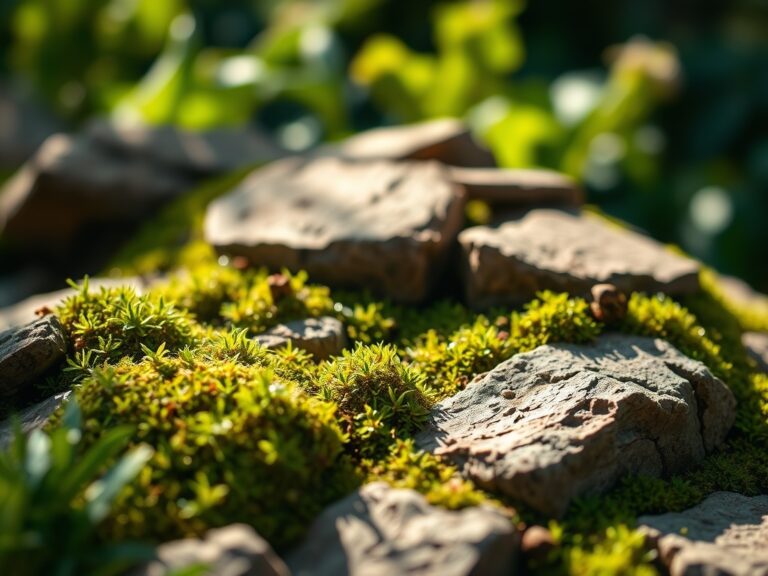
When moving seedlings or nursery stock, ensure the crown of the plant sits slightly above the soil line. Surround the crown with a 1-inch layer of pure stone mulch. This prevents crown rot by ensuring moisture does not linger against the plant's neck.
Pro-Tip: Minimize root disturbance to protect the established mycorrhizal symbiosis. These fungal networks extend the reach of the root system, increasing the surface area for phosphorus uptake in nutrient-poor mountain soils.
Establishing
During the first growing season, focus on stabilizing the rhizosphere. Use a soil moisture meter to ensure the substrate remains damp but never saturated. The goal is to encourage deep taproot penetration into the cooler, lower layers of the rock garden.
Pro-Tip: Avoid excessive overhead watering during the heat of the day. High humidity combined with high temperatures can lead to stomatal closure and heat stress. This is a survival mechanism where the plant limits transpiration to conserve turgor, but it also halts photosynthesis.
The Clinic:
Physiological disorders in alpine gardens often stem from improper drainage or light intensity.
-
Symptom: Yellowing of younger leaves while veins remain green (Interveinal Chlorosis).
Solution: This indicates a micronutrient deficiency, often Iron or Magnesium, triggered by high pH. Lower the pH using elemental sulfur to increase nutrient availability. -
Symptom: Soft, blackened tissue at the base of the plant (Crown Rot).
Solution: Improve drainage immediately. Remove the affected plant and replace the surrounding soil with 100 percent coarse grit. Ensure the site receives better airflow to reduce ambient humidity. -
Symptom: Elongated stems and pale foliage (Etiolation).
Solution: The plant is receiving insufficient light. Alpine species are adapted to high UV environments. Relocate the specimen to a south-facing slope where it receives at least 8 hours of direct solar radiation.
Fix-It for Nitrogen Chlorosis: If older leaves turn a uniform pale yellow, the plant lacks nitrogen. Apply a diluted fish emulsion at half-strength to provide a quick boost without forcing excessive soft growth.
Maintenance:
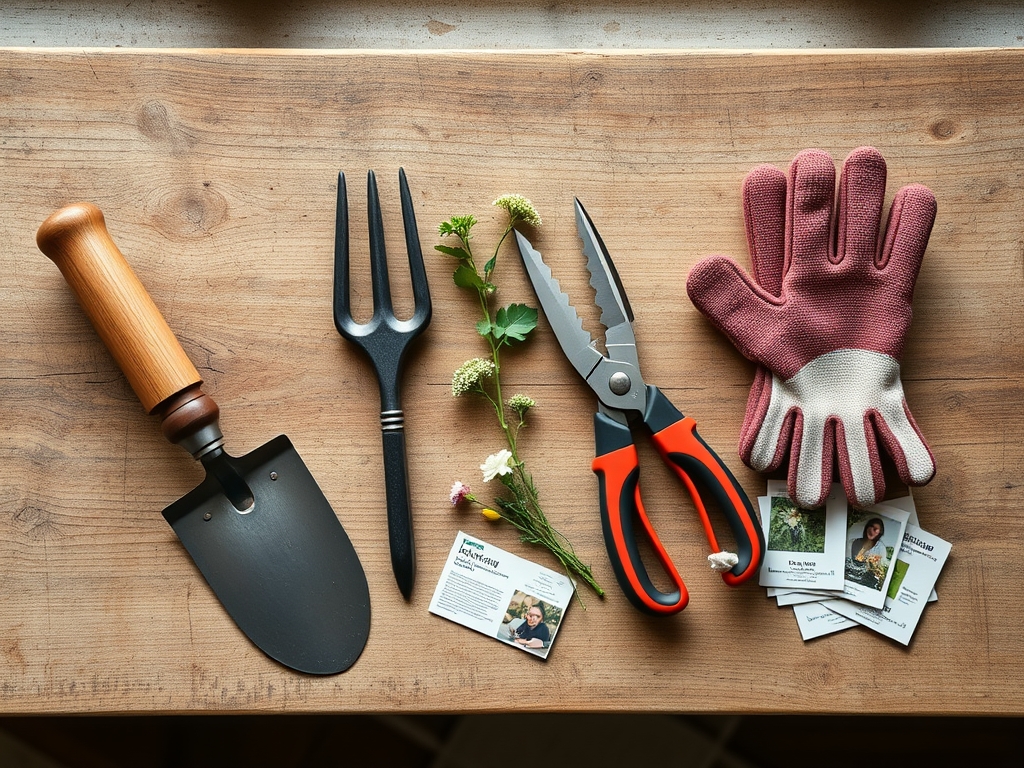
Precision is the hallmark of alpine maintenance. Use a hori-hori knife to remove weeds by the root without disrupting the surrounding rock matrix. For pruning, use bypass pruners to make clean cuts on spent flower stalks; this prevents jagged wounds that serve as entry points for pathogens.
Irrigation must be calculated. Provide 1.5 inches of water per week at the drip line during the active growing season. In the winter, reduce watering significantly, but do not allow the soil to become bone-dry, as alpine plants are susceptible to winter desiccation. Monitor the soil with a soil moisture meter at a depth of 4 inches to ensure the lower root zone remains viable.
The Yield:
If your alpine garden includes species such as Thymus praecox or edible Primula, timing the harvest is critical for chemical potency. Harvest during the morning after the dew has evaporated but before the sun reaches its zenith. This is when essential oil concentration is at its peak.
For floral displays, cut stems when the first two florets on a spike have opened. Use a sharp blade to avoid crushing the vascular bundles. Immediately plunge the stems into cool, 40-degree water to maintain turgor pressure. This "day-one" freshness is preserved by slowing the plant's metabolic rate and reducing the production of ethylene gas, which accelerates senescence.
FAQ:
What is the best soil for an alpine garden?
Use a mix of 50 percent inorganic grit, 30 percent leaf mold, and 20 percent loam. This ensures a pH of 5.5 to 6.5 and provides the rapid drainage necessary to prevent root hypoxia and crown rot.
How often should I water alpine plants?
Provide 1.5 inches of water weekly during the growing season. Use a soil moisture meter to verify the root zone is damp but not saturated. Reduce frequency in winter to prevent ice crystals from damaging the dormant root tissues.
Do alpine plants need fertilizer?
Use a low-nitrogen 5-10-10 NPK fertilizer sparingly in early spring. High nitrogen levels cause weak, succulent growth that cannot survive frost. Focus on mineral-rich substrates to provide essential micronutrients through natural weathering processes.
How do I prevent my alpine plants from rotting?
Ensure absolute drainage by incorporating 50 percent crushed stone into the soil. Apply a 1-inch layer of stone mulch around the plant crown. This keeps the foliage dry and prevents soil-borne pathogens from splashing onto the leaves.