10 Fun Ways How to Build a Garden Tiki Bar
The smell of damp, anaerobic organic matter rising from a freshly turned garden bed signals a transition in the landscape. When the turgor pressure in your Calamagrostis x acutiflora is high and the soil reaches a consistent 65 degrees Fahrenheit, the environmental conditions are optimal for structural integration. Learning how to build a garden tiki bar requires more than carpentry; it demands an understanding of the site's topography and the biological impact on the surrounding root zones. Integrating a permanent structure into a living ecosystem involves managing compaction and ensuring that the high-traffic area around the bar does not lead to soil suffocation or root rot in adjacent specimen plants.
A successful installation relies on the stability of the substrate and the health of the surrounding flora. You must evaluate the Cation Exchange Capacity (CEC) of the soil where the foundation will rest. High clay content provides stability but risks poor drainage, while sandy soils offer excellent aeration but require deeper footings for structural integrity. By aligning your construction schedule with the dormant phase of your perennial borders, you minimize mechanical damage to the rhizosphere. This guide provides the technical framework to execute a functional, aesthetically integrated structure while maintaining the physiological health of your botanical collection.
Materials:
The foundation of your project begins with the soil chemistry surrounding the build site. For any plantings integrated into the tiki bar structure, such as climbing vines or perimeter shrubs, you must maintain a **pH level between 6.0 and 7.0**. The ideal substrate is a **friable loam** consisting of 40 percent sand, 40 percent silt, and 20 percent clay. This ratio ensures adequate pore space for oxygen exchange.
Before construction, amend the local soil with a 10-10-10 NPK ratio fertilizer to provide a baseline of nitrogen, phosphorus, and potassium. Nitrogen supports the vegetative growth of tropical-themed foliage like Fatsia japonica, while phosphorus encourages robust root development to anchor plants near the structure. Potassium regulates the opening and closing of stomata, which is critical for drought resistance in the heat of mid-summer. Ensure the soil has a high organic matter content to improve the CEC, allowing the soil to hold onto essential nutrients like calcium and magnesium.
Timing:
Construction and planting should be synchronized with your specific USDA Hardiness Zone. If you are in Zones 7 through 9, the optimal window for building and landscaping is late winter or early spring, before the spring flush. This timing respects the Biological Clock of the plants, allowing them to transition from their dormant state to the vegetative stage without the stress of high summer temperatures.
Monitor the frost-date windows closely. Groundwork should begin only after the soil has thawed and is no longer saturated, as working wet soil destroys its structure and leads to long-term compaction. In colder zones (4-6), wait until the soil temperature consistently reaches 50 degrees Fahrenheit at a depth of four inches. This ensures that any tropicals or perennials planted around the bar can establish their root systems before the photoperiod triggers the reproductive stage of their life cycle.
Phases:
Sowing
When establishing a living screen around your bar, start seeds in a controlled environment 6 to 8 weeks before the last frost. Use a sterile seed-starting mix with low nutrient density to prevent salt burn on delicate radicles. Maintain a consistent temperature of 70 degrees Fahrenheit to optimize germination rates.
Pro-Tip: Utilize bottom heat to stimulate faster cell division in the root apical meristem. This heat mimics the natural warming of the earth, signaling the seed to break dormancy and begin the process of photomorphogenesis.
Transplanting
Move your established seedlings or nursery stock to the bar area once the risk of frost has passed. Dig a hole twice the width of the root ball to allow for easy lateral root expansion into the surrounding friable loam. Ensure the crown of the plant is level with the soil surface to prevent stem rot.
Pro-Tip: When transplanting, avoid disturbing the root hairs. These microscopic structures are the primary sites for water and nutrient uptake. Maintaining their integrity prevents transplant shock and ensures the plant maintains high turgor pressure.
Establishing
The first 21 days after planting are critical for structural establishment. Provide deep, infrequent watering to encourage roots to grow downward rather than staying near the surface. Apply a 2-inch layer of organic mulch to regulate soil temperature and suppress weed competition.
Pro-Tip: Prune the apical buds of leggy plants to stimulate lateral branching. This process, known as auxin suppression, redirects the plant's energy to dormant axillary buds, resulting in a fuller, bushier appearance that provides better coverage for the bar structure.
The Clinic:
Physiological disorders can compromise the aesthetic and structural integrity of your garden tiki bar environment.
Symptom: Interveinal chlorosis on new growth (yellow leaves with green veins).
Solution: This is often a sign of Iron deficiency, common in soils with a pH above 7.0. Apply chelated iron to the soil or as a foliar spray to restore chlorophyll production.
Symptom: Leaf scorch or marginal necrosis on older leaves.
Solution: This typically indicates Potassium deficiency or salt accumulation. Flush the soil with 2 inches of water to leach excess salts and apply a high-potassium fertilizer (0-0-50).
Symptom: Stunted growth and purplish tint on the underside of leaves.
Solution: This signals Phosphorus deficiency, often caused by cold soil temperatures or low pH. Amend the rhizosphere with bone meal or triple superphosphate.
Fix-It: For general Nitrogen chlorosis (uniform yellowing of older leaves), apply a quick-release nitrogen source like blood meal or ammonium sulfate at a rate of 1 pound per 1,000 square feet.
Maintenance:
Precision maintenance is required to sustain the ecosystem around the bar. Provide exactly 1.5 inches of water per week at the drip line of all surrounding plants. Use a soil moisture meter to verify that the moisture has penetrated at least 6 inches into the profile.
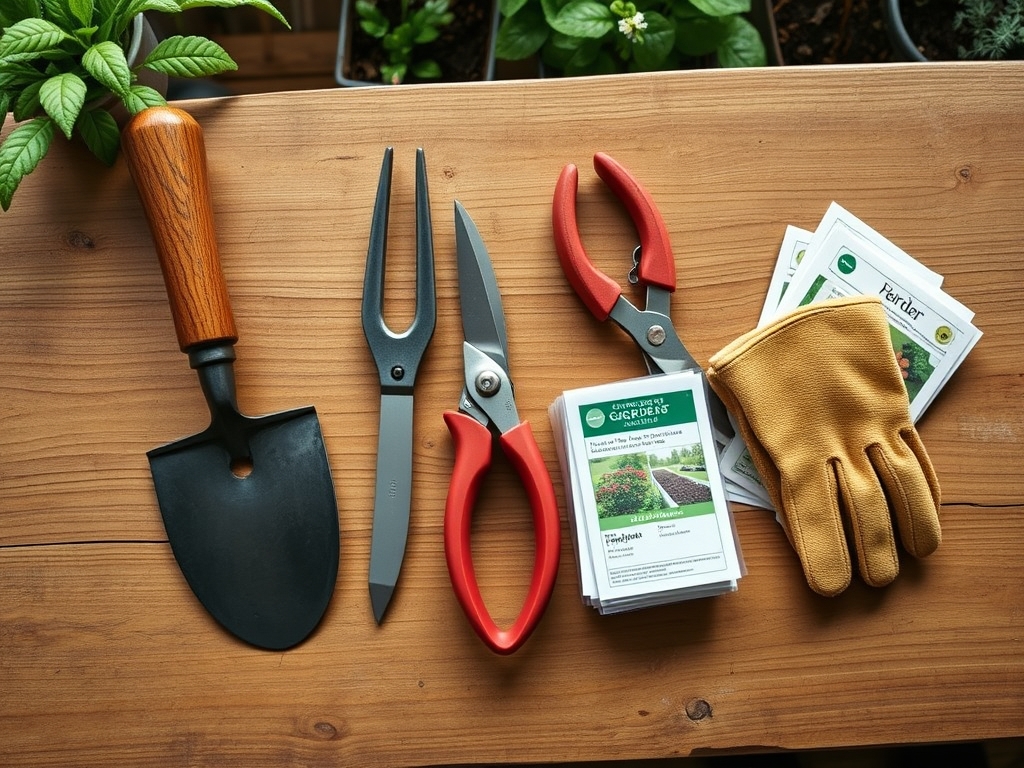
Utilize a hori-hori knife for removing deep-rooted perennial weeds without disturbing the root systems of your ornamental plants. For woody ornamentals, use bypass pruners to make clean, angled cuts that facilitate rapid healing and prevent the entry of pathogens. Regularly inspect the bar's timber for signs of fungal decay; ensure that wood-to-soil contact is minimized by using concrete footings or pressure-treated lumber rated for ground contact.
The Yield:
If you have integrated edible tropicals like Cymbopogon (lemongrass) or Mentha (mint) into your bar design, harvest timing is essential for maximum essential oil concentration. Harvest mint in the early morning when turgor pressure is highest and before the sun dissipates the volatile oils. Use sharp shears to cut the stems just above a node to encourage regrowth. For lemongrass, harvest the stalks when they reach 1/2 inch in diameter at the base. To maintain "day-one" freshness, place the cut ends in a container of cool water immediately and store them in a shaded, humid environment until they are used for service at the bar.
FAQ:
How do I prevent wood rot in a garden tiki bar?
Ensure all structural posts are set in concrete footings that extend 2 inches above the soil line. This prevents direct contact with the moisture-rich rhizosphere and reduces the risk of fungal colonization and subsequent lignin degradation.
What is the best lighting for a garden tiki bar?
Use low-voltage LED systems with a color temperature of 2700K. Avoid high-intensity discharge lamps that can disrupt the photoperiod of nearby plants, potentially delaying flowering or inducing premature senescence in sensitive species.
Can I build a tiki bar over a septic field?
No. The weight of the structure causes soil compaction, which interferes with the evaporation and transpiration processes necessary for the field to function. Compaction also limits oxygen availability for aerobic bacteria in the soil.
Which plants provide the best tropical privacy?
Clumping bamboo (Fargesia) offers rapid biomass production without the invasive rhizome spread of running varieties. It maintains high leaf area index throughout the season, providing an effective biological screen for your garden tiki bar.