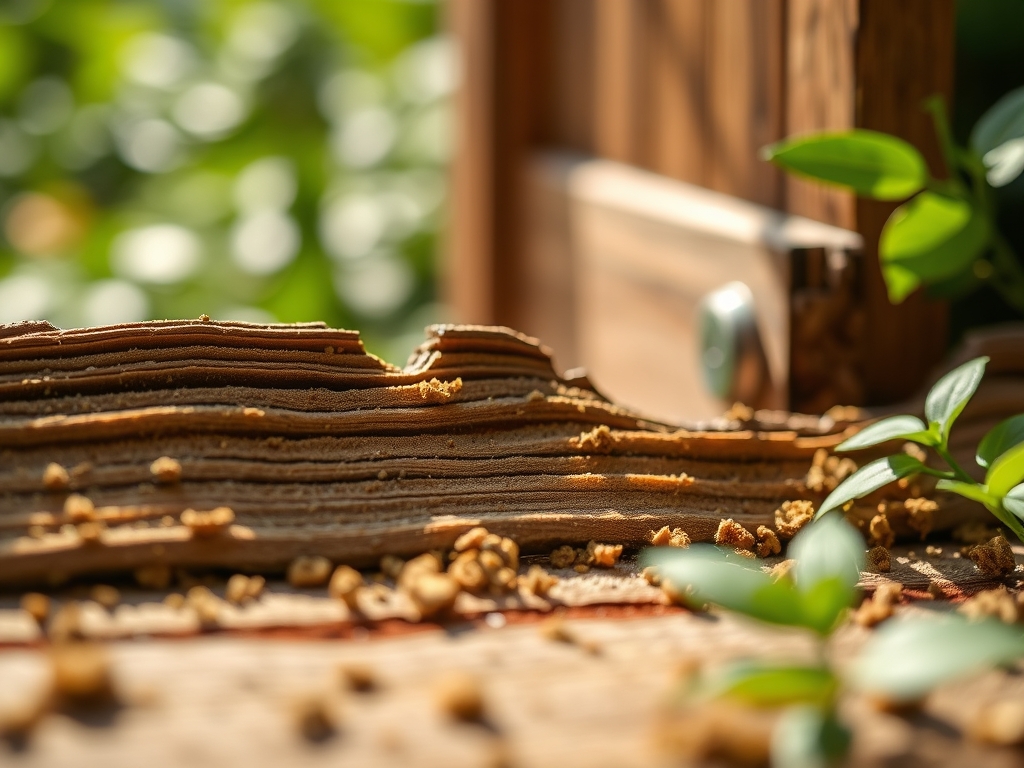
7 Clever Steps to Install a Hidden Door
The smell of damp, fermented mulch and the crisp snap of a leaf with high turgor pressure define the professional workspace. Precision in the garden requires more than intuition; it demands a structural understanding of the environment. When planning the steps to install a hidden door within a living hedge or garden wall, you must prioritize the structural integrity of the woody perennials involved. This process merges carpentry with silviculture to create a seamless, living portal.
Materials:
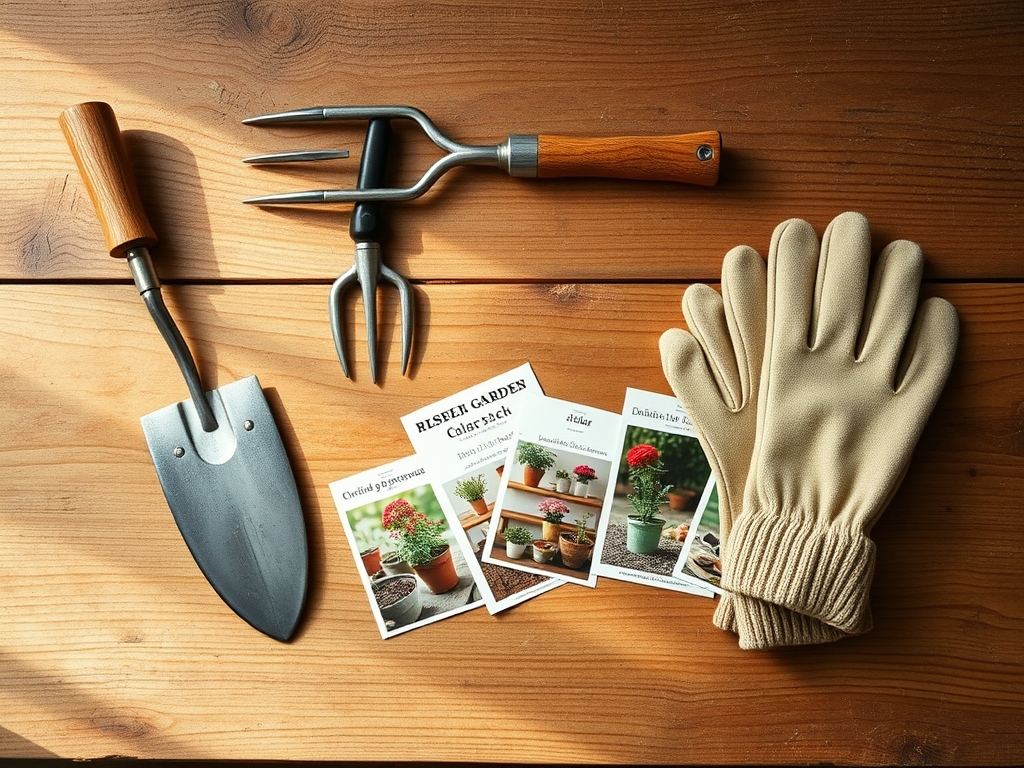
Successful installation begins in the rhizosphere. The substrate must be a **friable loam** with a **Cation Exchange Capacity (CEC) above 15**, ensuring the soil can hold and exchange essential nutrients like calcium and magnesium. Conduct a soil test to confirm a **pH between 6.2 and 6.8**. For the foundational plantings surrounding the door frame, utilize a starter fertilizer with an **NPK ratio of 10-20-10**. This high phosphorus content encourages rapid root initiation. You will also require **heavy-duty marine-grade stainless steel hinges** to resist the 100 percent humidity levels found within a dense canopy.
Timing:
Installation must align with the dormancy period of your selected species. In Hardiness Zones 5 through 8, the primary window opens after the first hard frost but before the ground freezes solid. This timing respects the biological clock of the plant, specifically the transition from the reproductive stage to endodormancy. By installing the frame while the plant is dormant, you minimize the risk of hydraulic failure within the xylem. Avoid construction during the "spring flush" when high sap pressure makes the bark prone to slipping and permanent cambium damage.
Phases:

Sowing and Frame Setting
Clear a trench 24 inches deep to accommodate the door frame footer. Ensure the footer does not compress the lateral roots of existing specimens. If planting new material to hide the door, space your shrubs 18 inches on center to allow for canopy closure within three growing seasons. Use a soil moisture meter to ensure the backfill reaches a consistent 20 percent volumetric water content.
Pro-Tip: Apply a mycorrhizal inoculant to the root zone during backfilling. This symbiotic relationship between fungi and roots increases the surface area for water absorption, preventing transplant shock in the structural plants.
Transplanting and Anchoring
When positioning the hidden door frame, use pressure-treated timber rated for ground contact. Secure the frame to 4×4 posts set in concrete below the frost line. As you move the surrounding plants into position, maintain their original soil line. Deep planting can lead to stem girdling and eventual senescence.
Pro-Tip: Orient the plants so their most foliage-dense side faces the sun. This utilizes phototropism, where the plant naturally grows toward light, to fill in gaps over the door frame more quickly.
Establishing the Living Facade
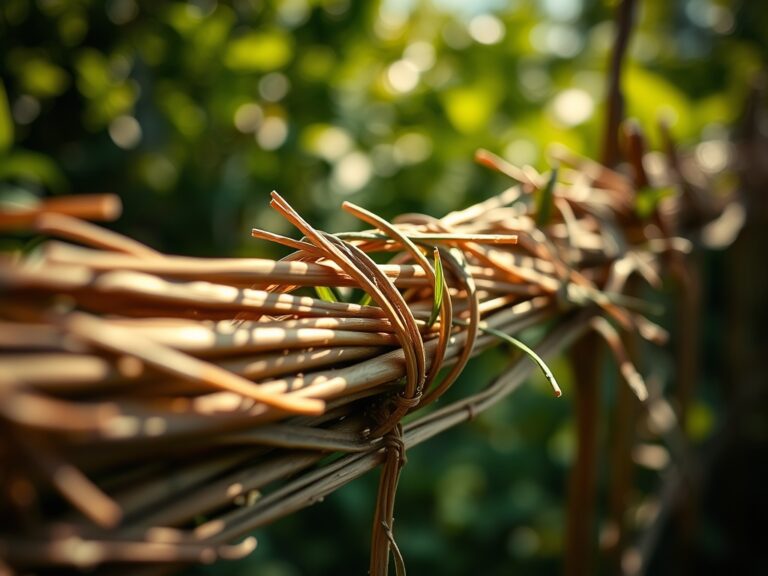
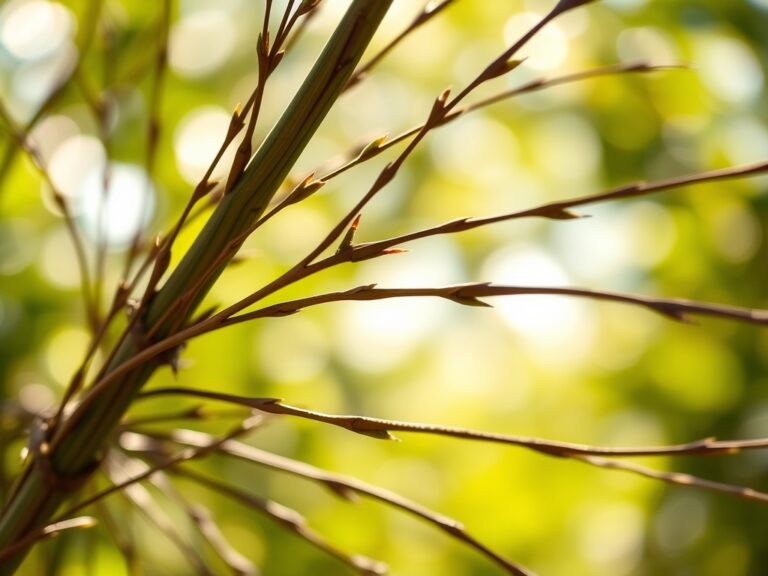
Once the door is functional, train the lateral branches across the door face using soft garden ties. Prune back any vertical water sprouts to encourage the growth of lateral "feeder" branches. This increases the density of the foliage, making the door invisible to the untrained eye.
Pro-Tip: Practice auxin suppression by pinching off the terminal buds of the leading branches. This redirects growth hormones to the lateral buds, creating a thicker, bushier screen that hides the seams of the door.
The Clinic:
Physiological disorders can compromise the "hidden" aspect of your project. Monitor the foliage for these specific markers:
- Symptom: Yellowing of older leaves while veins remain green.
- Solution: This indicates Magnesium deficiency. Apply Epsom salts (magnesium sulfate) at a rate of 1 tablespoon per gallon of water at the base of the plant.
- Symptom: Interveinal chlorosis on new growth.
- Solution: This is typically Iron chlorosis, often caused by high soil pH. Lower the pH by applying elemental sulfur to move the range back toward 6.5.
- Symptom: Leaf wilt despite moist soil.
- Solution: This suggests Root Rot (Phytophthora). Improve drainage immediately by incorporating perlite or coarse sand into the top 6 inches of the soil profile.
Fix-It: For general Nitrogen chlorosis (uniform paling of the entire plant), apply a quick-release liquid fertilizer with a 20-10-10 NPK ratio to restore chlorophyll production within 7 to 10 days.
Maintenance:
A hidden door requires rigorous upkeep to prevent the hardware from being overtaken by aggressive root systems or vine tendrils. Provide exactly 1.5 inches of water per week delivered via drip irrigation at the drip line to prevent fungal pathogens on the foliage. Use a hori-hori knife to sever any adventurous roots attempting to grow under the door threshold. Monthly, use bypass pruners to trim back any growth that interferes with the hinge swing. Check the door's balance with a level twice a year, as soil heaving during freeze-thaw cycles can shift the frame.
The Yield:
If your hidden door is integrated into a fruiting hedge, such as Prunus laurocerasus or a climbing Actinidia, harvest timing is critical. Gather fruit when the Brix level (sugar content) reaches its peak for the specific cultivar. Use a sharp, sterilized blade to cut the pedicel rather than pulling the fruit; this prevents tearing the fruiting spur. For post-harvest longevity, immediately move the yield to a cool, shaded area to reduce the field heat and slow the rate of respiration.
FAQ:
What is the best soil for a hidden door hedge?
A well-draining friable loam with a pH of 6.5 is ideal. Ensure the Cation Exchange Capacity is high enough to support the dense root systems required to anchor the structural frame and provide consistent nutrient uptake.
How do I prevent the door from sagging?
Use marine-grade steel hinges and anchor the frame in concrete 12 inches below the frost line. Regularly check the structural integrity of the wood, as high soil moisture can accelerate the decay of non-treated materials.
Can I install a hidden door in an existing hedge?
Yes, but you must use a hori-hori knife to carefully prune roots. Avoid removing more than 20 percent of the root mass in a single season to prevent physiological stress or total plant senescence.
How do I hide the gap between the door and the frame?
Utilize auxin suppression by pinching terminal buds on surrounding branches. This encourages lateral branching, which creates a dense "curtain" of foliage that overlaps the door seams without obstructing the mechanical swing of the hinges.