9 Magical Ways How to Design a Secret Garden
The smell of damp earth after a rain event indicates the presence of geosmin; a metabolic byproduct of Actinobacteria. This scent signals a healthy soil microbiome where organic matter decomposes into plant-available nutrients. Achieving this atmosphere requires more than aesthetic choices. To understand how to design a secret garden, one must master the manipulation of microclimates and the optimization of cellular turgor. A successful design relies on the strategic placement of biomass to create thermal mass and windbreaks. By focusing on the physiological needs of the plant and the structural integrity of the soil, you can build an enclosed sanctuary that thrives on biological efficiency rather than just visual appeal.
Materials:
The foundation of any secluded horticultural space is the substrate. You must aim for a friable loam with a Cation Exchange Capacity (CEC) above 15 meq/100g. This ensures the soil can hold and exchange essential cations like Calcium (Ca2+) and Magnesium (Mg2+).
For the vegetative establishment phase, utilize a fertilizer with an NPK ratio of 10-5-5. The high nitrogen content supports the synthesis of chlorophyll and the expansion of the leaf canopy. As the garden transitions to a reproductive or flowering state, shift to a 5-10-10 ratio to prioritize phosphorus for root development and potassium for cellular water regulation. Maintain a soil pH between 6.2 and 6.8 for most temperate species. This range prevents nutrient lockout, particularly of micronutrients like iron and manganese. If the pH drops below 5.5, aluminum toxicity becomes a risk; if it rises above 7.5, phosphorus becomes insoluble.
Timing:
Design and planting schedules must align with your specific USDA Hardiness Zone. In Zones 5 through 7, the primary planting window opens after the last frost, typically between April 15 and May 15. In Zones 8 through 10, planting should occur in late winter to avoid the heat-induced senescence of early summer.
The biological clock of the garden is dictated by the photoperiod. Short-day plants require a specific duration of darkness to trigger flowering, while long-day plants respond to the increasing light of late spring. Monitor the soil temperature using a probe; do not transplant until the rhizosphere reaches a consistent 60 degrees Fahrenheit (15.5 degrees Celsius). This temperature ensures that root metabolic activity is sufficient to support the transpiration demands of the foliage.
Phases:

Sowing
Direct sow seeds at a depth approximately three times the diameter of the seed. Ensure consistent moisture to maintain the seed coat's permeability.
Pro-Tip: Utilize a light dusting of vermiculite to retain moisture at the surface. This prevents the "crusting" of the soil which can impede the emergence of the hypocotyl through the surface.
Transplanting
When moving nursery stock into the garden, minimize root exposure to air to prevent desiccation. Dig a hole twice the width of the root ball but no deeper than the original container.
Pro-Tip: Inoculate the planting hole with mycorrhizal fungi. This symbiotic relationship extends the root system's reach, increasing the surface area for water and nutrient uptake by up to 1,000 percent.
Establishing
During the first 21 days, the plant focuses on root architecture rather than apical growth. Maintain high turgor pressure through deep, infrequent watering.
Pro-Tip: Practice auxin suppression by pinching back the terminal buds of young shrubs. This redirects the plant's hormones to the lateral buds, creating a bushier, denser screen that enhances the "secret" enclosure of the garden.
The Clinic:
Physiological disorders often mimic disease but are usually the result of environmental stress or nutrient imbalances.
Symptom: Interveinal chlorosis (yellowing between green veins) on new growth.
Solution: This indicates Iron (Fe) deficiency. Check soil pH immediately. If the pH is above 7.0, iron is chemically bound. Apply chelated iron foliar spray for immediate relief.
Symptom: Blossom end rot on fruiting plants.
Solution: This is a Calcium (Ca) deficiency, often caused by inconsistent moisture levels. Calcium moves via the transpiration stream. If the plant dries out, calcium cannot reach the fruit. Maintain a consistent 1.5 inches of water per week.
Symptom: Leaf margins appearing "burnt" or scorched.
Solution: This is often Potassium (K) deficiency or high salinity. Flush the soil with 2 to 3 gallons of water per square foot to leach excess salts and supplement with sulfate of potash.
Symptom: Spindly, "leggy" growth with long internodes.
Solution: This is etiolation, caused by insufficient light. The plant is stretching to find a light source. Prune overhanging limbs to increase the Photosynthetically Active Radiation (PAR) reaching the lower canopy.
Maintenance:
Precision is the difference between a surviving garden and a thriving one. Use a soil moisture meter to verify that the root zone, typically 6 to 12 inches deep, remains at 25 to 50 percent depletion of available water. Apply water at the drip line using a soaker hose to prevent wetting the foliage, which can invite fungal pathogens.
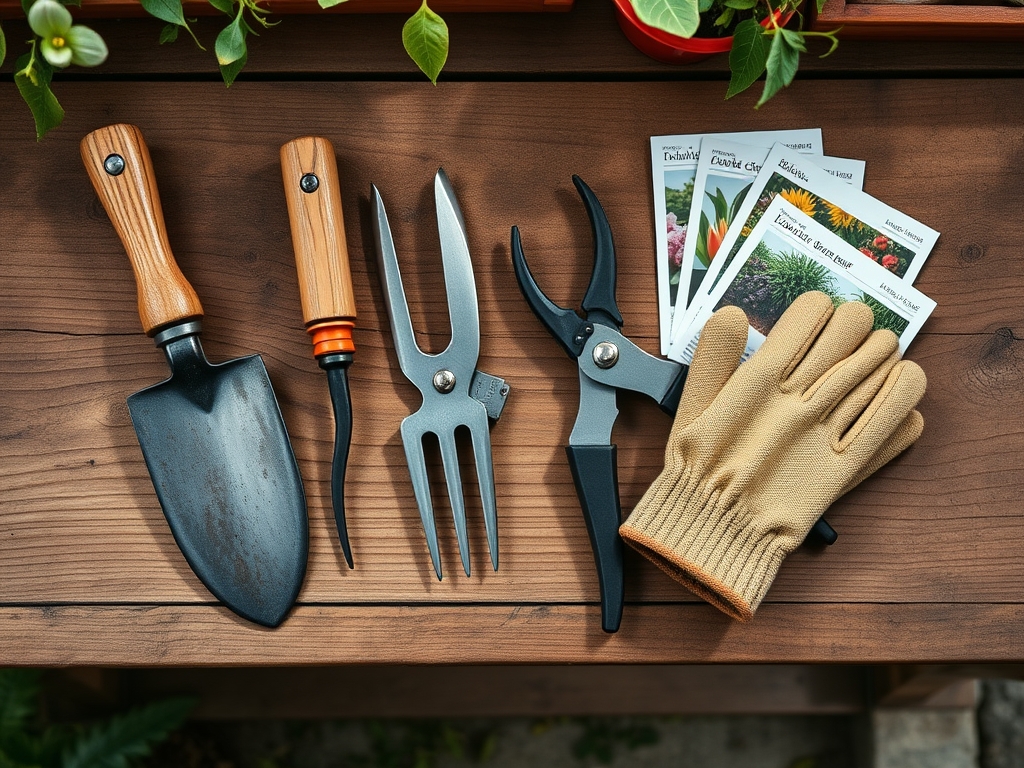
Equip yourself with a hori-hori knife for weeding and planting; its serrated edge is essential for cutting through compacted root mats. Use bypass pruners for all live wood to ensure clean cuts that heal quickly. Anvil pruners can crush vascular tissue, leading to localized necrosis. Every autumn, top-dress the soil with 2 inches of organic compost to replenish the carbon pool and support the soil's CEC.
The Yield:
If your secret garden includes botanical specimens for harvest, timing is critical. Harvest flowers when the buds are in the "marshmallow" stage; soft to the touch but not yet fully open. This ensures maximum vase life and essential oil concentration.
For medicinal or aromatic herbs, harvest in the early morning after the dew has evaporated but before the sun reaches its zenith. This is when the plant's volatile oils are most concentrated in the trichomes. Use a sharp blade to make a clean diagonal cut. Immediately submerge the stems in 40-degree Fahrenheit (4.4 degrees Celsius) water to remove field heat and maintain cellular turgor. This "cold chain" management preserves the structural integrity of the plant material for several days.
FAQ:
How do I make my garden feel more private?
Utilize vertical layering. Plant a dense evergreen hedge as a primary barrier. Add a secondary layer of deciduous shrubs and a tertiary layer of tall perennials to break sightlines and dampen external acoustic vibrations.
What is the best soil for a secret garden?
A well-drained, friable loam with 5 to 10 percent organic matter. The soil should have a granular structure that allows for at least 10 percent air porosity to ensure oxygen reaches the root system.
How often should I fertilize?
Apply a slow-release granular fertilizer once in early spring as the "first flush" of growth begins. Supplement with a liquid seaweed extract every 14 to 21 days during the peak growing season to provide trace minerals.
Can I design a secret garden in the shade?
Yes. Focus on plants with high chlorophyll density and large leaf surface areas, such as Hosta or Asplenium. These species are biologically adapted to capture low-intensity light in the forest understory.
How do I prevent soil compaction?
Establish permanent footpaths using stone or wood mulch. Never walk on planting beds. Walking on wet soil collapses the macropores, reducing the oxygen available for root respiration and inhibiting water infiltration.