5 Best Vines for Hidden Fences
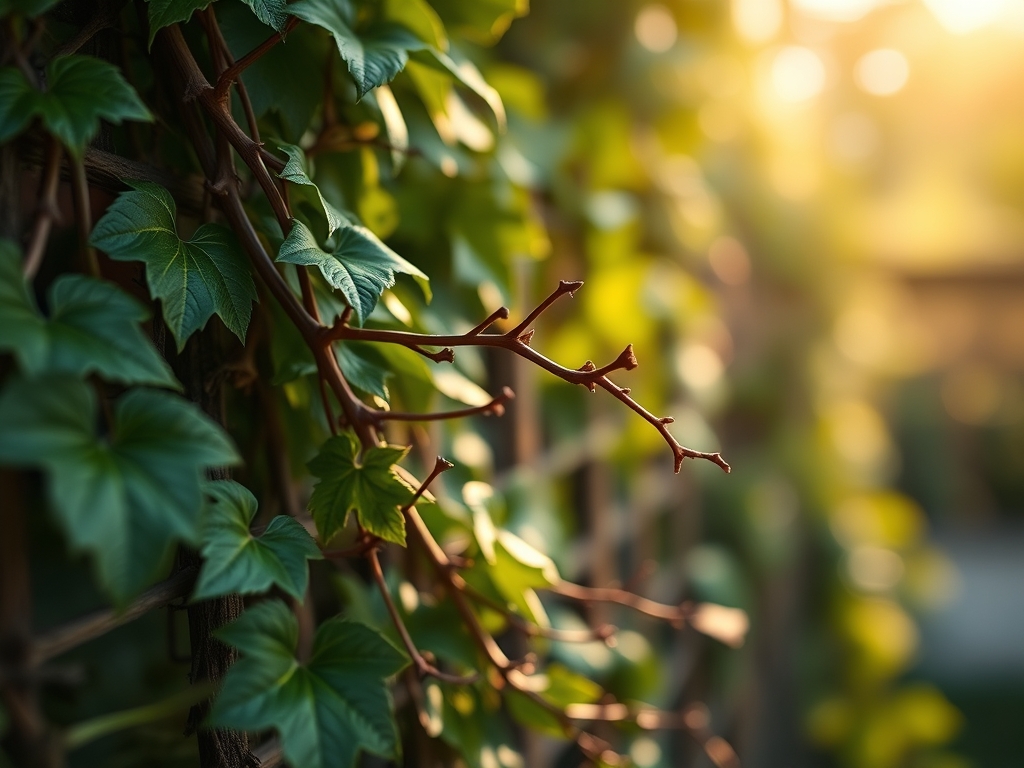
The smell of damp earth after a heavy rain signals the peak of microbial activity in the rhizosphere. When you grasp a healthy vine, you should feel the high turgor pressure within the stem; it should resist compression and snap cleanly if bent too far. Selecting the best vines for hidden fences requires an understanding of structural load and foliar density. A fence is not merely a boundary; it is a vertical substrate for biomass. To successfully obscure a chain-link or wooden structure, the species must exhibit rapid internodal elongation and a dense canopy. Failure to match the plant's vigor with the structural integrity of the fence leads to sagging or collapse. You are looking for species that utilize tendrils, twiners, or adhesive disks to achieve verticality. In most temperate climates, this means balancing the nitrogen requirements for leaf production with the potassium needs for cellular strength. A well-selected vine creates a living wall that buffers wind and regulates the microclimate of the immediate garden area through transpiration.
Materials:
The success of vertical growth begins with the Cation Exchange Capacity (CEC) of the soil. Aim for a **friable loam** with a CEC between **15 and 25 meq/100g**. This ensures the soil can hold essential nutrients like ammonium and potassium against leaching.
- Soil pH: Maintain a range of 6.0 to 7.2. Acidic soils below 5.5 limit the availability of phosphorus and molybdenum.
- Nitrogen (N): Use a 10-5-5 ratio during the early vegetative phase to drive chlorophyll production.
- Phosphorus (P): Switch to a 5-10-5 ratio if flowering is desired; phosphorus is critical for ATP transfer and root development.
- Potassium (K): Essential for osmoregulation; ensure the substrate has at least 200 ppm of exchangeable K.
- Organic Matter: Incorporate 3 inches of well-rotted compost to improve soil structure and water-holding capacity.
Timing:
Most perennial vines should be established in Hardiness Zones 4 through 9, depending on the specific genus. Planting must occur after the last spring frost when soil temperatures consistently reach 55 degrees Fahrenheit. This temperature threshold ensures that root respiration is high enough to support new cellular growth.
The biological clock of the vine is governed by the photoperiod. As day lengths increase, the plant stays in a vegetative state, focusing energy on apical dominance and stem extension. Once the summer solstice passes, many species transition to the reproductive stage, diverting sugars from the leaves to the flower buds or fruit. For woody perennials, the goal is to establish a deep root system before the first autumn frost to prevent heave during the winter freeze-thaw cycles.
Phases:
Sowing and Propagation
For annual vines like Ipomoea, sow seeds 1 inch deep directly into the soil once it has warmed. For perennial woody vines, softwood cuttings taken in early summer offer the highest success rate. Use a rooting hormone containing Indole-3-butyric acid (IBA) at a concentration of 1,000 to 3,000 ppm.
Pro-Tip: Scarify hard seed coats with sandpaper to break physical dormancy. This allows for rapid imbibition; the process where water enters the seed to activate the metabolic enzymes required for germination.
Transplanting
When moving nursery stock to the fence line, dig a hole twice the width of the root ball but no deeper. Ensure the crown of the plant sits exactly at the soil surface. Air pockets in the backfill can cause root desiccation.
Pro-Tip: Inoculate the planting hole with endomycorrhizal fungi. This creates a symbiotic relationship where the fungi extend the root's reach for phosphorus in exchange for plant sugars; effectively doubling the plant's drought resistance.
Establishing and Training
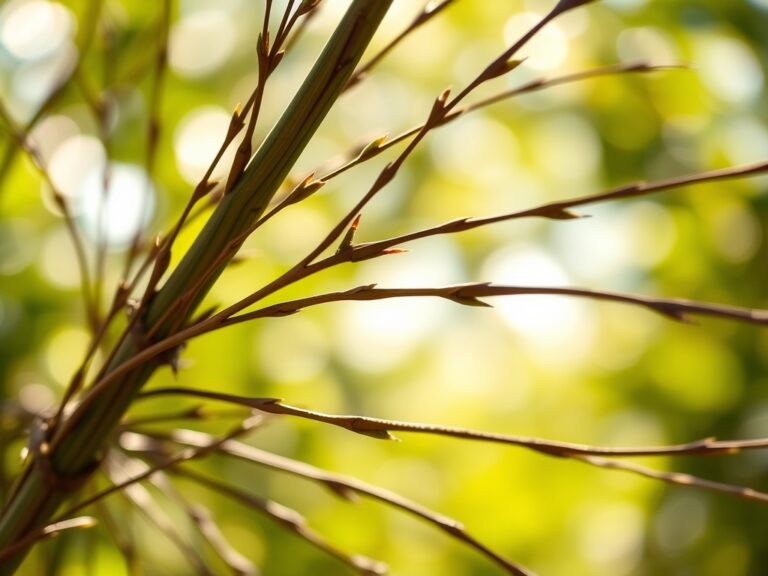
During the first 12 to 18 months, the vine must be manually guided. Use soft ties to secure main leaders to the fence. Prune the growing tips to encourage lateral branching; this fills the horizontal gaps in the fence more quickly.
Pro-Tip: Use a technique called apical bud removal. By pinching off the lead bud, you suppress the flow of auxins down the stem. This releases the dormant lateral buds from inhibition; resulting in a bushier, denser screen.
The Clinic:
Physiological disorders often mimic disease but are usually rooted in environmental or nutritional stress.
- Symptom: Interveinal chlorosis (yellowing between green veins) on new leaves.
- Solution: This indicates an Iron (Fe) deficiency, often caused by high soil pH. Apply chelated iron to the soil or as a foliar spray.
- Symptom: Marginal leaf burn or scorching on older leaves.
- Solution: This is a sign of Potassium (K) deficiency. Increase K applications and check for high sodium levels which can block K uptake.
- Symptom: Stunted growth and purplish tint on the underside of leaves.
- Solution: This points to Phosphorus (P) deficiency. This often occurs in cold, wet soils where P becomes immobile. Use a water-soluble high-P starter fertilizer.
- Fix-It for Nitrogen Chlorosis: If the entire plant turns pale green, apply a high-nitrogen urea-based fertilizer. Nitrogen is mobile within the plant; the vine will move N from old leaves to new growth, so symptoms appear first on the bottom foliage.
Maintenance:
Precision is required to maintain a living fence. Monitor the root zone using a soil moisture meter; the goal is to maintain a tension of 20 to 40 centibars.
- Irrigation: Provide 1.5 inches of water per week delivered via drip irrigation at the drip line. Avoid overhead watering to prevent fungal pathogens from colonizing the leaf surface.
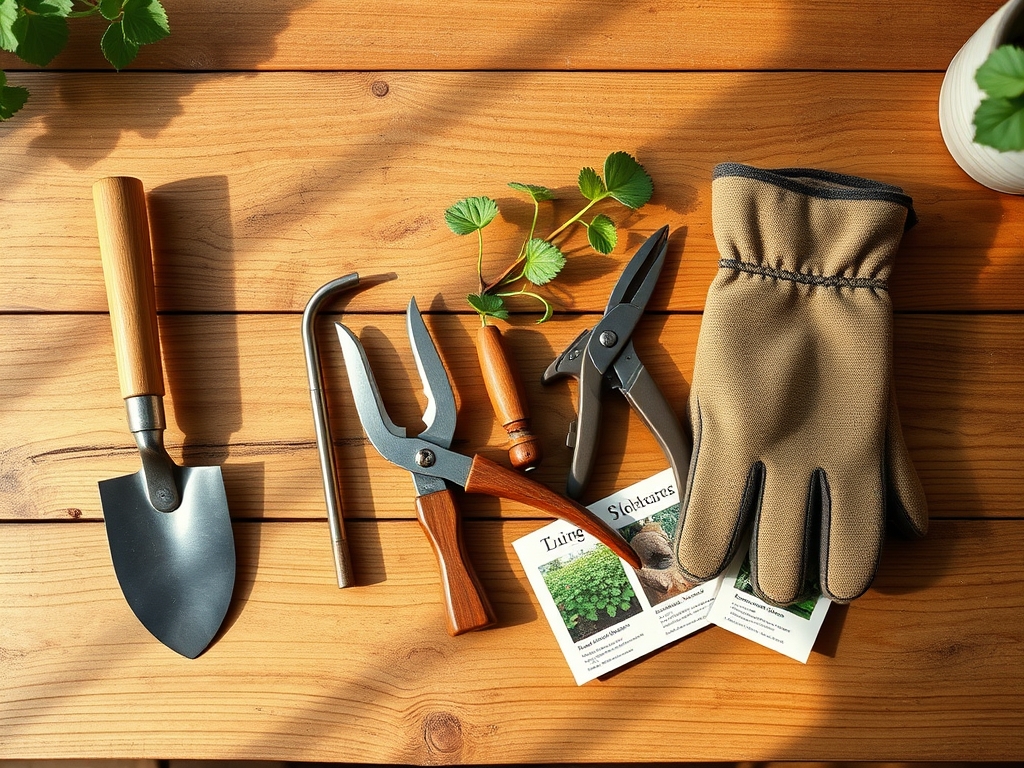
- Pruning: Use bypass pruners for clean cuts that heal quickly. Remove any dead or diseased wood (the "Three Ds": dead, damaged, diseased) immediately.
- Weeding: Use a hori-hori knife to remove deep-rooted perennial weeds that compete for nutrients in the rhizosphere.
- Mulching: Apply a 2-inch layer of arborist chips to suppress weeds and regulate soil temperature; keep mulch 3 inches away from the main stem to prevent crown rot.
The Yield:
If you are growing flowering vines like Clematis or Lonicera, timing the harvest of blooms is critical for longevity. Cut flowers in the early morning when turgor pressure is at its maximum. Use a sharp knife to make a diagonal cut, increasing the surface area for water uptake.
Immediately plunge the stems into 110-degree Fahrenheit water containing a floral preservative. This "hardening off" process removes air bubbles from the xylem and ensures the vascular system remains open. For woody vines, stripping the bottom two inches of bark can further enhance water absorption for "day-one" freshness in a vase.
FAQ:
Which vine grows the fastest for privacy?
Hops (Humulus lupulus) can grow up to 12 inches per day in ideal conditions. It requires high nitrogen and consistent moisture. It provides a dense, rough-textured screen that completely obscures fences within a single growing season in Zones 3-8.
How do I prevent vines from damaging my fence?
Avoid "woody twiners" like Wisteria on light-gauge wire. Use tendril-climbing vines like Clematis or Passiflora. These species use small, curled appendages to grip the structure without the massive secondary thickening that can crush or warp wooden or metal fence rails.
What is the best soil for climbing vines?
A well-drained, silty loam with a pH of 6.5 is ideal. The soil should have a high organic matter content (above 5%) to support the intense nutrient demands of rapid vertical growth and high transpiration rates.
How often should I fertilize my privacy vines?
Apply a balanced 10-10-10 fertilizer in early spring as the first buds break. Follow with a second application in mid-summer. Stop all fertilization 6 weeks before the first frost to allow the plant to harden off for winter.