5 Best Weather-proof Garden String
The smell of damp earth and the metallic tang of oxidized minerals signal the start of a serious growing season. In the high-turgor environment of a mid-summer garden, a plant's vascular system works at maximum capacity to maintain cellular rigidity. When heavy fruit or dense foliage increases the mechanical load on a stem, the structural integrity of your support system becomes the primary variable between a record harvest and a catastrophic collapse. Selecting the best weather-proof garden string is not a matter of aesthetics; it is a technical necessity for managing plant weight under the stressors of UV degradation and high humidity. A low-quality twine will snap under the tension of a water-heavy vine or rot within weeks when exposed to the microbial activity of a healthy rhizosphere. You need a material that resists fungal colonization and maintains tensile strength through fluctuating thermal cycles. Professional-grade cordage ensures that your trellising remains taut, preventing the abrasive scarring of delicate epidermal tissues during high-wind events.
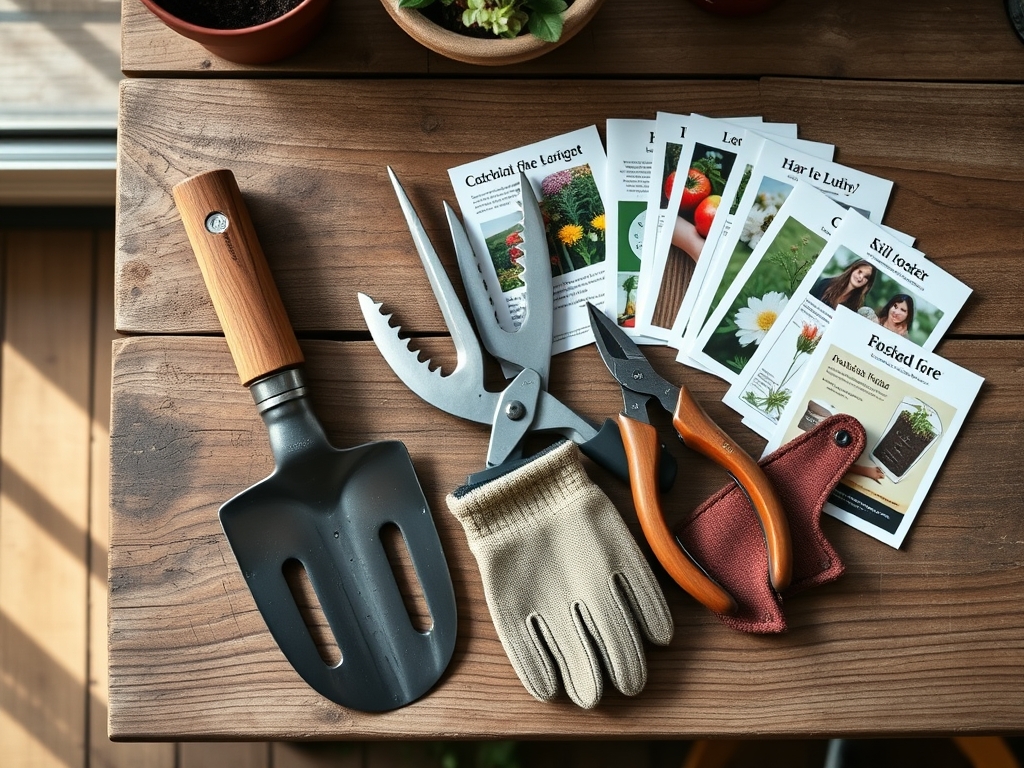
Materials:
The performance of garden string is inextricably linked to the environment where it is deployed. For heavy feeders in a **friable loam** with a **pH of 6.2 to 6.8**, the substrate provides the necessary **Cation Exchange Capacity (CEC)** to fuel rapid growth. This growth requires high-tensile support. When preparing your beds, aim for an **NPK ratio of 5-10-10** for root and fruit development, or **10-10-10** for general vegetative maintenance. The physical texture of the soil should allow for immediate drainage while retaining enough moisture to prevent wilting. In these high-nutrient environments, the best weather-proof garden string must be resistant to the acidic nature of the soil and the alkaline residues often found in hard water irrigation. Use synthetic polymers like UV-stabilized polypropylene for maximum longevity, or heavy-duty jute treated with natural oils if you require a biodegradable option that survives a single grueling season.
Timing:
Successful gardening requires synchronization with the local Hardiness Zone. In Zones 5 through 7, the window between the last spring frost and the first autumn freeze dictates the biological clock of your cultivars. The transition from the vegetative stage to the reproductive stage is triggered by the photoperiod, where changes in light duration signal the plant to shift its energy from leaf production to flowering. You must install your support strings before the plant reaches 12 inches in height. Attempting to trellis a plant after it has established its primary scaffolding leads to micro-fractures in the stem. These fractures disrupt the flow of xylem and phloem, leading to localized necrosis. Monitor the soil temperature; most warm-season crops require a consistent 65 degrees Fahrenheit at a depth of 4 inches before they can be safely tethered to a permanent support structure.
Phases:
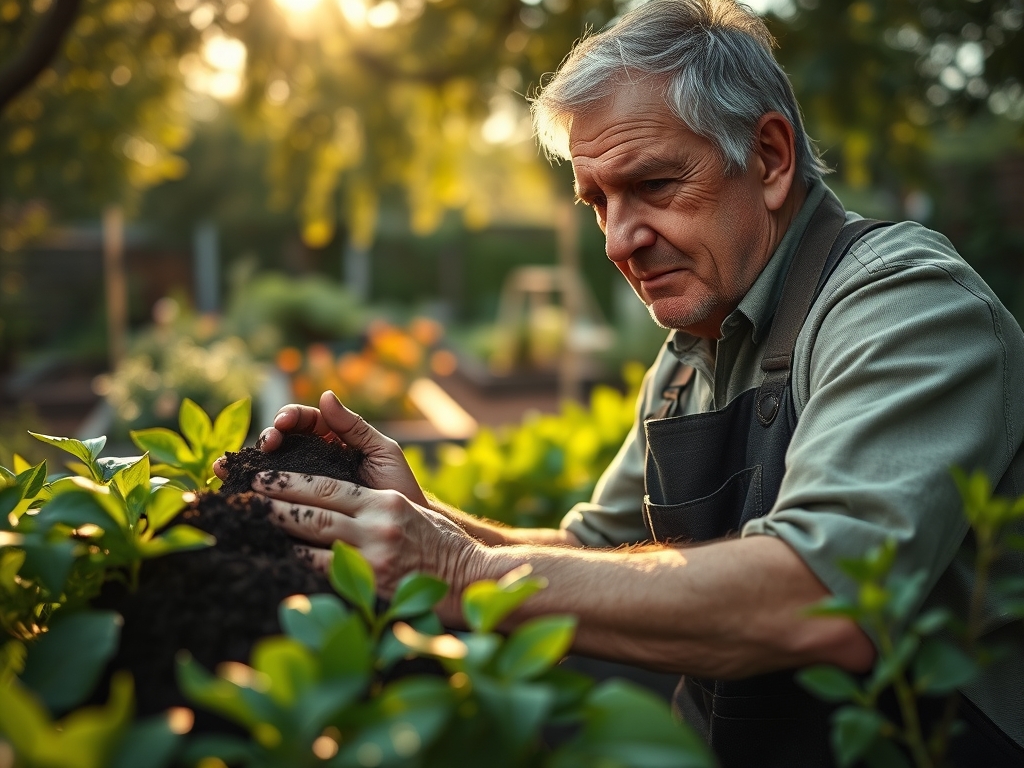
Sowing
Direct sowing requires a precise depth, usually two to three times the width of the seed. For larger seeds like legumes, ensure the soil is firmed down to establish capillary action, drawing moisture directly to the seed coat.
Pro-Tip: Proper seed-to-soil contact facilitates imbibition, the process where the seed absorbs water to activate metabolic enzymes. Without this initial hydraulic pressure, the embryo remains dormant and susceptible to fungal pathogens.
Transplanting
When moving seedlings from a controlled environment to the field, use a hori-hori knife to cut a clean hole that accommodates the entire root ball without "J-rooting." The best weather-proof garden string should be pre-strung on the trellis system to allow for immediate anchoring.
Pro-Tip: Mycorrhizal fungi inoculation during transplanting increases the surface area of the root system. This mycorrhizal symbiosis enhances the uptake of phosphorus and water, allowing the plant to better withstand the physical tension of being tied to a support.
Establishing
As the plant enters its rapid growth phase, use a loose "figure-eight" knot with your garden string. This prevents girdling, which occurs when the string constricts the vascular tissue as the stem diameter increases.
Pro-Tip: Removing the lower axillary buds, or "suckers," focuses the plant's energy on the central leader. This process, driven by auxin suppression, ensures that apical dominance is maintained, resulting in a taller, more manageable plant that utilizes the vertical space of your string system efficiently.
The Clinic:
Physiological disorders often mimic infectious diseases but are rooted in environmental stress or nutrient imbalances.
- Symptom: Interveinal chlorosis on older leaves.
Solution: This indicates a Magnesium deficiency. Apply a foliar spray of Epsom salts (magnesium sulfate) at a rate of 1 tablespoon per gallon of water to restore chlorophyll production.
- Symptom: Blossom end rot on fruit.
Solution: This is a Calcium transport issue, often caused by inconsistent soil moisture rather than a lack of calcium in the soil. Maintain a steady irrigation schedule to ensure calcium moves through the transpiration stream.
- Symptom: General yellowing of the entire plant (Nitrogen chlorosis).
Fix-It: Apply a high-nitrogen liquid fertilizer with an NPK of 4-1-1. Nitrogen is a mobile nutrient; the plant will sacrifice older leaves to provide nitrogen to new growth.
- Symptom: Brittle stems and leaf curling.
Solution: Check for Boron deficiency. Boron is essential for cell wall structural integrity. A dilute borax solution can correct this, but use caution as the margin between sufficiency and toxicity is narrow.
Maintenance:
Precision maintenance is the hallmark of a professional grower. Plants require exactly 1.5 inches of water per week, delivered directly at the drip line to avoid wetting the foliage, which invites fungal spores. Use a soil moisture meter daily to check the tension of the water in the soil; do not rely on visual cues alone. Use bypass pruners to make clean, 45-degree angle cuts when removing spent foliage; this angle prevents water from pooling on the wound and causing rot. Regularly inspect your garden string for signs of fraying or UV bleaching. If a string shows signs of failure, double-line it immediately to distribute the load. Keep your hori-hori knife sharpened to ensure that any pruning or weeding does not tear the plant's bark, which would compromise its resistance to pests.
The Yield:
Harvesting is a biological countdown. For most fruiting crops, harvest when the fruit reaches its "breaker stage," or about 90 percent color saturation. This is the point when the plant has finished pumping sugars into the fruit but before the cell walls begin senescence, or the natural aging process. Use sharp shears to cut the peduncle, leaving a small stub to prevent moisture loss from the fruit. To maintain "day-one" freshness, move the harvest to a cool, shaded area immediately to remove "field heat." This slows down the respiration rate of the produce, preserving the sugars and acids that provide flavor. For flowers, harvest in the early morning when turgor pressure is at its peak, and plunge the stems into 100-degree Fahrenheit water to clear any air bubbles from the xylem.
FAQ:
What is the strongest material for garden string?
UV-stabilized polypropylene is the superior choice for longevity. It resists rot, mold, and chemical degradation. It maintains a high tensile strength of over 50 pounds, making it ideal for supporting heavy indeterminate tomato varieties throughout a long growing season.
How do I prevent string from cutting into stems?
Use a "figure-eight" knot to provide a buffer zone. This allows the stem to expand in diameter without being constricted. Constriction limits the flow of nutrients through the phloem, which can lead to stunted growth or localized plant death.
Can I reuse garden string next year?
Synthetic strings can be reused if they are disinfected in a 10 percent bleach solution to kill overwintering pathogens. However, natural fibers like jute or cotton should be composted, as their structural integrity degrades significantly after one season of UV exposure.
Why does my string snap in the wind?
This is usually caused by UV degradation or "shock loading." Constant exposure to sunlight breaks down the molecular bonds in the fibers. Ensure you use string specifically labeled as UV-resistant to prevent the material from becoming brittle and failing under tension.