10 Best Heights for Bird Houses
Damp earth releases geosmin as the spade cuts through the rhizosphere; the scent signals a healthy microbial community ready for the season. Success in the garden requires more than just high turgor pressure in your seedlings; it requires a structural integration of the local ecosystem. Understanding the best heights for bird houses ensures that insectivorous avian species are positioned to manage pest populations naturally. Most cavity-nesting birds require a specific elevation between 5 and 20 feet to ensure safety from terrestrial predators while maintaining a clear flight path for foraging.
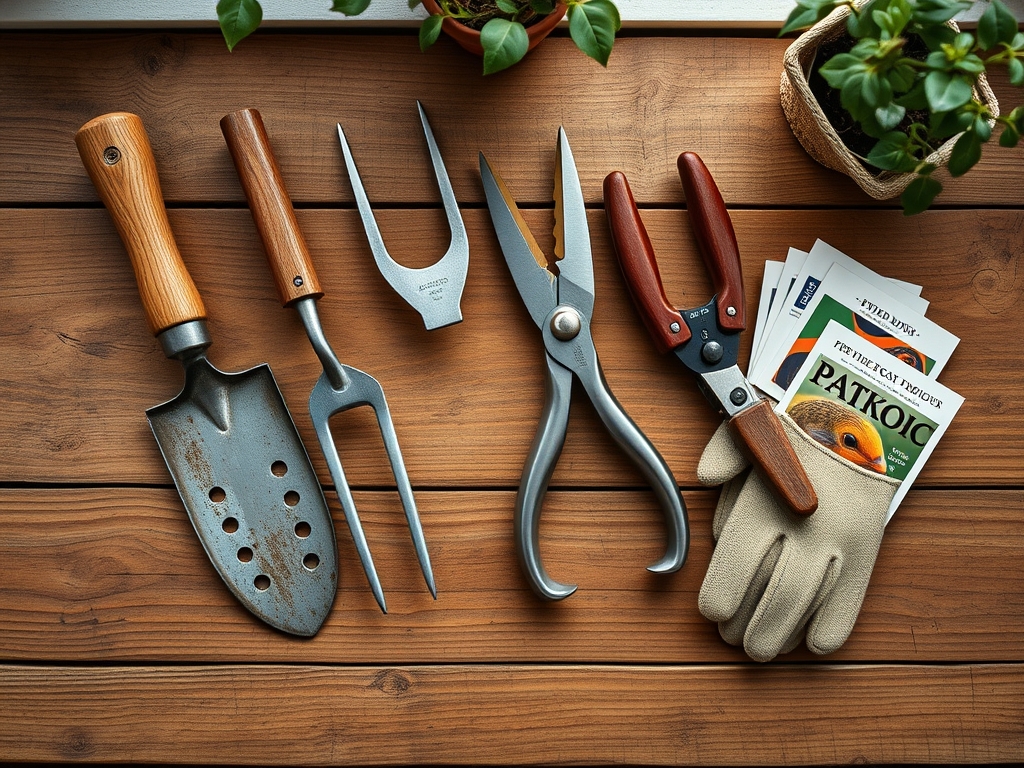
Materials:
The foundation of any habitat starts with the substrate. For a garden optimized for both flora and fauna, aim for a **friable loam** with a bulk density of approximately **1.3 grams per cubic centimeter**. The soil pH must be maintained between **6.2 and 6.8** to maximize nutrient availability. A balanced NPK ratio of **10-10-10** supports initial vegetative growth, but as the season progresses, a shift to **5-10-15** encourages the structural rigidity needed for plants that might support nesting sites. High **Cation Exchange Capacity (CEC)**, ideally above **15 meq/100g**, ensures that essential ions like potassium and magnesium remain accessible in the root zone rather than leaching away during heavy irrigation.
Timing:
In Hardiness Zones 5 through 8, the biological clock for habitat preparation begins four to six weeks before the average last frost date. This window allows the garden to transition from dormancy to the vegetative stage. As the photoperiod extends beyond 12 hours, plants initiate the production of auxins, driving apical dominance. Installing bird houses during this late winter dormancy prevents disturbing the nesting cycle. If you wait until the reproductive stage of the local flora, when energy is diverted to flowering and seed production, you miss the primary window for avian territory establishment. Monitoring the soil temperature with a probe is essential; once the ground reaches a consistent 55 degrees Fahrenheit, the microbial activity in the soil accelerates, signaling the start of the active growing season.
Phases:
Sowing and Placement
Begin by identifying the vertical requirements of your target species. Bluebirds prefer heights of 4 to 6 feet in open areas, while Chickadees require 6 to 15 feet within a wooded edge. When sowing cover crops or supportive perennials, ensure the soil is tilled to a depth of 6 inches to break up any compaction layers.
Pro-Tip: Position houses away from dense foliage to prevent thigmotropism from obstructing the entrance. Birds require a clear "line of sight" to detect predators before exiting the cavity.
Transplanting and Anchoring
When moving seedlings into the garden, maintain the original soil line to avoid stem rot. For the structures themselves, use galvanized hardware to prevent rust. Ensure the mounting pole is buried at least 2 feet deep or anchored with a concrete footer if the soil has high sand content and low structural integrity.
Pro-Tip: Incorporate mycorrhizal inoculants during transplanting. This symbiotic relationship between fungi and roots increases the surface area for water absorption, ensuring the plant can support the weight of a mounted house without leaning.
Establishing and Monitoring
The establishment phase requires consistent moisture monitoring. Use a soil moisture meter to ensure the top 3 inches of soil do not desiccate. For the birds, this phase involves territorial defense. Observe the flight patterns to ensure no invasive species are displacing the intended occupants.
Pro-Tip: Suppress auxin production in surrounding shrubs by pruning terminal buds. This encourages lateral branching, creating a denser "buffer zone" of foliage below the bird house height to hide the structure from ground-level threats.
The Clinic:
Physiological disorders in the garden often manifest through visual cues in the foliage.
- Symptom: Interveinal chlorosis on young leaves.
- Solution: This indicates an Iron deficiency, often caused by a pH above 7.0. Apply chelated iron and lower the pH using elemental sulfur.
- Symptom: Marginal necrosis (browning of leaf edges).
- Solution: This is a classic sign of Potassium deficiency. Supplement with sulfate of potash at a rate of 0.5 pounds per 100 square feet.
- Symptom: Stunted growth with purple tinting on the underside of leaves.
- Solution: Phosphorus deficiency is the culprit. Apply bone meal or triple superphosphate to the rhizosphere to stimulate root development and ATP production.
Fix-It: For general Nitrogen chlorosis (uniform yellowing of older leaves), apply a quick-release nitrate fertilizer. Nitrogen is mobile within the plant; the organism will sacrifice older tissue to support new growth if levels are insufficient.
Maintenance:
Precision is the hallmark of a professional horticulturist. Deliver exactly 1.5 inches of water per week at the drip line of your supporting trees and shrubs. Avoid wetting the foliage to prevent fungal pathogens. Use a hori-hori knife to remove deep-taproot weeds that compete for nutrients. Every autumn, use bypass pruners to remove dead or diseased wood (senescence), which reduces the weight load on branches holding bird houses. Check the tension of any mounting wires annually to ensure they are not girdling the tree bark, which restricts the flow of photosynthates through the phloem.
The Yield:
While the "yield" of a bird house is the successful fledging of a brood, the garden yield involves the harvest of fruits or flowers protected by these birds. Harvest pomes and stone fruits when the abscission layer forms at the base of the stem; a gentle twist should release the fruit without tearing the bark. For flowers, cut in the early morning when turgor pressure is at its peak. Immediately submerge the stems in 110-degree Fahrenheit water to remove air bubbles from the xylem, ensuring "day-one" freshness for the longest possible duration.
FAQ:
What is the best height for a Bluebird house?
Bluebirds require a height between 4 and 6 feet. Place the house in an open area facing a clear landing spot. This elevation allows for easy monitoring while remaining high enough to discourage most ground-based predators.
How high should a House Wren box be placed?
Mount House Wren boxes at a height of 6 to 10 feet. These birds prefer their nesting sites to be located near or within brushy thickets or low tree clusters to provide immediate cover upon exiting the nest.
What is the ideal height for a Purple Martin colony?
Purple Martins require significant elevation, typically between 12 and 20 feet. The housing should be placed in an open area at least 40 feet away from trees or buildings to allow for their specialized aerial maneuvers.
Does the direction of the bird house matter?
Yes. Face the entrance hole toward the East or Northeast. This orientation protects the interior from prevailing westerly winds and prevents the intense afternoon sun from overheating the nestlings during the peak of the summer heat.