10 Strategic Ways How to Prep a Winter Garden
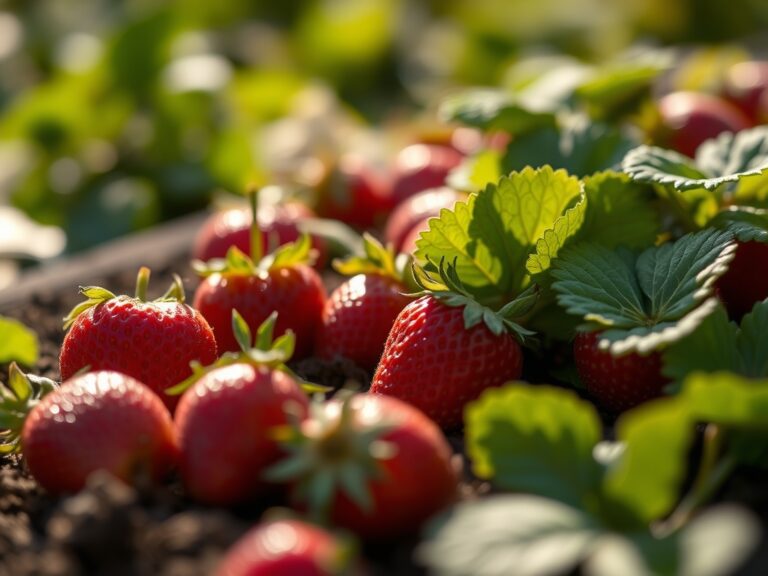
Damp earth carries a sharp, metallic scent as temperatures drop and microbial activity shifts into a slower gear. The turgor pressure within a healthy leaf depends entirely on the osmotic potential of the soil solution before the first hard freeze. Learning how to prep a winter garden requires a technical understanding of plant physiology and soil chemistry rather than mere seasonal cleanup. Success in the cold months is determined by the structural integrity of the rhizosphere and the strategic timing of nutrient applications. You must transition your mindset from rapid vegetative growth to the management of dormancy and cellular protection. A well-prepared winter plot functions as a biological reservoir; it preserves soil structure and protects the vascular systems of perennial specimens against desiccation and frost heaving. By manipulating the soil environment now, you ensure that the Cation Exchange Capacity remains optimized for spring emergence while maintaining a productive harvest throughout the frost window.
Materials:
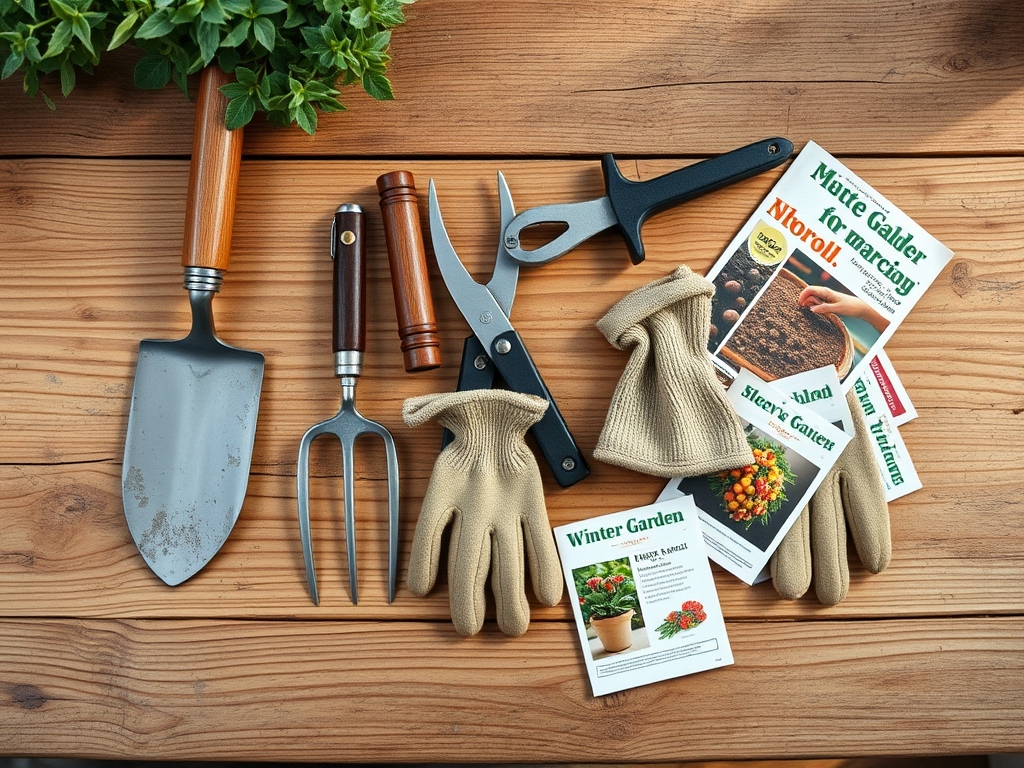
The foundation of a winter garden is a **friable loam** with a high percentage of organic matter to facilitate drainage. Waterlogged soil during winter leads to anaerobic conditions and root rot. Aim for a **soil pH between 6.2 and 6.8** to ensure maximum nutrient availability.
Your nutrient strategy must shift away from high nitrogen. Use a low-nitrogen, high-potassium fertilizer (NPK ratio of 5-10-15). Potassium is essential for thickening cell walls and increasing the concentration of solutes in the cell sap; this acts as a biological antifreeze. You will also need bulk arborist wood chips or long-strand wheat straw for insulation. These materials must be free of weed seeds and pathogens. Ensure you have a high-quality calibrated soil thermometer to monitor the internal temperature of your beds; root growth generally ceases when soil temperatures drop below 40 degrees Fahrenheit.
Timing:
Timing is dictated by your specific USDA Hardiness Zone and the local first frost date. In Zones 5 through 7, preparation must begin in late September to allow root systems to establish before the ground freezes. In Zones 8 through 10, the window extends into November.
The biological clock of the plant is governed by the photoperiod (the length of daylight). As day length drops below 10 hours, most plants enter a state of semi-dormancy or significantly slowed growth. This is known as the Persephone Period. You must ensure that your winter crops reach at least 75 percent of their maturity before this light threshold is met. Once the photoperiod is too short, the plant will no longer produce significant new biomass; it will simply "hold" its current state until the days lengthen in late January or February.
Phases:

Sowing and Soil Fortification
Direct sow cold-hardy seeds such as kale, spinach, and winter radishes when soil temperatures are still between 55 and 65 degrees Fahrenheit. Incorporate well-aged compost at a rate of two inches across the surface to improve the Cation Exchange Capacity (CEC). This allows the soil to hold onto essential minerals like calcium and magnesium through heavy winter rains.
Pro-Tip: Focus on Mycorrhizal Symbiosis. Inoculating the soil with beneficial fungi during sowing extends the root system's reach; this improves phosphorus uptake and water absorption during periods of frozen topsoil.
Transplanting
When moving starts into the winter bed, ensure the root ball is saturated. Use a hori-hori knife to cut through any circling roots to prevent girdling. Space plants 20 percent further apart than in summer to allow for maximum airflow; this reduces the risk of fungal pathogens in the humid, cool microclimate under row covers.
Pro-Tip: Managing Auxin Suppression. When you transplant, avoid heavy pruning of the terminal buds. Maintaining the apical dominance helps the plant focus energy on root establishment rather than trying to push out tender new growth that would be killed by a freeze.
Establishing and Mulching
Apply a three to four-inch layer of organic mulch once the ground has cooled but before it freezes solid. This layer stabilizes the soil temperature and prevents the freeze-thaw cycle from physically ejecting shallow-rooted plants from the earth.
Pro-Tip: The Insulation Effect. Mulch works by trapping air pockets. This prevents "frost heaving," a mechanical process where ice crystals expand in the soil and tear the delicate root hairs of your crops.
The Clinic:
Physiological disorders in the winter garden often mimic disease but are usually environmental.
- Symptom: Purpling of lower leaves on brassicas.
- Solution: This is often Phosphorus deficiency caused by cold soils (below 45 degrees) which inhibits uptake. Apply a foliar kelp spray to provide immediate micronutrients.
- Symptom: Marginal leaf burn or "tip burn."
- Solution: This indicates Calcium localized deficiency or wind desiccation. Increase mulch depth and ensure consistent moisture levels.
- Symptom: Interveinal chlorosis (yellowing between green veins).
- Solution: Magnesium deficiency. Apply Epsom salts (Magnesium Sulfate) at a rate of one tablespoon per gallon of water to the base of the plant.
Fix-It: For general Nitrogen chlorosis (overall pale yellowing), avoid high-nitrogen synthetic fertilizers which can cause a flush of weak growth. Instead, use a blood meal or fish emulsion at half-strength to provide a slow-release nitrogen source that won't compromise cold hardiness.
Maintenance:
Winter maintenance requires precision. Use a soil moisture meter to check levels three inches below the surface. Plants still require 1 to 1.5 inches of water per week if there is no significant rainfall. Water early in the morning so the foliage is dry by dusk; this prevents Botrytis.
Keep your bypass pruners sharp and sanitized with 70 percent isopropyl alcohol to remove any necrotic (dead) tissue immediately. Necrotic tissue is an entry point for pathogens. If using low tunnels or cold frames, you must vent them when ambient temperatures exceed 45 degrees Fahrenheit to prevent heat stress and humidity buildup. Use a hori-hori knife to remove winter weeds like chickweed or henbit; these compete for the limited nutrients available in the cold rhizosphere.
The Yield:
Harvesting in winter is about timing the sugar content. For root crops like carrots and parsnips, wait until after the first two hard frosts. Cold temperatures trigger the plant to convert starches into sugars as a survival mechanism; this results in a superior flavor profile.
Use a garden fork to loosen the soil around the roots to avoid snapping the taproot. For leafy greens, harvest the older, outer leaves first to allow the central growing point to remain protected. To maintain "day-one" freshness, immediately submerge harvested greens in 40-degree water to remove field heat and maintain turgor. Store in a sealed environment at 33 to 35 degrees Fahrenheit with high humidity.
FAQ:
When should I stop fertilizing for winter?
Cease high-nitrogen fertilization six weeks before your first expected frost. This prevents the production of tender, new growth that is highly susceptible to ice crystal formation and cellular rupture during freezing temperatures.
How deep should I mulch my winter beds?
Apply a consistent layer of three to four inches of organic material. This depth is sufficient to insulate the rhizosphere and prevent the freeze-thaw cycles that cause soil heaving and root damage in perennial and biennial crops.
Can I plant seeds in frozen soil?
No. Seeds require a minimum soil temperature, usually above 40 degrees Fahrenheit, to trigger the metabolic processes required for germination. Planting in frozen soil leads to seed decay or dormancy-related predation by soil biota.
How do I protect plants from heavy snow?
Use structural supports like PVC hoops or heavy-gauge wire to keep row covers and snow loads off the plant foliage. Physical contact between heavy snow and leaves can cause mechanical breakage and increase the risk of fungal infection.