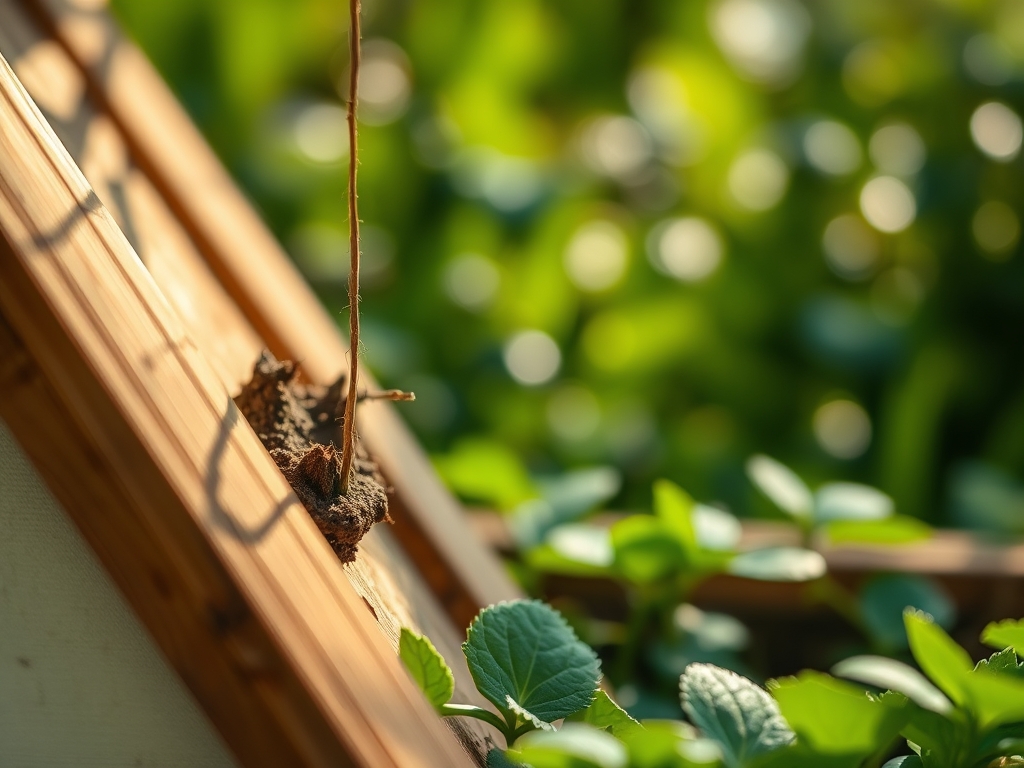
7 Simple Steps to Install a Cold Frame
The smell of damp, oxygenated earth hitting a cold morning air signals the start of the shoulder season. To maintain turgor pressure in tender leafy greens when the ambient temperature drops below freezing, you must master the steps to install a cold frame. This structure acts as a thermal battery; it traps solar radiation and buffers the rhizosphere against radical temperature swings. By controlling the microclimate, you extend the growing season by up to eight weeks, ensuring cellular integrity remains intact during frost events.
Materials:
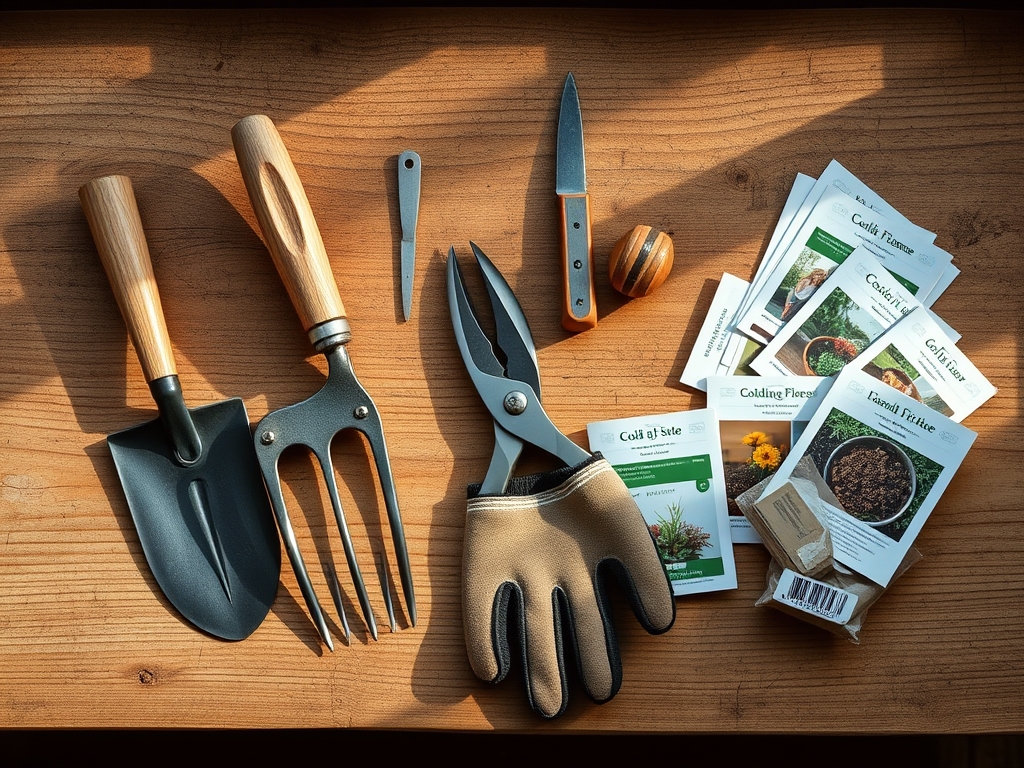
Success begins with the substrate. You require a friable loam with a **Cation Exchange Capacity (CEC) above 15**. This ensures the soil can hold and exchange essential nutrients like calcium and magnesium. The soil pH must sit between **6.2 and 6.8** to optimize nutrient availability. For the base layer, incorporate a balanced organic fertilizer with an **NPK ratio of 5-5-5**. Avoid high nitrogen blends early in the season; excessive nitrogen can lead to succulent growth that is highly susceptible to frost damage. The frame itself should consist of rot-resistant timber like cedar or locust and a transparent lid made of **6mm polycarbonate** or double-pane tempered glass to maximize light transmission while providing an R-value of approximately 1.5 to 2.0.
Timing:
In USDA Hardiness Zones 4 through 7, the primary installation window opens six weeks before the local average last frost date. For autumn extension, install the frame when daylight hours drop below 10 per day; this is the "Persephone Period" where plant growth slows significantly. Understanding the biological clock is vital. Most cool-season crops transition from vegetative to reproductive stages based on the photoperiod. By installing the frame early, you maintain a soil temperature of at least 45 degrees Fahrenheit, preventing the premature senescence triggered by cold stress. Monitor the soil moisture levels daily as the enclosed environment can accelerate evaporation despite low external temperatures.
Phases:

Sowing
Direct sow seeds into the prepared loam at a depth of three times the seed diameter. Ensure the soil is firmed down to establish good seed-to-soil contact, which is necessary for capillary action to hydrate the seed coat.
Pro-Tip: Maintain consistent moisture to trigger imbibition. This biological process activates enzymes that break down starch into sugars, fueling the embryo's emergence.
Transplanting
When moving seedlings into the frame, minimize root disturbance to prevent transplant shock. Dig a hole twice the size of the root ball using a hori-hori knife. Space plants according to their mature width to ensure adequate airflow and prevent fungal pathogens.
Pro-Tip: Inoculate the planting hole with mycorrhizal fungi. This symbiotic relationship expands the root system's reach, increasing the uptake of phosphorus and water through hyphal networks.
Establishing
Once the plants are in the ground, monitor the internal temperature. If the interior exceeds 75 degrees Fahrenheit, you must vent the lid. High heat causes auxin suppression, leading to stunted growth or bolting in cool-season crops like spinach and radishes.
Pro-Tip: Use a manual prop to vent the frame. This regulates the temperature and introduces CO2, which is essential for the Calvin cycle during photosynthesis.
The Clinic:
Physiological disorders often manifest when the environment is poorly managed. Identify these symptoms to intervene before crop loss occurs.
- Nitrogen Chlorosis: Lower leaves turn pale yellow while veins remain green. Fix-It: Apply a water-soluble fish emulsion with a 5-1-1 NPK ratio to provide immediate bioavailable nitrogen.
- Damping Off: Seedlings collapse at the soil line due to fungal pathogens like Pythium. Fix-It: Increase ventilation and reduce irrigation. Ensure the soil surface dries between watering cycles.
- Edema: Small bumps or blisters appear on the underside of leaves. This occurs when the plant absorbs water faster than it can transpire. Fix-It: Improve airflow and reduce humidity levels within the frame.
- Tip Burn: Calcium deficiency caused by inconsistent watering, common in lettuce. Fix-It: Maintain a steady soil moisture level of 1.5 inches of water per week to ensure calcium moves through the xylem efficiently.
Maintenance:
Precision is the difference between a harvest and a compost pile. Use a soil moisture meter to verify that the root zone stays at a consistent 60 to 70 percent field capacity. Apply exactly 1.5 inches of water per week at the drip line; avoid wetting the foliage to mitigate the risk of Botrytis. Use bypass pruners to remove any necrotic tissue or yellowing leaves, which can attract pests or harbor pathogens. Every two weeks, check the structural integrity of the frame. Ensure the seal between the lid and the box is tight to prevent heat leakage during sub-zero nights. If temperatures are forecasted to drop below 20 degrees Fahrenheit, drape an insulated blanket over the polycarbonate lid to provide an extra layer of thermal mass.
The Yield:
Harvesting from a cold frame requires a delicate touch to preserve the plant's longevity. For "cut and come again" crops, use sharp shears to take only the outer leaves, leaving the central meristem intact for continued growth. Harvest in the early morning when turgor pressure is at its peak; this ensures the crispest texture and highest nutrient density. For root crops like carrots, wait until a light frost has hit the frame. Cold temperatures trigger the plant to convert starches into sugars as a natural antifreeze, significantly improving the flavor profile. Post-harvest, submerge greens in an ice-water bath for ten minutes to remove field heat and maintain "day-one" freshness before refrigeration.
FAQ:
What is the best orientation for a cold frame?
Place the frame on a south-facing slope or against a south-facing wall. This maximizes solar gain during the short days of winter. A slope of 30 to 45 degrees on the lid optimizes light penetration and sheds snow effectively.
How do I prevent plants from overheating?
Monitor internal temperatures with a digital thermometer. When the air inside reaches 70 degrees Fahrenheit, prop the lid open several inches. For automated control, install a solar-powered vent opener that expands and contracts based on ambient heat levels.
Can I use a cold frame in the summer?
Yes. Remove the clear lid and replace it with a shade cloth or bird netting. This transforms the unit into a protected nursery for heat-sensitive seedlings or a hardening-off station for transplants moving from the greenhouse to the open field.
What is the ideal soil depth for a cold frame?
Aim for a minimum of 8 to 12 inches of high-quality friable loam. This depth provides enough volume for robust root development and increases the thermal mass of the soil, which helps stabilize temperatures during cold nights.
How do I manage humidity inside the frame?
Ventilate the frame daily, even in cold weather, for at least thirty minutes. This replaces stagnant, moisture-laden air with fresh air, reducing the risk of fungal diseases like powdery mildew and maintaining proper transpiration rates for the plants.