8 Best Palm Fronds for Thatching
The smell of damp earth and the sharp, metallic scent of oxidized sap signal the start of a proper harvest. When a frond reaches peak turgor pressure, its cellular walls are rigid and the cuticle is thick with protective waxes. Selecting the best palm fronds for thatching requires more than an aesthetic eye; it demands an understanding of lignification and fiber density. A frond harvested at the correct stage of senescence will resist rot for decades, whereas a premature leaf collapses under its own moisture content. For the master horticulturist, the goal is to identify species with high silica content and a low rate of decomposition. These botanical structures serve as the primary defense against hydraulic pressure and UV degradation. Successful thatching begins in the soil, where the plant builds the structural proteins necessary for weather resistance. By focusing on the physiological strength of the pinnate or palmate leaf, you ensure a material that can withstand wind speeds exceeding 50 miles per hour and shedding water with 90 percent efficiency.
Materials:
Quality thatch is a direct product of soil chemistry. To produce the best palm fronds for thatching, the substrate must be a friable loam with a Soil Cation Exchange Capacity (CEC) between 15 and 25 meq/100g. This ensures the plant can access the micronutrients required for leaf durability.
The ideal soil pH for most thatching species ranges from 6.0 to 7.2. In alkaline soils, iron and manganese become locked, leading to brittle fronds. Maintain a strict NPK ratio of 8-2-12. High nitrogen (N) promotes rapid growth, but excessive amounts result in soft, succulent tissues that rot quickly. High potassium (K) is essential for strengthening cell walls and improving drought resistance. Magnesium (Mg) should be applied at a 1:3 ratio with potassium to prevent interveinal chlorosis, which weakens the leaf midrib. Ensure the soil has a high sand content to facilitate drainage, as anaerobic conditions in the rhizosphere lead to fungal pathogens that compromise the integrity of the harvestable frond.
Timing:
Thatching palms generally thrive in Hardiness Zones 9 through 11, where the minimum temperature rarely drops below 25 degrees Fahrenheit. The biological clock of the palm is governed by the photoperiod and heat units. Harvesting must occur during the dry season to ensure the lowest possible moisture content within the vascular bundles.
Monitor the transition from the vegetative stage to the reproductive stage. Once the palm begins its flowering cycle, energy is diverted from leaf production to inflorescence development. For the highest quality thatch, harvest fronds just before the reproductive spike emerges. This ensures the auxin levels are concentrated in the foliage, maintaining the structural integrity of the petiole. Avoid harvesting within 48 hours of a rain event; the increased turgor pressure makes the fibers prone to splitting during the curing process.
Phases:

Sowing and Germination
Start seeds in a sterile medium at a constant temperature of 85 degrees Fahrenheit. Use a bottom-heat mat to stimulate the embryo.
Pro-Tip: Maintain high humidity to soften the endocarp. This mimics the tropical forest floor, facilitating the "Biological Why" of enzymatic activation, which breaks down complex starches into glucose for the developing radicle.
Transplanting to Field Conditions
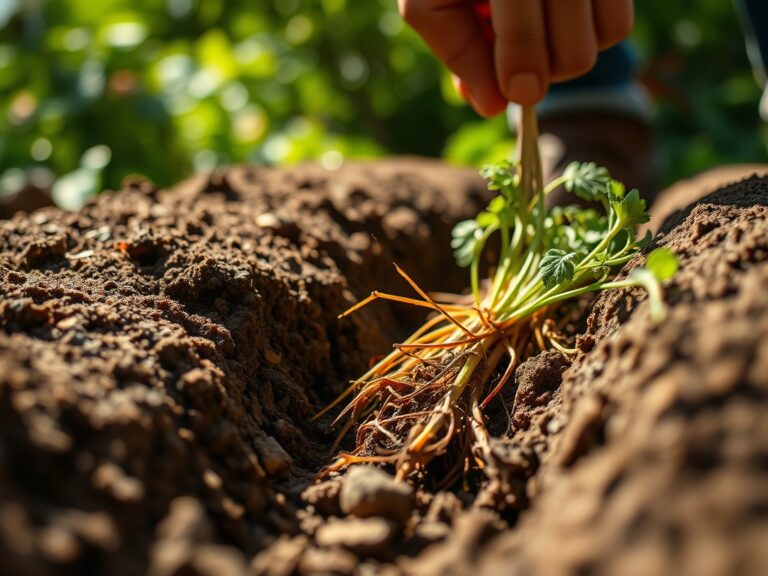
Move seedlings when they possess at least three true leaves. Dig a hole twice the width of the root ball but no deeper than the original container.
Pro-Tip: Inoculate the planting hole with mycorrhizal fungi. This symbiotic relationship increases the root surface area by up to 1,000 times, enhancing phosphorus uptake and improving the plant's ability to withstand transplant shock through better hydraulic conductance.
Establishing the Stand
During the first 24 months, the focus is on canopy development. Prune only dead or diseased fronds to maximize the photosynthetic surface area.
Pro-Tip: Avoid "hurricane pruning" or removing green fronds. This prevents auxin suppression in the apical meristem; keeping the canopy full ensures the trunk grows thick enough to support the heavy fronds required for high-grade thatch.
The Clinic:
Physiological disorders can ruin a harvest before it begins. Monitor for these three specific symptoms:
Symptom: Frizzletop (stunted, distorted new leaves).
Solution: This is a Manganese (Mn) deficiency. Apply manganese sulfate at a rate of 1 pound per 100 square feet.
Fix-It: Check soil pH immediately. If the pH is above 7.5, the manganese is unavailable to the roots regardless of how much you add. Use elemental sulfur to lower the pH.
Symptom: Yellowing of older fronds while the center remains green.
Solution: Magnesium (Mg) deficiency. The plant is translocating Mg from old growth to new growth.
Fix-It: Apply Epsom salts (magnesium sulfate) at the drip line. Ensure the K:Mg ratio is balanced to prevent nutrient antagonism.
Symptom: Necrotic leaf tips on the youngest fronds.
Solution: Boron (B) deficiency. This leads to brittle fibers that snap during the weaving process.
Fix-It: Apply a dilute solution of borax (1 tablespoon per gallon of water) once every six months. Do not over-apply, as boron toxicity is lethal.
Maintenance:
Precision irrigation is the backbone of fiber strength. Provide 1.5 inches of water per week delivered at the drip line via drip irrigation to keep the foliage dry. Use a soil moisture meter to ensure the root zone stays between 40% and 60% field capacity.
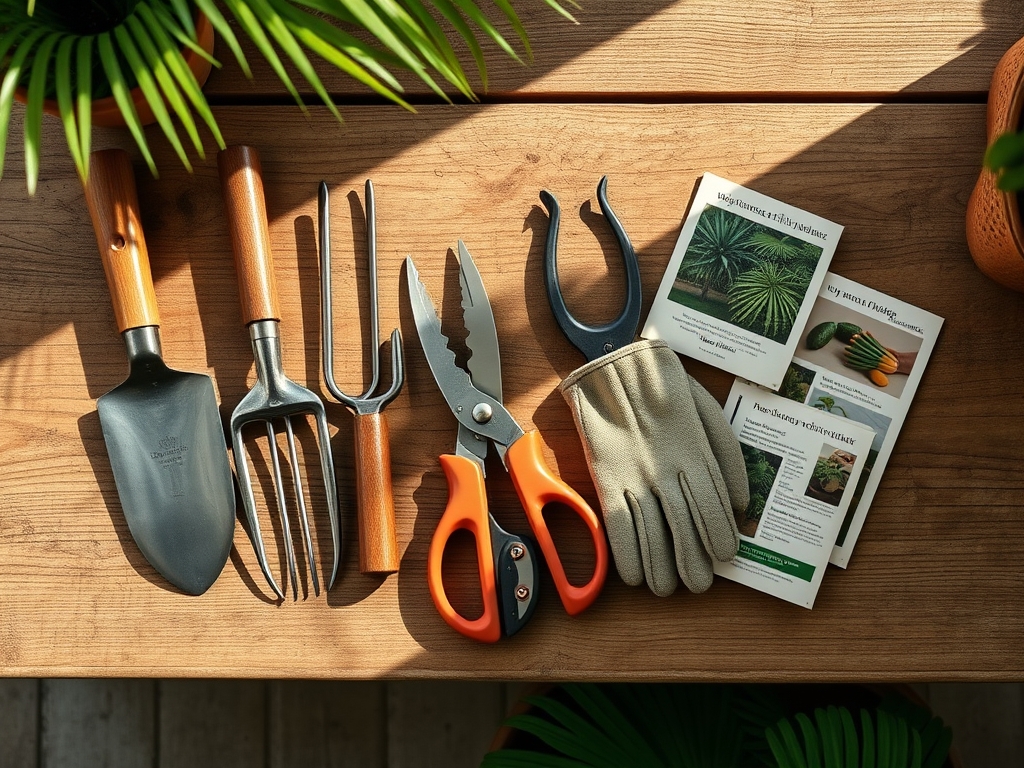
For pruning and harvesting, use professional-grade bypass pruners for smaller stems and a hori-hori knife for clearing debris around the base. When harvesting for thatch, use a sharp machete or a specialized pole saw to make a clean, 45-degree cut at the base of the petiole. This prevents "tearing" the vascular tissue, which can lead to opportunistic infections in the parent plant. Always disinfect tools with a 10 percent bleach solution between trees to prevent the spread of Fusarium wilt.
The Yield:
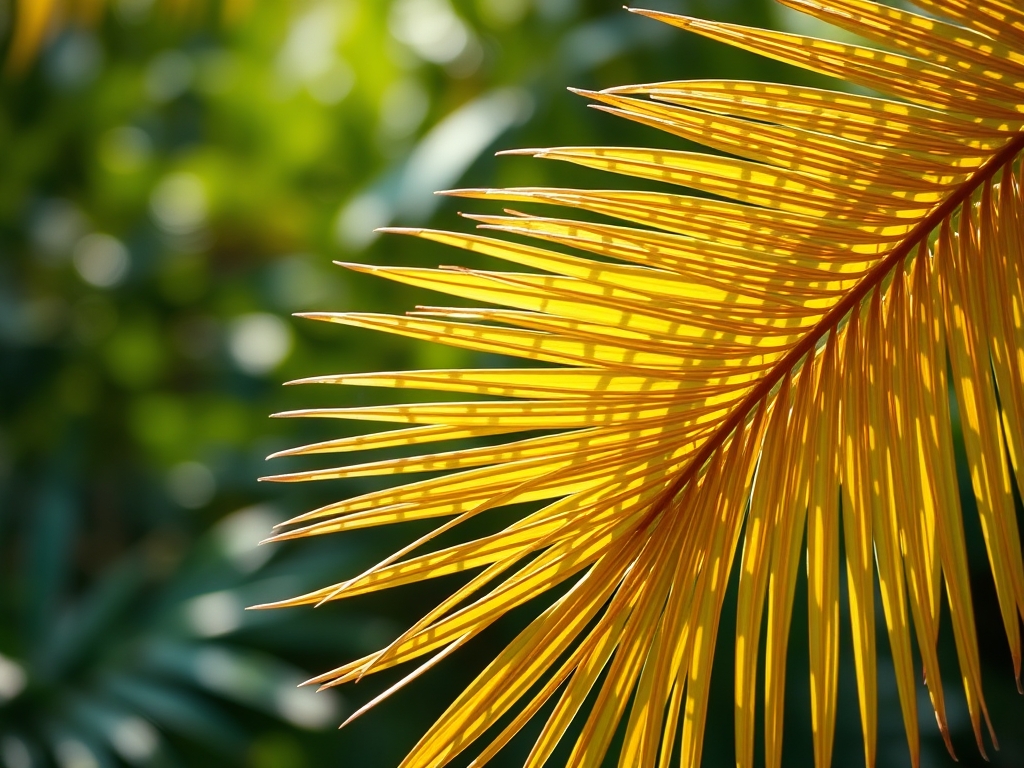
The eight best palm fronds for thatching include the Sabal Palm (Sabal palmetto), Nipa Palm (Nipa fruticans), and Mexican Fan Palm (Washingtonia robusta). Others include the Bermuda Palmetto, European Fan Palm, Coconut Palm, Date Palm, and the Thatch Palm (Thrinax radiata).
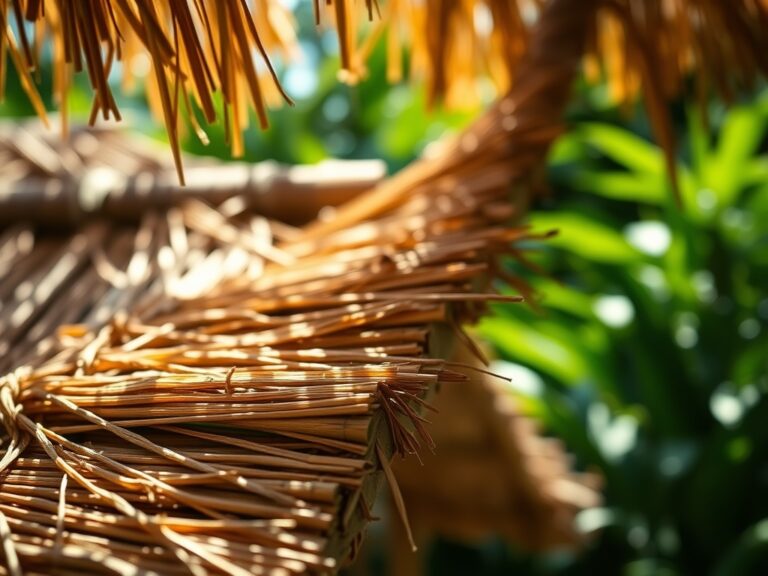
Harvest when the frond has reached full expansion but before the tips show signs of necrosis. For "day-one" freshness and maximum flexibility, soak harvested fronds in fresh water for 24 hours before weaving. This increases the elastic modulus of the fibers. Once woven, the fronds should be allowed to slow-cure in the shade. Rapid drying in direct sun causes the cuticle to shrink unevenly, leading to gaps in the thatch layer. A properly cured Sabal frond will transition from green to a silvery-tan, indicating that the lignins have stabilized.
FAQ:
Which palm is best for long-term roofing?
The Sabal Palm (Sabal palmetto) is the gold standard. Its high silica content and dense fiber structure allow it to last 10 to 15 years in humid environments when properly harvested and cured.
How do you prevent insects in thatch?
Ensure the fronds are completely cured before installation. Maintaining a tight weave limits oxygen and space for pests. Some practitioners use a topical application of borate salts to deter wood-boring insects and provide fire retardancy.
When is the best time to harvest fronds?
Harvest during the dry season when the plant's metabolic rate is lower. This ensures the fronds have a lower moisture content, which reduces the risk of fungal growth and structural warping during the drying process.
Can you use green fronds for thatching?
Yes, but they must be used immediately. Green fronds are more pliable for complex weaving. However, they will shrink as they dry, so the weave must be exceptionally tight to account for the loss of turgor.